EN
EN

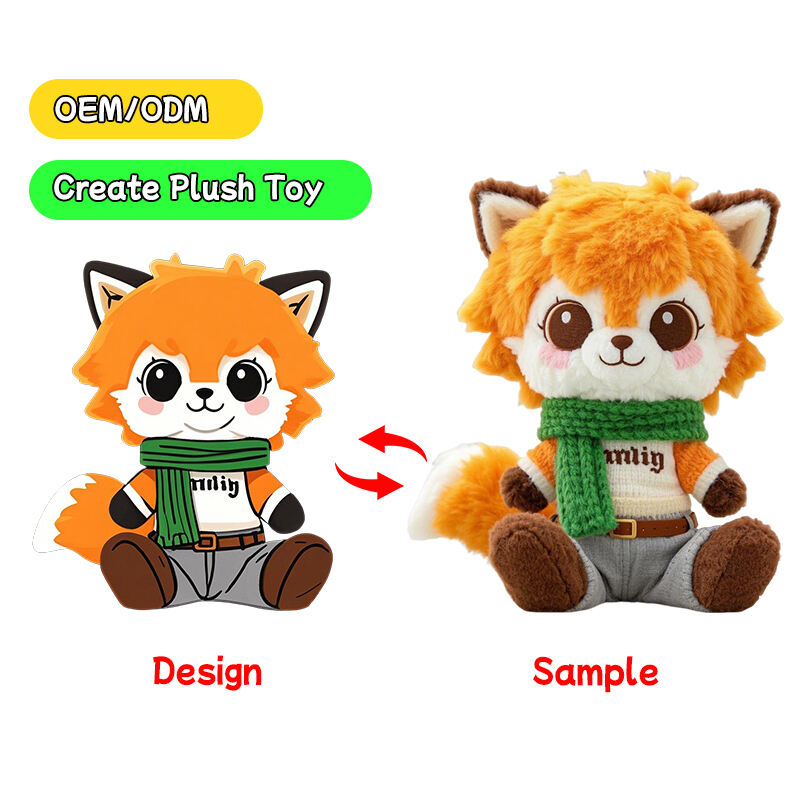
Megbízható forrás keresése egyedi plüssbabákhoz online gondosan meg kell vizsgálni a szállítók hitelességét, gyártási képességeit és az ügyfélszolgálati szabványokat. A márkás termékek, promóciós cikkek vagy kiskereskedelmi termékek iránt érdeklődő vállalkozások számára a szállító minősége és megbízhatósága közvetlenül befolyásolja a márkanevet és az ügyfél-elégedettséget. A digitális piac számos lehetőséget kínál, de a professzionális gyártók és az inkonzisztens szállítók megkülönböztetéséhez stratégiai értékelés szükséges a gyártóüzemekről, a minőségellenőrzési rendszerekről és a megrendelések teljesítésének nyomon követési rekordjairól.
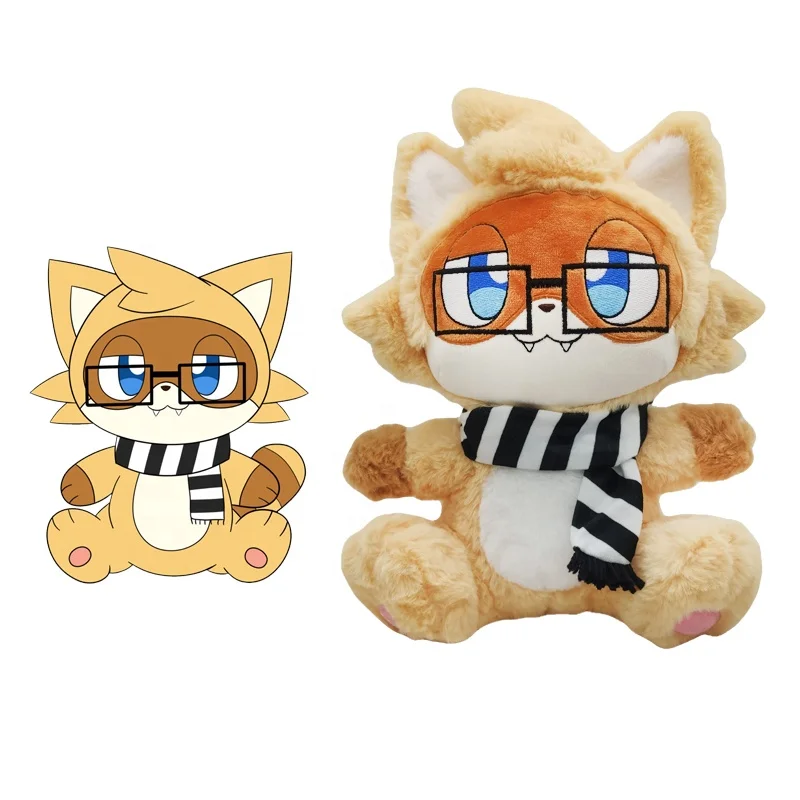
Vásárlás egyedi plüssbabák az online beszerzés a szakosított B2B-platformokon való navigálást, a gyártók weboldalainak értékelését és a kereskedelmi cégek valamint a közvetlen gyári források közötti különbségek megértését foglalja magában. A legmegbízhatóbb szállítók átlátható kommunikációt folytatnak, kimerítő egyedi gyártási lehetőségeket kínálnak, és ellenőrizhető gyártási szabványokat tartanak fenn, amelyek megfelelnek a nemzetközi biztonsági előírásoknak. Ez a cikk a konkrét beszerzési csatornákat, az értékelési szempontokat és a vásárlási stratégiákat vizsgálja, amelyek segítségével a vállalkozások megbízható online forrásokból szerezhetnek be nagy minőségű, egyedi plüssbabákat.
A jogilag megbízható szállítók azonosítása Egyedi Puha Báb Gyártók az interneten
Közvetlen gyártók és közvetítők megkülönböztetése
Az egyedi plüssbabákra specializálódott online piactér különféle üzleti modelleket foglal magában, ahol a közvetlen gyártók jelentősen előnyösebb feltételeket kínálnak a kereskedelmi cégekkel és újraeladókkal szemben. A hiteles gyártók általában részletes gyárlátogatásokkal, gépek műszaki leírásával és termelési folyamatot bemutató videókkal mutatják be gyártóüzemeiket honlapjaikon. Ezek a beszállítók átláthatóan tájékoztatnak gyártási kapacitásukról, alkalmazottak számáról és minőségellenőrzési folyamataikról, így a vásárlók ellenőrizhetik működésük jogosságát a megrendelés leadása előtt.
A gyári közvetlen források egyedi plüssbabákhoz általában versenyképesebb árképzési struktúrát kínálnak, mivel kizárják a kereskedelmi cégek által a végösszeghez hozzáadott közvetítői felárat. A lehetséges beszállítók értékelésekor a vállalkozásoknak dokumentumokat – például üzleti engedélyeket, gyári tanúsítványokat és független harmadik fél által készített auditjelentéseket – kell kérniük, amelyek igazolják a gyártási képességeket. Azok a beszállítók, akik szívesen bocsátják rendelkezésre ezt az információt, bizalmat mutatnak működésük iránt, és elköteleződnek a transzparens üzleti gyakorlatok mellett.
A jogos gyártók kommunikációs mintái jelentősen eltérnek a közvetítőkétől; a gyári képviselők általában mélyebb műszaki ismeretekkel rendelkeznek az anyagokról, a gyártási módszerekről és a termelési korlátozásokról. Pontosan tudják megbeszélni a textíliák specifikációit, a töltés sűrűségének lehetőségeit, a varrástechnikákat és a biztonsági előírásoknak való megfelelés követelményeit, ami a gyakorlati gyártási tapasztalatot tükrözi. Ez a műszaki folyékonyság megbízható jele a valódi gyártási tevékenységnek, nem pedig a megrendelés-közvetítő szolgáltatásnak.
Gyártási jogosultságok és tanúsítványok ellenőrzése
A megbízható egyedi plüssbabák gyártói rendszeresen frissített tanúsítványokkal rendelkeznek, amelyek igazolják, hogy megfelelnek az nemzetközi biztonsági szabványoknak és minőségirányítási rendszereknek. Az ISO 9001 tanúsítvány a kialakított minőségirányítási folyamatokat jelzi, míg a játékokra vonatkozó speciális biztonsági tanúsítványok – például az ASTM F963, az EN71 vagy a CE-jelölés – azt mutatják, hogy a gyártó megfelel a régióra vonatkozó biztonsági előírásoknak. Ezek a jogosítványok megerősítik, hogy a gyártó rendszeres vizsgálati protokollokat alkalmaz, és nyilvántartást vezet az anyagbeszerzésről és a gyártási folyamatokról.
Független szervezetek, például a Bureau Veritas, az SGS vagy az Intertek által készített harmadik fél általi auditjelentések független igazolást nyújtanak a gyári körülményekről, a munkaerő-gyakorlatokról és a gyártási képességekről. A megbízható gyártók örömmel megosztják a legfrissebb auditeredményeket, és átlátható kapcsolatot tartanak fenn a tanúsító szervezetekkel. Több érvényes tanúsítás egyidejű megléte arra utal, hogy a vállalat folyamatosan befektet a megfelelési infrastruktúrába, és elkötelezett a gyártási szabványok fenntartása mellett, nem pedig csupán a minimális minősítési küszöbök elérésében.
A vállalkozásoknak, amelyek egyedi plüssbabákat vásárolnak, ellenőrizniük kell a tanúsítványok autentikusságát a tanúsítványszámok összevetésével a kibocsátó szervezetek adatbázisaival, mivel hamis dokumentumok néha megjelennek az online piactereken. A jogilag megbízható beszállítók tanúsítványmásolatokat nyújtanak, amelyeken jól láthatók a érvényességi dátumok, a hatáskör meghatározásai és az akkreditációs szervre vonatkozó információk, így lehetővé válik a független ellenőrzés. Ez a gondossági kötelezettség megvédi a vásárlókat attól, hogy olyan beszállítókkal lépjenek kapcsolatba, akik hamisan tüntetik fel megfelelési státuszukat vagy gyártási képességeiket.
Online platformok értékelése egyedi plüssbabák beszerzéséhez
B2B piacterek előnyei és korlátozásai
A főbb B2B-platformok strukturált környezetet nyújtanak egyedi plüssbabák szállítójának megkereséséhez, amelyek keresőszűrőket, szállítók ellenőrzési rendszerét és tranzakciós védelmi mechanizmusokat tartalmaznak. Ezek a platformok több ezer gyártót vonnak össze, lehetővé téve a vásárlók számára, hogy összehasonlítsák a képességeket, az árképzési struktúrákat és a specializációs területeket szabványosított szállítói profilok segítségével. A megbízható platformok által alkalmazott ellenőrzési rendszerek alapvető bizonyosságot nyújtanak a vállalkozás jogilag érvényes működéséről, bár az ellenőrzés mélysége jelentősen eltér a platformok szintjei és tagsági szintjei szerint.
Platformalapú beszerzés a következőhöz: egyedi plüssbabák lehetővé teszi a vásárlók számára, hogy átnézzék a szállítók tranzakciós előzményeit, az ügyfelek értékeléseit és a válaszidőre vonatkozó mutatókat, amelyek segítenek megbízhatósági értékelést készíteni. Az arany szállítók, ellenőrzött gyártók és kereskedelmi biztosítással részt vevő szállítók általában magasabb szintű elköteleződést mutatnak a platform szabványai és az ügyfélegyedülés iránt. A vásárlóknak azonban tudniuk kell, hogy a platform általi ellenőrzés csak a vállalkozás bejegyzését igazolja, nem pedig a gyártási minőséget vagy a termelési kapacitást, ezért további, a platformon túli alapos ellenőrzésre van szükség.
A B2B-platformok korlátozása a szabványosított kommunikációs felületekben rejlik, amelyek korlátozhatják a részletes műszaki megbeszéléseket a testre szabott plüssbabák specifikációiról. A bonyolult testreszabási igények gyakran profitálnak a gyártóval való közvetlen kapcsolattartásból külön kialakított kommunikációs csatornákon keresztül, ahol a műszaki rajzokat, anyagmintákat és gyártási időkereteket külön figyelemmel kísérik. A platform üzenetküldési rendszere hatékonyan szolgál a beszállítók kezdeti azonosítására, míg a későbbi részletes tárgyalások gyakran átmennek közvetlen e-mail-közvetítésre vagy videóalapú konzultációkra a teljes projekttervezés érdekében.
Gyártó közvetlen weboldalának értékelése
A szakmai gyártók weboldalai a testreszabott plüssbabákhoz általában kimerítő termékgalériákat, részletes képességismertetőket és átlátható elérhetőségi információkat tartalmaznak, amelyek tükrözik az alaposan működő vállalkozásokat. A minőségi weboldalak sokféle projekt példáját mutatják be műszaki leírásokkal együtt, anyagtartományukat kategóriák szerint rendezett megjelenítéssel demonstrálják, és egyértelmű információkat nyújtanak a minimális rendelési mennyiségekről, szállítási határidőkről és testreszabási paraméterekről. A professzionális webes jelenlétbe történő befektetés összefüggésben áll a vállalkozás stabilitásával és az ügyfélkiszolgálás iránti elköteleződéssel.
A weboldal tartalmának minősége feltárja a gyártó szakértelmét a műszaki pontosságon, a megfelelő iparági szakszavakon és a valószerű képességleírásokon keresztül. Azok a beszállítók, akik részletes információkat nyújtanak saját egyedi plüssbabák gyártási folyamatairól, nyersanyag-forrásaikról és minőségellenőrzési eljárásaikról, bizalmat mutatnak működésük iránt, és elköteleződnek az informált ügyfélkapcsolatok iránt. Ellentétben ezzel a homályos leírások, kontextus nélküli stock fotók vagy a konkrét képességekkel kapcsolatos információk hiánya korlátozott gyártási tapasztalatra vagy közvetítői tevékenységre utalhat.
A gyártók webhelyeinek funkcionalitása betekintést nyújt a működési szakértelem szintjébe: például az online árajánlat-kérést lehetővé tevő rendszerek, a digitális katalógusok letöltése és a virtuális gyártólátogatások arra utalnak, hogy a vállalat befektetett az ügyfelek hozzáférhetőségének javításába. A reagáló kommunikációs csatornák – mint például az élő cseppbeszéd-támogatás, a külön erre a célra kialakított lekérdezési űrlapok és a nyilvánosságra hozott kapcsolattartási személyek – azt jelzik, hogy az ügyfélszolgálati infrastruktúra messze túlmutat az alapvető megrendelésfeldolgozáson. Ezek a digitális érintési pontok lehetővé teszik a beszállítók előzetes értékelését, mielőtt időt és erőforrást fordítanánk részletes tárgyalásokra a testre szabott plüssbabákra vonatkozó igényekről.
A beszállító megbízhatóságának kritikus értékelési szempontjai
Gyártási kapacitás és skálázhatóság értékelése
A szállító tényleges termelési kapacitásának megértése a következőhöz: egyedi plüssbabák megelőzi a rendelés teljesítésével kapcsolatos problémákat, és biztosítja a projekt követelményei és a gyártási képességek közötti összhangot. A megbízható gyártók átlátható információkat nyújtanak napi vagy havi termelési volumenükről, gyártósorainak számáról és a munkaerő-elosztásról, amelyek lehetővé teszik a valósághű szállítási határidők becslését. Ez az átláthatóság lehetővé teszi a vásárlók számára, hogy értékeljék, képesek-e a beszállítók kezelni a megrendelt mennyiségeket anélkül, hogy túlterhelnék erőforrásaikat vagy kompromittálnák a minőségi szabványokat.
A skálázhatóságra vonatkozó megfontolások különösen fontossá válnak azoknál a vállalkozásoknál, amelyek növekedésre vagy szezonális kereslet-ingerekre készülnek egyedi plüssbabák rendeléseiben. Azok a beszállítók, akik rugalmas gyártási ütemezéssel, fenntartott kapacitással és kialakított nyersanyag-ellátási láncokkal rendelkeznek, jobban képesek kezelni a mennyiségi növekedést arányosan nem növekvő szállítási idők mellett. Azok a gyártók, akik nyíltan tárgyalják kapacitáskorlátjaikat és szezonális termelési mintáikat, pontosabb tervezést tesznek lehetővé, mint azok, akik minden rendelést elfogadnak anélkül, hogy figyelembe vennék a működési valóságokat.
A egyedi plüssbabák gyártóinak felszerelési állománya és technológiai infrastruktúrája közvetlenül befolyásolja képességüket a bonyolult tervek végrehajtására és a termelési sorozatokon átívelően egyenletes minőség fenntartására. A modern vágógépek, számítógépes hímzőrendszerek és automatizált töltőberendezések pontosságot és hatékonyságot biztosítanak, amelyet a kézi eljárások nem tudnak felülmúlni. Azok a beszállítók, akik friss gyártástechnológiába fektetnek be, általában a minőségjavítás iránti elköteleződést és a versenyképes pozícionálást mutatják, nem pedig a költségminimalizálást elavult módszerekkel.
Minőségellenőrzési rendszerek és mintaértékelés
A kimerítő minőségellenőrzési protokollok különbséget tesznek megbízható egyedi plüssbabák szállítói és azok között, akik a sebességet helyezik előtérbe a konzisztencia helyett. A gyártóknak részletesen ismertetniük kell a vizsgálati eljárásaikat a nyersanyagok érkezésekor, a folyamatban lévő gyártási szakaszokban, valamint a szállítás előtti végleges termék-ellenőrzés során. A dokumentált ellenőrzési pontokkal ellátott többfokozatú ellenőrzési rendszerek csökkentik a hibás termékek arányát, és biztosítják, hogy a kész termékek megfeleljenek az elfogadott specifikációknak, ne pedig kizárólag a végleges ellenőrzésre támaszkodjanak, amely túl későn deríti fel a problémákat ahhoz, hogy hatékonyan javíthatók legyenek.
A mintaértékelés kritikus betekintést nyújt a tényleges gyártási minőségbe a testreszabott plüssbabák teljes gyártási sorozatának megkezdése előtt. A professzionális szállítók előgyártási mintákat kínálnak, amelyek a tervezett anyagokat, gyártási módszereket és befejező részleteket tükrözik, nem pedig kézzel készített prototípusokat, amelyek eltérnek a tömeggyártás eredményétől. A minta jóváhagyási folyamata részletes műszaki leírást is magában foglaljon, amely dokumentálja az összes megállapodott paramétert, így hivatkozási alapot teremtve a gyártás ellenőrzéséhez és – amennyiben minőségi problémák merülnének fel – vita-elintézéshez.
A gyártók hajlandósága arra, hogy elfogadják az ésszerű módosítási kéréseket a minták fejlesztése során, a vevőorientált megközelítésre és a gyártási rugalmasságra utal. Azok a beszállítók, akik ellenállnak a kisebb módosításoknak vagy túlzottan magas díjakat számítanak fel a módosításokért, gyakran inflexibilis megközelítést mutatnak, amely problémákat okozhat a főgyártás során. Ezzel szemben azok a gyártók, akik együttműködnek a kívánt eredmények elérésében az ismétlődő finomhangolás révén, elköteleződésüket mutatják a vevői elégedettség iránt, valamint bizalmukat saját képességük iránt, hogy módosításokat hajtsanak végre anélkül, hogy a gyártási hatékonyságot veszélyeztetnék.
Egyéni igények és műszaki specifikációk kezelése
Anyag kiválasztása és biztonsági megfelelés
A testből készült plüssbabákhoz elérhető anyagválasztékok jelentősen befolyásolják a termék minőségét, biztonsági előírásoknak való megfelelést és a költségstruktúrát. Megbízható beszállítók kiterjedt anyagkönyvtárat tartanak fenn, amely különféle plüssfelületeket, minky anyagokat, pamutkeverékeket és speciális anyagokat foglal magában különböző szálhosszúsággal és sűrűséggel. Anyagmintákat nyújtanak kérésre, és műszaki adatlapokat is biztosítanak, amelyek tartalmazzák az összetétel százalékos arányát, a lángállósági osztályozást és a színállósági vizsgálatok eredményeit – ezek segítenek a választás meghozatalában a tervezett felhasználási cél és a célpiacon alapuló döntéshozatal során.
A szokásos plüssbabák biztonsági előírásainak betartása a töltőanyagokra, alkatrészek rögzítésére és festékanyagokra irányuló figyelmet igényel, amelyeknek meg kell felelniük az Észak-Amerikában, Európában és Ausztráliában érvényes szigorú szabályozásoknak. A szakmai gyártók tanúsított anyagokat használnak, amelyekhez dokumentáció is tartozik a vonatkozó szabványokkal való megfelelés igazolására, és rendszeresen tesztelnek akkreditált laboratóriumokban. Ismerik az életkor-szerinti besorolási követelményeket, a kis alkatrészekre vonatkozó előírásokat és a vegyi anyagokra vonatkozó korlátozási listákat, amelyek a játékbiztonságot szabályozzák a különböző joghatóságokban.
A szokásos plüss babák töltőanyagai befolyásolják a tapintási minőséget és a biztonsági teljesítményt is, a poliészter rosttöltőanyagtól kezdve a speciális, hipotenziós alternatívákig. A beszállítóknak el kell magyarázniuk a sűrűségválasztékokat, az állóképesség jellemzőit, valamint azt, hogy a töltőanyag-választás hogyan hat a végső termék puhaságára, alakmegőrzésére és moshatóságára. A prémium gyártók többféle töltőanyag-minőséget kínálnak, és képesek megfelelni az adott sűrűség-igényeknek, így elérhetők a különböző termékalkalmazásokhoz szükséges esztétikai és funkcionális eredmények.
Tervezés lefordítása és gyártási megvalósíthatóság
A fogalmi tervek gyártásra alkalmas, egyedi plüssbabákra történő lefordítása műszaki szakértelmet igényel, amelyet a megbízható beszállítók a tervezési tanácsadási folyamataikon keresztül mutatnak be. A szakmai gyártók képzett mintakészítőket alkalmaznak, akik értelmezni tudják a vázlatokat, a digitális terveket vagy a referenciaképeket, és visszajelzést adnak a megvalósíthatóságról, ajánlott módosításokról és gyártási szempontokról. Ez a műszaki partnerség hozzájárul a tervek gyártási hatékonyság szempontjából történő optimalizálásához, miközben megőrzi a kreatív látomást és a márkaidentitás elemeit.
A testreszabott plüssbabák tervezési fejlesztési folyamata során részletes megbeszélésekre van szükség a mérethatározásról, az arányosság pontosságáról, az arcjegyek kivitelezéséről és a végtagok rögzítési módjairól. Tapasztalt gyártók elmagyarázzák, hogyan befolyásolják a különböző gyártási megközelítések a tartósságot, a gyártási költségeket és a vizuális eredményt, így lehetővé teszik a tervezési részletekkel kapcsolatos megbízható döntéshozatalt. Digitális maketteket vagy kézzel rajzolt műszaki specifikációkat készítenek, amelyek megerősítik a közös megértést a minta-fejlesztés megkezdése előtt, csökkentve ezzel a módosítási ciklusok számát és gyorsítva a projekt időkeretét.
Összetett tervezési elemek – például finom hímzés, többszínű átmenetek vagy mozgatható végtagok – speciális képességeket igényelnek, amelyekkel nem minden egyedi plüssbabát gyártó cég rendelkezik. A megbízható szállítók őszintén értékelik saját technikai korlátaikat, és alternatív megoldásokat javasolnak, ha a kívánt funkciók meghaladják felszerelésük képességeit vagy minőségi szabványaikat. Ez a nyílt kommunikáció megakadályozza a csalódást okozó eredményeket, és valósághű elvárásokat alakít ki a megvalósítható tervezési pontosságról a költségvetési korlátok és a gyártási határidők figyelembevételével.
Stratégiai beszerzési gyakorlatok online rendeléseknél
Minimális rendelési mennyiségek és árképzési struktúrák
A minimális rendelési mennyiség (MOQ) követelményeinek megértése segít a vállalkozásoknak olyan egyedi plüssbabák gyártóját megtalálni, akiknek termelési gazdaságossága összhangban van a vásárlási mennyiségekkel. A gyártók általában közvetlenül a gyárból állapítják meg az MOQ-kat, amelyek tükrözik a gazdaságos termelési sorozatok méretét, a mintatervezési költségeket és az alapanyag-beszerzés minimális mennyiségi követelményeit. Ezek a küszöbértékek jelentősen eltérnek a tervezés összetettségétől függően: egyszerű, egy színű dizájnok esetében gyakran alacsonyabb az MOQ, mint több anyagból készült, bonyolult hímzéssel vagy nyomtatott részletekkel ellátott konstrukciók esetében.
Az egyedi plüssbabák árképzési struktúrája tükrözi a különféle költségkomponenseket, ideértve az anyagköltségeket, a munkaerő-allokációt, a szerszámozási beruházásokat és a csomagolási specifikációkat. A megbízható beszállítók részletes árajánlati bontást nyújtanak, amelyekben ezeket az elemeket felsorolják, így a vásárlók megérthetik a költségek meghatározó tényezőit, és azonosíthatják a potenciális optimalizációs lehetőségeket. A nyílt árképzési tárgyalások feltárják, hol vezethetnek jelentős megtakarításhoz a tervezési módosítások, az anyagcserék vagy a mennyiségi igazítások anélkül, hogy kompromisszumot kötnének az alapvető minőségi jellemzőkkel vagy a márkakövetelményekkel.
A mennyiségi alapú árképzési szintek ösztönzik a nagyobb rendeléseket az egységárak csökkentésével, amelyek tükrözik a gyártási hatékonyságot a méretnövekedéssel együtt. Azok a vállalkozások, amelyek folyamatos, egyedi plüssbabák gyártását tervezik, jól járnak, ha megértik ezeket az árképzési küszöböket, és úgy strukturálják kezdeti rendeléseiket, hogy piaci visszajelzést kapjanak, miközben előre tervezik a későbbi, nagyobb mennyiségű beszerzéseket, amelyek jobb egységköltségeket biztosítanak. A haladó szállítók rugalmas megállapodásokat kínálnak, amelyek lehetővé teszik a fázisokba szervezett rendelési megközelítést, így a vállalkozások képesek kezelni a készletkockázatot, miközben építik szállítóikkal való kapcsolataikat.
Fizetési feltételek és tranzakciós biztonság
A egyedi plüssbabák rendeléseire vonatkozó fizetési feltételeknek egyensúlyt kell teremteniük a szállító biztonsági igényei és a vevő védelme között a minőségi hiányosságok vagy a szállítási problémák esetén. A szokásos nemzetközi kereskedelmi gyakorlat általában 30–50 százalékos előlegfizetést ír elő a megrendelés megerősítésekor, míg a fennmaradó összeget a szállítás előtt vagy a szállítás ellenőrzését követően kell kifizetni. Ezek a fizetési struktúrák védelmet nyújtanak a szállító anyagbefektetéseire és gyártási kötelezettségeire, ugyanakkor lehetővé teszik a vevők számára, hogy minőségi garanciát szerezzenek a végösszeg kifizetésének befejezése előtt.
A B2B-platformokon elérhető tranzakcióbiztonsági mechanizmusok közé tartoznak az elszámítási szolgáltatások, a kereskedelmi biztosítási programok és a hitellevél-szerződések, amelyek csökkentik mindkét fél pénzügyi kockázatát. Ezek az eszközök jogorvoslattal járó lehetőségeket nyújtanak vitás esetekben – például termékminőséggel, műszaki specifikációknak való megfeleléssel vagy szállítási határidőkkel kapcsolatban. Az egyedi plüssbabák első vásárlói különösen profitálnak ezekből a védelmi mechanizmusokból addig, amíg a beszállítóval való kapcsolat nem ér el olyan érettséget, amelyet sikeres tranzakciótörténetek alapoznak meg, és amelyek kölcsönös bizalmat és teljesítési megbízhatóságot eredményeznek.
A nemzetközi szokásos plüssbabák beszerzéséhez szükséges dokumentációs követelmények közé tartoznak a részletes megrendelések, jóváhagyott mintahivatkozások, minőségelfogadási kritériumok és szállítási utasítások, amelyek egyértelmű szerződési alapot teremtenek. A professzionális szállítók átfogó megrendelés-igazolásokat bocsátanak ki, amelyek írásban ismételten rögzítik az összes műszaki specifikációt, az árképzési feltételeket, a gyártási időkereteket és a fizetési ütemterveket. Ez a dokumentációs fegyelem megelőzi a félreértéseket, és hivatkozási alapot nyújt a gyártás ellenőrzéséhez és esetleges teljesítési problémák esetén a vitás kérdések rendezéséhez.
Logisztikai tervezés és szállítási koordináció
Az egyedi plüssbabák szállításának rendezése jelentősen befolyásolja a teljes beérkezési költségeket és a szállítás megbízhatóságát, ezért gondosan meg kell vizsgálni a szállítási módokat, a csomagolási módszereket és az egyéni vámkezelési eljárásokat. A megbízható beszállítók iránymutatást nyújtanak a szállítási lehetőségekről, például expressz futárszolgálatot ajánlanak mintamintákhoz, légi szállítást sürgős gyártási rendelésekhez, valamint tengeri szállítást nagy mennyiségű szállítmány esetén, amikor a költséghatékonyság fontosabb a sebességnél. Pontos térfogatsúly-számításokat és csomagolási specifikációkat biztosítanak, amelyek lehetővé teszik a pontos fuvarozási költségbecslést a költségvetési tervezés során.
Az egyedi plüssbabák csomagolási specifikációi hatással vannak a termék szállítás közbeni védelmére és a megrendelő számára történő bemutatására érkezéskor. A beszállítóknak meg kell beszélniük a belső csomagolási lehetőségeket, például poliethilén zsákokat, fejléc-kártyákat vagy egyedi dobozokat, valamint a külső kartondobozok specifikációit, amelyek biztosítják az elegendő nyomásállóságot és nedvességvédelmet. A professzionális gyártók ismerik a szállítási hatékonyság érdekében szükséges méretbeli optimalizációt, és olyan csomagolási konfigurációkat tudnak javasolni, amelyek minimalizálják a szállítási költségeket, miközben fenntartják a termék integritását az egész nemzetközi szállítási láncban.
A vámhatósági dokumentáció és a megfelelőség-kezelés figyelmet igényel a harmonizált vámtarifaosztályozások, a származási ország megjelölése, valamint az egyedi plüssbabákra vonatkozó importvám-következmények tekintetében. Tapasztalt beszállítók segítenek a vevőknek a pontos kereskedelmi számlák elkészítésében, biztosítják a szükséges eredetiségigazolásokat, és gondoskodnak arról, hogy a biztonsági megfelelőségre vonatkozó dokumentumok elkísérjék a szállítmányokat, így elkerülhetők a vámhatósági engedélyezési késedelmek. Ez a logisztikai támogatás csökkenti a közigazgatási terheket, és segít a vevőknek elkerülni a váratlan költségeket vagy szabályozási problémákat az importfolyamat során.
GYIK
Milyen minimális rendelési mennyiséget kell elvárnom az egyedi plüssbabák online vásárlása esetén?
Az egyedi plüssbabákra vonatkozó minimális rendelési mennyiségek általában 300 és 1000 darab között mozognak darabonként, a bonyolultságtól és a gyártó vállalatok szabályzataitól függően. Az egyszerű, egy színű tervek esetleg alacsonyabb minimális mennyiséget igényelnek, körülbelül 300–500 darabot, míg az összetett, több anyagból készült konstrukciók, amelyek részletes hímzést is tartalmaznak, gyakran 1000 darabot vagy többet igényelnek a szerszámozási beruházások indoklásához és a gazdaságos gyártási költségek eléréséhez. Egyes gyártók rugalmas minimális rendelési mennyiségi (MOQ) megállapodásokat kínálnak próbarendelésekre, illetve lehetővé teszik tervezési változatok alkalmazását a teljes mennyiségi kötelezettség keretein belül, így több karakterverzió vagy méretválaszték is elférhet egyetlen gyártási ciklusban.
Mennyi ideig tart általában az egyedi plüssbabák gyártása?
A szokásos gyártási határidők egyedi plüssbabák esetében a minta jóváhagyása és az előleg befizetése után 30–60 napot tesznek ki; a pontos időtartam az rendelés mennyiségétől, a tervezés összetettségétől és a gyártó termelési ütemezésétől függ. Ez az időkeret magában foglalja a mintatervezést, az anyagbeszerzést, a kivágást és a varrást, a minőségellenőrzést, valamint a végleges csomagolást. Gyorsított gyártási lehetőségek is elérhetők prémium díj ellenében, amelyekkel a határidő 20–25 napra csökkenthető, bár ez a gyorsítás általában rugalmasabb tervezési paramétereket és a jelenlegi anyagkészlet felhasználását igényli, nem pedig egyedi színegyeztetést. A szezonális tényezők jelentősen befolyásolják a lead time-ot, így a ünnepi időszak előtti időszakban gyakran meghosszabbodnak a gyártási ütemtervek az iparágban uralkodó gyári kapacitáskorlátozások miatt.
Milyen tanúsítványokat érdemes ellenőrizni a kiskereskedelmi értékesítésre szánt egyedi plüssbabák megrendelése előtt?
A kiskereskedelmi piacokra szánt egyedi plüssbabák számára elengedhetetlen tanúsítások közé tartozik az ASTM F963 szabvány az Egyesült Államokban történő forgalmazáshoz, az EN71 szabvány a európai piacokhoz, valamint az AS/NZS ISO 8124 szabvány Ausztráliához és Új-Zélandhoz. Ezek a játékbiztonsági szabványok mechanikai veszélyekkel, gyúlékonysággal és vegyi összetételre vonatkozó korlátozásokkal foglalkoznak, amelyek a végfelhasználók – különösen a gyermekek – védelmét szolgálják. Emellett ellenőrizze, hogy a gyártók rendelkeznek-e érvényes ISO 9001 minőségirányítási tanúsítvánnyal, és képesek-e hitelesített laboratóriumok által készített vizsgálati jelentéseket szolgáltatni, amelyek igazolják a konkrét piaci követelményeknek való megfelelést. Három év alatti kisgyermekek számára szánt termékek esetében győződjön meg arról, hogy a tervek megfelelnek a kis alkatrészekre vonatkozó előírásoknak, és hogy a beszállítók megfelelő életkor-szerinti besorolást végeznek a termék tervezett használati módja alapján.
Rendelhetek egyedi plüssbabákat ugyanabból a tervből több méretben is?
A legtöbb gyártó több méretváltozatú egyedi plüssbabát is elfogad egyetlen megrendelésben, bár minden méret általában külön minta-fejlesztést igényel, és hozzájárulhat az összesített minimális rendelési mennyiség követelményeihez. A gyakorlatban általában egy fő méretet állapítanak meg az első minták elkészítéséhez és a gyártáshoz, majd a tervezés jóváhagyása után arányosan skálázzák a mintát további méretekhez. A méretváltozatok különbözően befolyásolják az anyagfelhasználást és a munkaerő-allokációt, ezért az egységár általában eltér a mérettartományok között, a nagyobb változatok ára magasabb, mivel több anyagra van szükség. A mérettartományok szándékát érdemes már a kezdeti beszállítói konzultációk során megbeszélni, hogy a megadott árajánlatok pontosan tükrözzék a teljes gyártási környezetet és a mintafejlesztésbe történő beruházásokat az összes szándékolt méretváltozat esetében.
Tartalomjegyzék
- A jogilag megbízható szállítók azonosítása Egyedi Puha Báb Gyártók az interneten
- Online platformok értékelése egyedi plüssbabák beszerzéséhez
- A beszállító megbízhatóságának kritikus értékelési szempontjai
- Egyéni igények és műszaki specifikációk kezelése
- Stratégiai beszerzési gyakorlatok online rendeléseknél
-
GYIK
- Milyen minimális rendelési mennyiséget kell elvárnom az egyedi plüssbabák online vásárlása esetén?
- Mennyi ideig tart általában az egyedi plüssbabák gyártása?
- Milyen tanúsítványokat érdemes ellenőrizni a kiskereskedelmi értékesítésre szánt egyedi plüssbabák megrendelése előtt?
- Rendelhetek egyedi plüssbabákat ugyanabból a tervből több méretben is?