EN
EN
Tworzenie niestandardowej pluszowej zabawki w kształcie zwierzęcia ożywia wyobrażone postacie dzięki starannie zaplanowanemu procesowi produkcyjnemu, który łączy artystyczną wizję z precyzją techniczną. Droga od pierwotnego pomysłu do gotowego produktu obejmuje wiele specjalistycznych etapów, z których każdy wymaga określonej wiedzy fachowej oraz szczególnej uwagi na detale. Zrozumienie tego skomplikowanego procesu pozwala klientom docenić rzemiosło związane z produkcją spersonalizowanych pluszowych zabawek, które oddają unikalne elementy projektu oraz emocjonalne powiązania. Niezależnie od tego, czy opracowywany jest prototyp do celów komercyjnych, czy też tworzona jest jedyna w swoim rodzaju pamiątka, proces produkcji niestandardowych pluszowych zabawek w kształcie zwierząt opiera się na ustanowionych w branży procedurach, zachowując przy tym elastyczność niezbędną do spełnienia indywidualnych wymagań dotyczących personalizacji.
Początkowa koncepcja projektu i planowanie
Tworzenie grafiki i projektowanie postaci
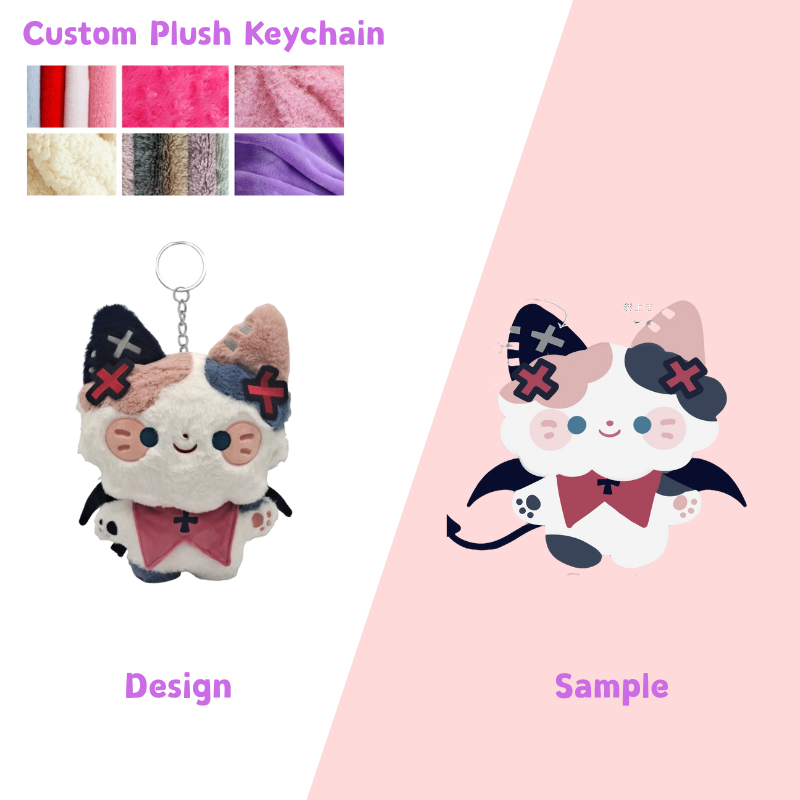
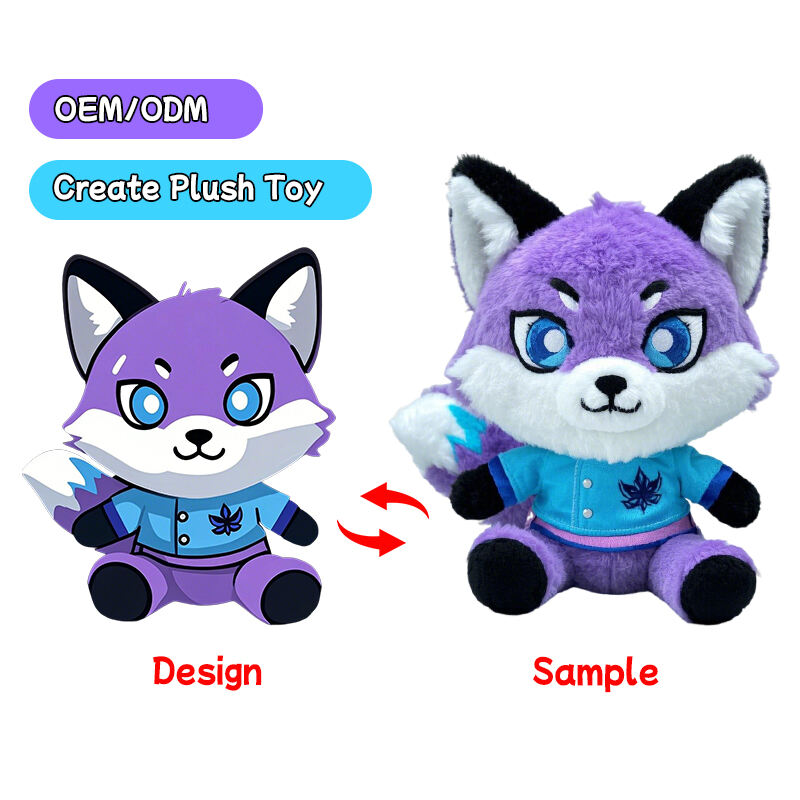
Proces tworzenia niestandardowych pluszowych zwierząt rozpoczyna się od kompleksowego opracowania grafiki, w ramach którego projektanci przekształcają wizje klientów w szczegółowe specyfikacje techniczne. Profesjonalni ilustratorzy współpracują blisko z klientami, aby oddać istotne cechy postaci, cechy charakteru oraz unikalne elementy projektowe definiujące zamierzony pluszowy zabawek. Ta współpraca obejmuje wiele etapów iteracji projektowych, dobór palety kolorów oraz dostosowanie proporcji, aby zapewnić, że końcowy projekt spełnia zarówno oczekiwania estetyczne, jak i wymagania dotyczące wykonalności produkcyjnej.
Zespoły projektowe wykorzystują oprogramowanie specjalistyczne do tworzenia szczegółowych rysunków technicznych, które stanowią plany referencyjne dla kolejnych etapów produkcji. Te cyfrowe wizualizacje zawierają precyzyjne pomiary, specyfikacje materiałów, szczegóły konstrukcyjne oraz instrukcje montażu kierujące zespołami produkcyjnymi na każdym etapie procesu. Dopasowanie kolorów staje się szczególnie istotne na tym etapie, ponieważ projektanci muszą uwzględnić dostępność materiałów, spójność barwników oraz atrakcyjny wygląd w różnych warunkach oświetlenia.
Dobór i pozyskiwanie materiałów
Wybór odpowiednich materiałów stanowi kluczowy punkt decyzyjny, który bezpośrednio wpływa na jakość, trwałość i bezpieczeństwo gotowego pluszowego zwierzaka. Wybór tkanin obejmuje zarówno tradycyjny polar poliestrowy, jak i wysokiej jakości bawełnę organiczną, a każdy materiał oferuje wyjątkowe zalety pod względem tekstury, trwałości koloru i kompatybilności produkcyjnej. Kwestie bezpieczeństwa stają się kluczowe przy wyborze materiałów wypełniających, rodzajów nici i elementów dekoracyjnych, które spełniają międzynarodowe normy bezpieczeństwa zabawek.
Zespoły zakupowe koordynują współpracę z globalnymi dostawcami w celu zakupu materiałów wysokiej jakości, które odpowiadają specyfikacjom projektowym i ograniczeniom budżetowym. Proces ten obejmuje rygorystyczne testy jakości, weryfikację zgodności oraz zarządzanie łańcuchem dostaw, aby zapewnić stałą dostępność materiałów w całym cyklu produkcji. Praktyki zrównoważonego pozyskiwania materiałów coraz bardziej wpływają na decyzje dotyczące wyboru materiałów, ponieważ producenci reagują na rosnącą świadomość ekologiczną konsumentów.
Tworzenie wzorów i prototypowanie
Rozwój technicznego wzoru
Tworzenie wzoru przekształca dwuwymiarowe projekty w trójwymiarowe szablony konstrukcyjne, które określają podstawę strukturalną każdego niestandardowego pluszowego zwierzątka. Doświadczeni twórzy wielu wzorów analizują specyfikacje projektu, aby opracować wzory cięcia optymalizujące wykorzystanie materiału przy jednoczesnym zachowaniu odpowiednich proporcji i integralności konstrukcyjnej. Ten proces techniczny wymaga dogłębnej wiedzy na temat zachowania się materiałów, zapasów na szwy oraz kolejności montażu, co gwarantuje pomyślne rezultaty produkcji.
Oprogramowanie do cyfrowego tworzenia wzorów umożliwia precyzyjne tworzenie szablonów z wbudowanymi zapasami na szwy, systemami nacinania oraz wytycznymi montażowymi, które ułatwiają kolejne operacje cięcia i szycia. Twórcy wzorów muszą uwzględnić cechy rozciągliwości materiału, wymagania dotyczące kierunku włókien oraz złożoność montażu przy opracowywaniu szablonów, które zapewniają równowagę między wydajnością produkcji a wiernością projektu. W trakcie tej fazy często występuje wiele wersji wzorów, gdy zespoły dopracowują szczegóły konstrukcyjne i optymalizują przepływy produkcyjne.
Konstrukcja prototypu i testowanie
Opracowanie prototypu zapewnia namacalną weryfikację koncepcji projektowych i metod konstrukcyjnych przed przystąpieniem do pełnoskalowej produkcji. Wykwalifikowani wykonawcy próbek ręcznie montują początkowe prototypy, wykorzystując ostateczne wzory i wybrane materiały, aby ocenić dokładność projektu, wykonalność konstrukcji oraz ogólny urokliwy wygląd. Ten kluczowy etap oceny pozwala zidentyfikować potencjalne problemy związane z proporcjami, kolejnością montażu lub zgodnością materiałów, które należy rozwiązać przed rozpoczęciem produkcji.
Testowanie prototypu obejmuje zarówno ocenę wizualną, jak i funkcjonalną, aby zapewnić, że niestandardowa pluszowa zabawka w kształcie zwierzęcia spełnia wymagania jakościowe i bezpieczeństwa. Protokoły testowe obejmują analizę wytrzymałości szwów, ocenę odporności barwników materiału oraz weryfikację zgodności z przepisami bezpieczeństwa zgodnie z obowiązującymi międzynarodowymi standardami. Zatwierdzenie przez klienta próbek prototypowych stanowi ostateczne upoważnienie do przejścia do faz produkcji masowej, co czyni ten proces zatwierdzania kluczowym kamieniem milowym w harmonogramie projektu.
Wytwarzanie i wdrożenie produkcji
Operacje cięcia i kontrola jakości
Operacje produkcyjne rozpoczynają się od precyzyjnych procesów cięcia, które przekształcają surowe materiały w elementy składowe gotowe do montażu. Przemysłowe urządzenia tnące zapewniają stałe wymiary poszczególnych części oraz czyste krawędzie, ułatwiające efektywne operacje szycia. Pracownicy ds. kontroli jakości sprawdzają wycięte elementy pod kątem zgodności z wzorem, jakości materiału oraz spójności wymiarowej przed przekazaniem materiałów zespołom montażowym.
Zautomatyzowane systemy cięcia maksymalizują wykorzystanie materiału, zachowując jednocześnie precyzję cięcia niezbędną do profesjonalnej produkcji niestandardowych pluszowych zwierząt. Operatorzy strategicznie układają elementy wzoru, aby zminimalizować odpady materiału, zapewniając przy tym prawidłowy kierunek włókien oraz zgodność kolorów. Każda partia cięcia podlega szczegółowej kontroli w celu wykrycia i wyeliminowania wadliwych elementów, które mogłyby zagrozić jakością końcowego produktu.
Procesy montażu i konstrukcji
Wykwalifikowane krawieckie wykonują złożone sekwencje montażu, które ożywiają niestandardowe projekty pluszowych zwierząt dzięki precyzyjnym operacjom szycia. Każdy etap konstrukcji przebiega zgodnie z ustalonymi instrukcjami montażu, określającymi rodzaje szwów, parametry szycia oraz punkty kontrolne jakości w całym procesie produkcyjnym. Specjalistyczne maszyny do szycia radzą sobie z różnymi rodzajami materiałów i wyzwaniami konstrukcyjnymi, zapewniając przy tym stałą jakość szwów w całej serii produkcyjnej.
Zespoły montażowe koordynują wiele etapów montażu, w tym budowę tułowia, mocowanie kończyn, nanoszenie cech twarzowych oraz końcowe napełnianie. Inspektorzy kontroli jakości monitorują każdy etap produkcji, aby zapewnić zgodność z wymaganiami technicznymi oraz wykryć potencjalne problemy jeszcze przed ich wpływem na kolejne operacje. Metodyczne podejście do montażu gwarantuje, że każdy płaszcz zwierzęcy na zamówienie spełnia ustalone standardy jakości oraz oczekiwania klientów.
Dorabianie i zapewnienie jakości
Końcowy montaż i inspekcja
Operacje montażu końcowego integrują wszystkie elementy składowe, aby ukończyć proces produkcji niestandardowych pluszowych zwierząt. Doświadczeni montażyści przyłączają kończyny, wkładają materiały wypełniające, zamykają szwy oraz nanoszą szczegółowe elementy wykończeniowe, dzięki którym postacie ożywają. Ta szczegółowa praca wymaga wyjątkowej uwagi poświęconej proporcjom, symetrii oraz jakości wykonania, które odróżniają produkty profesjonalne od masowo produkowanych alternatyw.
Kompleksowe procedury inspekcyjne oceniają każdy aspekt gotowych produktów, w tym integralność szwów, rozkład materiału wypełniającego, wyrównanie cech twarzy oraz ogólną jakość wyglądu. Zespoły zapewnienia jakości korzystają z szczegółowych list kontrolnych obejmujących zgodność z wymaganiami bezpieczeństwa, specyfikacjami konstrukcyjnymi oraz standardami estetycznymi ustalonymi na wczesnym etapie projektowania. Produkty produkty nie spełniające kryteriów inspekcyjnych podlegają działaniom korekcyjnym lub zastąpieniu, w zależności od charakteru i stopnia powagi stwierdzonych usterek.
Opakowanie i przygotowanie do dostawy
Profesjonalne opakowanie chroni niestandardowe pluszowe zabawki w kształcie zwierząt podczas transportu, jednocześnie prezentując gotowe produkty w atrakcyjny sposób, który zwiększa satysfakcję klientów. Projekt opakowania uwzględnia wymiary produktu, wymagania dotyczące ochrony oraz estetykę prezentacji, odzwierciedlającą wysoką jakość charakterystyczną dla produkcji niestandardowej. Specjalistyczne materiały opakowaniowe zapewniają zachowanie kształtu i wyglądu produktu na wszystkich etapach dystrybucji.
Przygotowanie do wysyłki obejmuje końcową weryfikację jakości, zastosowanie ochronnego opakowania oraz uzupełnienie dokumentacji wymaganej do realizacji zamówienia. Każda niestandardowa pluszowa zabawka w kształcie zwierzęcia podlega indywidualnej kontroli przed zapakowaniem, aby zagwarantować zgodność produktu ze wskazanymi standardami jakości. Systemy śledzenia monitorują status zamówienia na każdym etapie realizacji, zapewniając klientom dokładne informacje o terminie doręczenia oraz utrzymując przejrzystość komunikacji.
Opcje personalizacji i funkcje spersonalizowania
Warianty kolorów i wybory materiałów
Możliwości personalizacji pozwalają klientom dostosować każdy aspekt swojej niestandardowej pluszowej zwierzaczki dzięki szerokiemu wyborowi kolorów i materiałów. Profesjonalne usługi dopasowywania kolorów zapewniają dokładne odtworzenie określonych wymagań barwnych przy jednoczesnym zachowaniu spójności w ramach poszczególnych partii produkcyjnych. Biblioteki materiałów obejmują różne tekstury, wzory oraz materiały specjalistyczne, które odpowiadają różnorodnym preferencjom projektowym i wymogom funkcjonalnym.
Zaawansowana personalizacja obejmuje również zastosowania wielomaterialowe, w których połączenie różnych typów tkanin tworzy wyjątkowe kontrasty teksturalne i wizualny interes. Projektanci współpracują z klientami, aby eksplorować innowacyjne kombinacje materiałów, które wzmocniają charakter postaci, zachowując przy tym możliwość ich produkcji przemysłowej. Dzięki rozszerzonym opcjom możliwe jest stworzenie naprawdę wyjątkowych, niestandardowych pluszowych zwierzaczek, które odzwierciedlają indywidualne preferencje oraz twórcze wizje.
Opcje rozmiarów i skalowanie wymiarów
Elastyczność rozmiarów pozwala dostosować się do różnych zastosowań i preferencji dzięki skalowalnym możliwościom produkcji, które zachowują proporcje projektu w różnych wymiarach. Systemy produkcyjne adaptują szablony wzorów, aby wytwarzać niestandardowe pluszowe zabawki w kształcie zwierząt – od miniatur kolekcjonerskich po duże elementy wystawowe. Ta skalowalność zapewnia stałą wierność projektu niezależnie od końcowych wymiarów produktu.
Dostosowanie wymiarów uwzględnia zarówno preferencje estetyczne, jak i wymagania funkcjonalne przy określaniu optymalnych parametrów rozmiaru. Większe niestandardowe pluszowe zabawki w kształcie zwierząt wymagają dodatkowego wsparcia konstrukcyjnego oraz zmodyfikowanych technik wykonywania, aby zachować integralność kształtu i trwałość. Aspekty inżynieryjne uwzględniają wymagania dotyczące rozmiaru oraz ograniczenia produkcyjne, zapewniając produkty spełniające oczekiwania co do wydajności we wszystkich specyfikacjach wymiarowych.
Uwagi dotyczące harmonogramu i planowania produkcji
Planowanie projektu oraz zarządzanie etapami
Skuteczne zarządzanie harmonogramem koordynuje wiele etapów produkcji, aby dostarczać niestandardowe pluszowe zabawki zwierzęce zgodnie z ustalonymi terminami dostawy. Menedżerowie projektów opracowują szczegółowe harmonogramy produkcji uwzględniające rozwój projektu, zakup materiałów, operacje produkcyjne oraz procesy zapewnienia jakości. Te kompleksowe harmonogramy zawierają dodatkowe zapasy czasu na nieprzewidziane wyzwania oraz cykle korekt, które często występują w trakcie niestandardowej produkcji.
Systemy śledzenia etapów kluczowych monitorują postęp w całym cyklu produkcji oraz wykrywają potencjalne opóźnienia, które mogą wpłynąć na spełnienie zobowiązań dotyczących dostawy. Regularne aktualizacje komunikacyjne informują klientów o statusie projektu oraz wszelkich koniecznych korektach harmonogramu. Proaktywne zarządzanie harmonogramem minimalizuje opóźnienia w dostawach, zachowując przy tym standardy jakości niezbędne do pomyślnej niestandardowej produkcji pluszowych zabawek zwierzęcych.
Możliwość realizacji zamówień pilnych oraz usługi przyspieszone
Usługi produkcji przyspieszonej spełniają pilne wymagania dotyczące dostawy dzięki zoptymalizowanym procesom roboczym i dedykowanym zasobom produkcyjnym. Przetwarzanie zamówień ekspresowych priorytetyzuje projekty wymagające krótkich terminów realizacji, zachowując przy tym standardy jakości poprzez skrócone, ale kompleksowe cykle produkcyjne. Te usługi przyspieszone wymagają dodatkowej koordynacji i przydziału zasobów w celu spełnienia bardzo rygorystycznych terminów dostawy.
Możliwości produkcji awaryjnej umożliwiają szybką reakcję na krytyczne wymagania dotyczące dostawy dzięki ustalonym procedurom i zasobom przygotowanym z wyprzedzeniem. Przyspieszona produkcja niestandardowych pluszowych zwierzątek zapewnia pełny zakres procedur zapewnienia jakości mimo skróconych terminów, gwarantując, że produkty spełniają ustalone standardy niezależnie od pilności dostawy. Cena premium zwykle towarzyszy usługom ekspresowym, aby pokryć dodatkowe koszty koordynacji i zasobów.
Często zadawane pytania
Jak długo trwa typowa produkcja niestandardowych pluszowych zwierzątek od złożenia zamówienia do dostawy
Standardowe terminy produkcji niestandardowych pluszowych zwierząt zwykle wynoszą od 4 do 8 tygodni i zależą od złożoności projektu, wielkości zamówienia oraz aktualnego harmonogramu produkcji. Proste projekty wykorzystujące istniejące szablony wzorów można często wykonać szybciej, podczas gdy skomplikowane projekty niestandardowe wymagające opracowania nowych wzorów mogą wydłużyć terminy realizacji. Czynniki wpływające na czas produkcji obejmują dostępność materiałów, zakres dostosowań oraz procesy zapewnienia jakości gwarantujące, że gotowe produkty spełniają określone wymagania.
Jakie są minimalne ilości zamawiania wymagane przy produkcji niestandardowych pluszowych zwierząt?
Minimalne ilości zamówienia dla produkcji niestandardowych pluszaków w kształcie zwierząt różnią się w zależności od możliwości produkcyjnych oraz uwarunkowań ekonomicznych. Wiele producentów wymaga minimalnych zamówień w zakresie 100–500 sztuk, aby uzasadnić koszty przygotowania produkcji i osiągnąć efektywność procesu wytwarzania. Niektórzy jednak specjalizowani producenci oferują produkcję małych partii lub nawet usługi niestandardowej produkcji pojedynczych sztuk, choć wówczas cena za jednostkę jest wyższa. Wymagania dotyczące wielkości zamówienia stanowią kompromis między ekonomiką produkcji a dostępnością usług niestandardowej produkcji dla klientów.
Czy klienci mogą dostarczyć własne materiały do niestandardowej produkcji pluszaków w kształcie zwierząt?
Większość producentów niestandardowych pluszaków w kształcie zwierząt może przyjąć materiały dostarczone przez klienta, choć ta opcja wymaga starannej koordynacji i weryfikacji zgodności. Materiały dostarczone przez klienta muszą spełniać normy bezpieczeństwa, wymagania jakościowe oraz specyfikacje produkcyjne, aby zagwarantować pomyślne wyniki produkcji. Zastąpienie materiałów może wpłynąć na harmonogram produkcji, koszty oraz cechy końcowego produktu, co wymaga szczegółowej dyskusji w początkowych fazach planowania.
Jakie certyfikaty bezpieczeństwa i testy są uwzględnione w przypadku niestandardowych pluszaków w kształcie zwierząt?
Profesjonalni producenci niestandardowych pluszowych zwierząt zazwyczaj zapewniają badania bezpieczeństwa i certyfikację zgodnie z odpowiednimi międzynarodowymi standardami, takimi jak ASTM F963, EN71 oraz wymaganiami CPSIA. Protokoły badań obejmują ocenę bezpieczeństwa mechanicznego, analizę chemiczną, ocenę palności oraz weryfikację etykietowania odpowiedniego dla danej grupy wiekowej. Kompleksowa dokumentacja towarzyszy gotowym produktom, zapewniając klientom dokumenty certyfikacyjne oraz potwierdzenie zgodności na potrzeby sprzedaży detalicznej lub dystrybucji.
Spis treści
- Początkowa koncepcja projektu i planowanie
- Tworzenie wzorów i prototypowanie
- Wytwarzanie i wdrożenie produkcji
- Dorabianie i zapewnienie jakości
- Opcje personalizacji i funkcje spersonalizowania
- Uwagi dotyczące harmonogramu i planowania produkcji
-
Często zadawane pytania
- Jak długo trwa typowa produkcja niestandardowych pluszowych zwierzątek od złożenia zamówienia do dostawy
- Jakie są minimalne ilości zamawiania wymagane przy produkcji niestandardowych pluszowych zwierząt?
- Czy klienci mogą dostarczyć własne materiały do niestandardowej produkcji pluszaków w kształcie zwierząt?
- Jakie certyfikaty bezpieczeństwa i testy są uwzględnione w przypadku niestandardowych pluszaków w kształcie zwierząt?