Professional Plush Toy Making Services - Custom Design & Manufacturing Solutions

Get a Free Quote

Our representative will contact you soon.
Email
Name
Company Name
Message
0/1000
Attachment
Please upload at least an attachment
Up to 3 files,more 30mb,suppor jpg、jpeg、png、pdf、doc、docx、xls、xlsx、csv、txt

plush toy making

Plush toy making represents a sophisticated manufacturing process that transforms raw materials into beloved soft toys through carefully orchestrated production techniques. This comprehensive industry encompasses everything from initial design conceptualization to final quality control, utilizing advanced machinery and skilled craftsmanship to create products that bring joy to consumers worldwide. The plush toy making process involves multiple stages including pattern development, fabric selection, cutting, sewing, stuffing, and finishing touches that ensure each product meets rigorous safety and quality standards. Modern plush toy making facilities employ computer-aided design systems that allow for precise pattern creation and modification, enabling manufacturers to produce consistent results while maintaining creative flexibility. The technological features of contemporary plush toy making include automated cutting systems that ensure accurate fabric pieces, programmable sewing machines that maintain consistent stitching patterns, and specialized stuffing equipment that distributes filling materials evenly throughout each toy. Quality control systems integrate multiple inspection points throughout the production line, utilizing both automated sensors and manual examination to detect any defects or inconsistencies. Applications for plush toy making span numerous markets including children's toys, collectibles, promotional merchandise, therapeutic aids, and educational tools. The industry serves diverse clientele ranging from major toy retailers to independent designers seeking custom manufacturing solutions. Advanced plush toy making operations incorporate sustainable practices through eco-friendly materials and waste reduction protocols. Temperature and humidity control systems maintain optimal working conditions that preserve fabric integrity and ensure consistent production quality. Digital inventory management systems track materials and finished products throughout the supply chain, enabling efficient order fulfillment and customer satisfaction. The integration of safety testing equipment ensures compliance with international toy safety regulations and standards.

Popular Products

Plush toy making offers numerous compelling advantages that make it an attractive investment for businesses and entrepreneurs seeking profitable manufacturing opportunities. The primary benefit lies in the consistently strong market demand for soft toys across all age demographics, creating stable revenue streams that withstand economic fluctuations better than many other consumer products. Children naturally gravitate toward plush toys for comfort and play, while adults purchase them as gifts, collectibles, and emotional support items, ensuring broad market appeal throughout the year. The manufacturing process for plush toy making requires relatively modest initial capital investment compared to other toy categories, making it accessible for small to medium-sized businesses looking to enter the lucrative toy industry. Production costs remain manageable due to widely available raw materials and straightforward manufacturing techniques that do not require highly specialized technical expertise or expensive machinery. Profit margins in plush toy making typically exceed those found in many other manufacturing sectors, particularly when producers focus on unique designs, premium materials, or niche market segments. The versatility inherent in plush toy making allows manufacturers to rapidly adapt to changing market trends and customer preferences by modifying designs, colors, or sizes without significant retooling costs. Seasonal opportunities abound in plush toy making, with holidays like Christmas, Valentine's Day, and Easter driving substantial sales increases that can significantly boost annual revenues. The emotional connection consumers develop with plush toys creates strong brand loyalty and repeat purchase behavior that benefits long-term business sustainability. Plush toy making operations can easily scale production up or down based on demand fluctuations, providing operational flexibility that helps maintain profitability during varying market conditions. International export opportunities expand market reach significantly, as plush toys face fewer cultural barriers than many other products and enjoy universal appeal across different countries and regions. The customization potential in plush toy making enables businesses to serve corporate clients seeking promotional items, wedding favors, or branded merchandise, opening additional revenue channels beyond traditional retail markets. Quality plush toys demonstrate remarkable durability, leading to positive customer reviews and word-of-mouth marketing that reduces advertising costs while building brand reputation organically.

Practical Tips

Custom Cotton Plush Dolls for Brands: Promotional Uses & Benefits

05

Sep

Custom Cotton Plush Dolls for Brands: Promotional Uses & Benefits

Transforming Brand Identity Through Soft, Cuddly Marketing Assets In today's competitive marketing landscape, brands are constantly seeking innovative ways to connect with their audience on a more personal and emotional level. Custom cotton plush dol...
View More
Top 10 Custom Plush Animal Makers for Unique Gifts

10

Oct

Top 10 Custom Plush Animal Makers for Unique Gifts

Transform Your Ideas into Cuddly Companions The world of custom plush animals has evolved dramatically, offering unprecedented opportunities to bring imagination to life through soft, huggable creations. These personalized stuffed companions have bec...
View More
Custom Plush Animal vs Ready-Made: Which to Choose?

10

Oct

Custom Plush Animal vs Ready-Made: Which to Choose?

Understanding the World of Personalized Plush Companions The decision between choosing a custom plush animal or a ready-made stuffed toy represents more than just a simple purchase choice. It's about creating memories, expressing creativity, and find...
View More
Latest Christmas Tree Decorations – Let Plush Toys Add Fun to Your Christmas Tree

27

Nov

Latest Christmas Tree Decorations – Let Plush Toys Add Fun to Your Christmas Tree

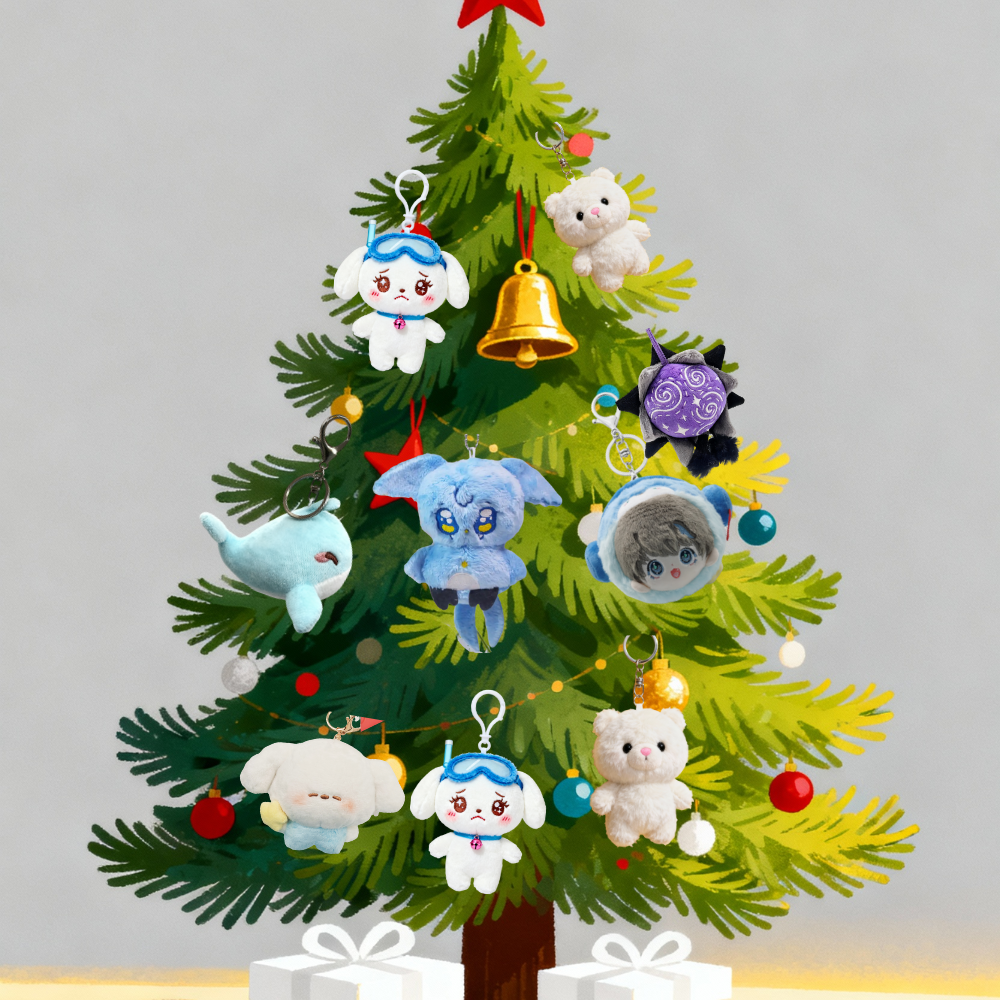
Are you tired of using the same string lights or glass ornaments every year? Why not try a brand-new way to decorate your Christmas tree? Let cute and soft plush toys bring unique warmth and fun to this Christmas!   For families with children, c...
View More

Get a Free Quote

Our representative will contact you soon.
Email
Name
Company Name
Message
0/1000
Attachment
Please upload at least an attachment
Up to 3 files,more 30mb,suppor jpg、jpeg、png、pdf、doc、docx、xls、xlsx、csv、txt

plush toy making

Advanced Design Technology Integration

Advanced Design Technology Integration

Modern plush toy making leverages cutting-edge design technology that revolutionizes the entire production process from concept to completion. Computer-aided design software enables creators to develop intricate patterns with mathematical precision, ensuring consistent proportions and optimal material utilization across every production run. Three-dimensional modeling capabilities allow designers to visualize finished products before physical production begins, reducing costly prototyping cycles and minimizing material waste. Digital pattern-making systems automatically generate cutting templates that maximize fabric efficiency while maintaining design integrity, resulting in significant cost savings and environmental benefits. The integration of advanced design technology in plush toy making facilitates rapid prototyping through digital printing and laser cutting equipment that produces accurate samples within hours rather than days. Virtual reality design environments enable collaborative creation sessions where teams can manipulate designs in real-time, regardless of geographic location, accelerating product development timelines. Automated grading systems adjust pattern sizes proportionally for different toy dimensions, ensuring consistent quality across entire product lines. Color matching technology ensures accurate fabric selection and dye lot consistency, preventing costly production delays and customer dissatisfaction. Digital asset management systems store and organize design files securely, protecting intellectual property while enabling efficient version control and design iteration. Machine learning algorithms analyze production data to identify optimization opportunities, continuously improving manufacturing efficiency and product quality. The seamless integration of design technology with production equipment creates automated workflows that reduce human error and increase output consistency. Quality assurance protocols embedded within design software identify potential manufacturing issues before production begins, preventing defects and reducing waste. These technological advantages position plush toy making operations at the forefront of modern manufacturing, delivering superior products while maintaining competitive pricing and operational efficiency.
Sustainable Manufacturing Excellence

Sustainable Manufacturing Excellence

Environmental responsibility drives innovation in modern plush toy making, creating sustainable manufacturing processes that benefit both businesses and communities while maintaining superior product quality. Eco-friendly materials form the foundation of sustainable plush toy making, utilizing organic cotton, recycled polyester filling, and biodegradable packaging materials that reduce environmental impact without compromising durability or safety. Waste reduction initiatives integrated throughout plush toy making operations capture and repurpose fabric scraps, thread remnants, and packaging materials, transforming potential waste into valuable resources for secondary products or recycling programs. Energy-efficient machinery and LED lighting systems significantly reduce power consumption in plush toy making facilities, lowering operational costs while minimizing carbon footprint. Water conservation measures including closed-loop cooling systems and rainwater harvesting reduce resource consumption and operational expenses. Sustainable plush toy making practices extend to transportation logistics through optimized packaging designs that maximize shipping efficiency and reduce fuel consumption during distribution. Local sourcing initiatives support community economies while reducing transportation-related emissions and ensuring fresher material supplies. Green certification programs validate sustainable practices in plush toy making operations, providing marketing advantages and meeting increasingly stringent retailer requirements. Employee wellness programs integrated with sustainable practices create positive workplace cultures that improve productivity and reduce turnover rates. Renewable energy installations including solar panels and wind generators enable plush toy making facilities to achieve carbon neutrality while reducing long-term energy costs. Chemical-free production processes eliminate harmful substances from manufacturing environments, ensuring worker safety and producing toys free from dangerous residues. Sustainable packaging innovations utilize compostable materials and minimal designs that reduce waste while maintaining product protection during shipping and retail display. These comprehensive sustainability measures position plush toy making operations as industry leaders while creating competitive advantages through cost reduction, regulatory compliance, and enhanced brand reputation among environmentally conscious consumers.
Customization and Market Adaptability

Customization and Market Adaptability

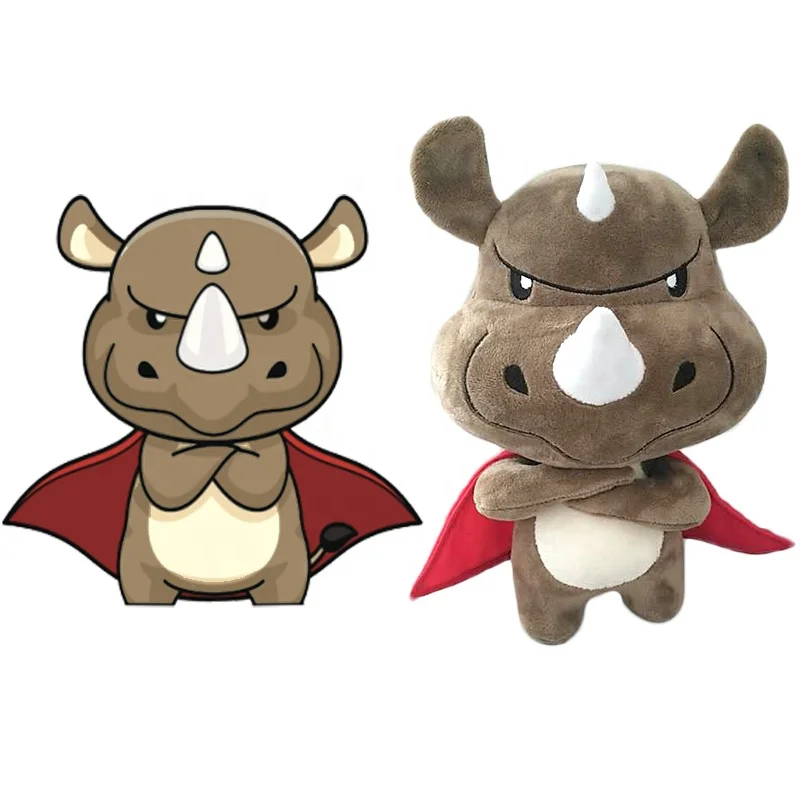
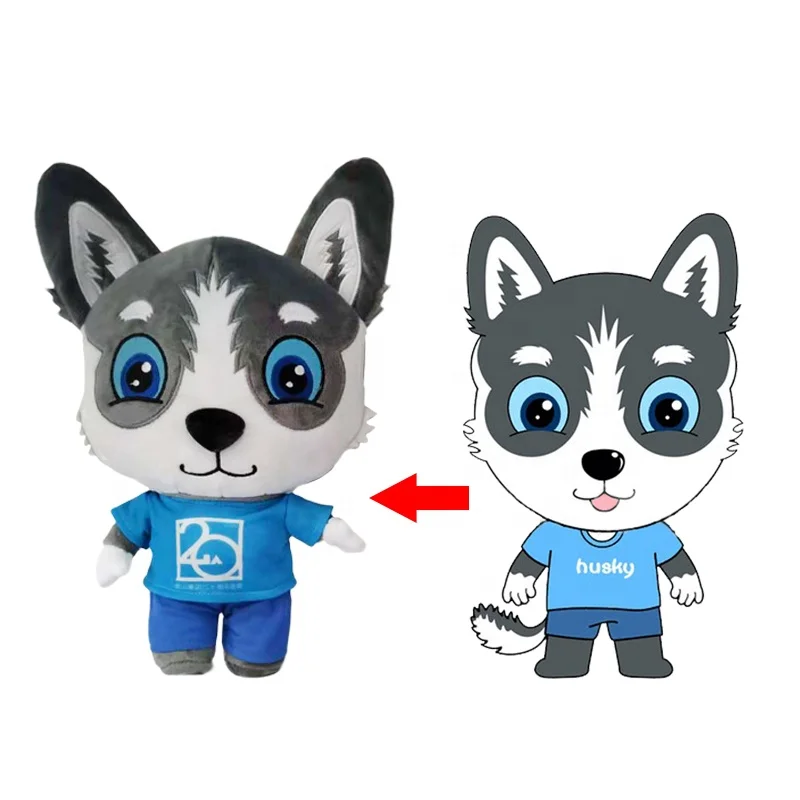
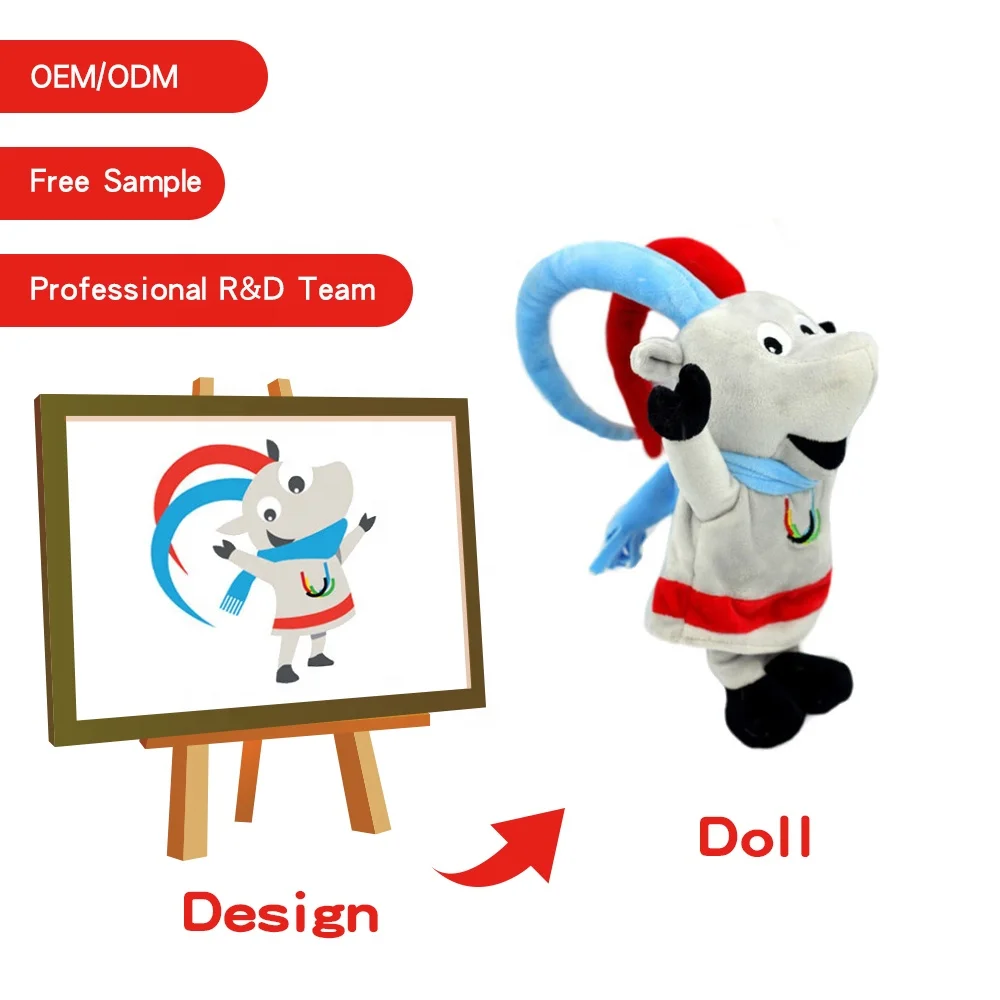
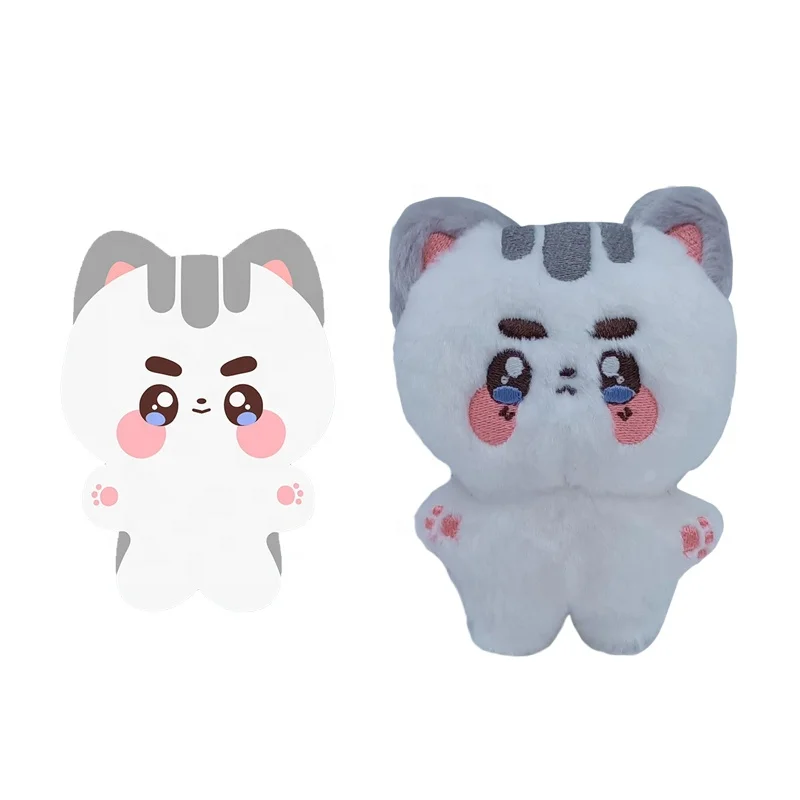
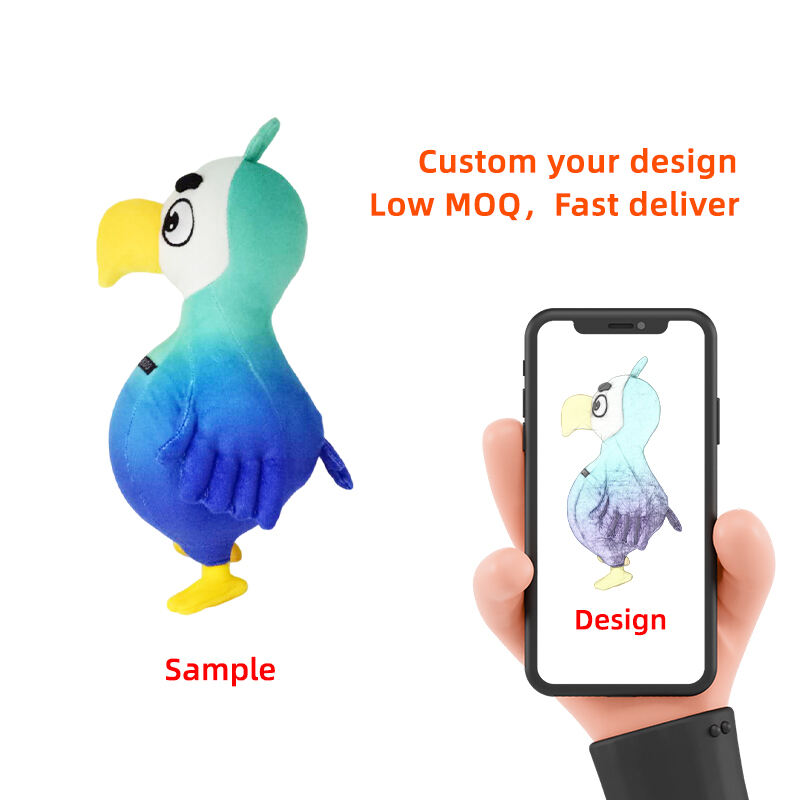
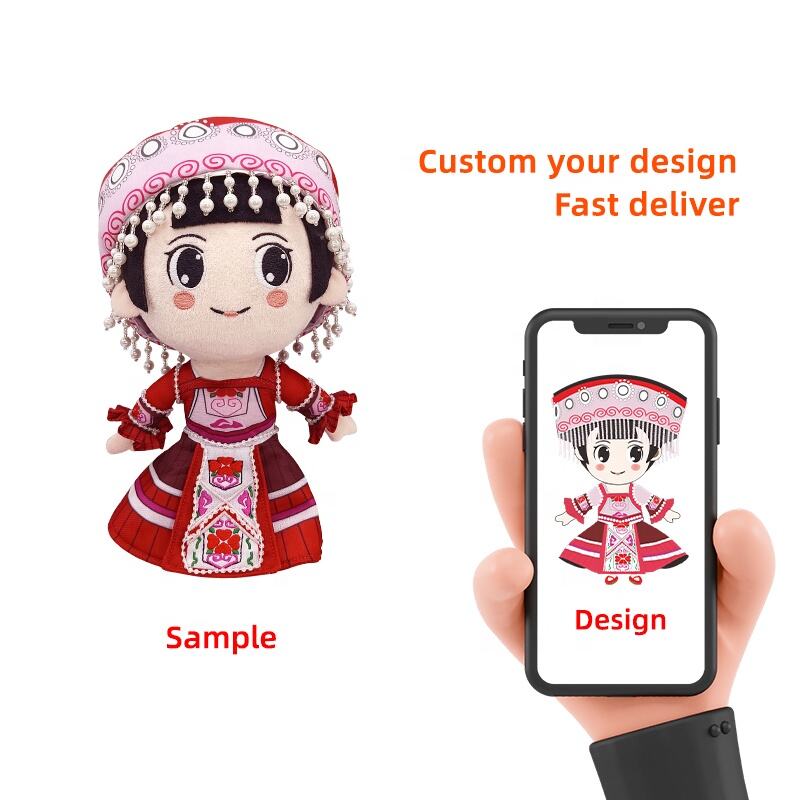
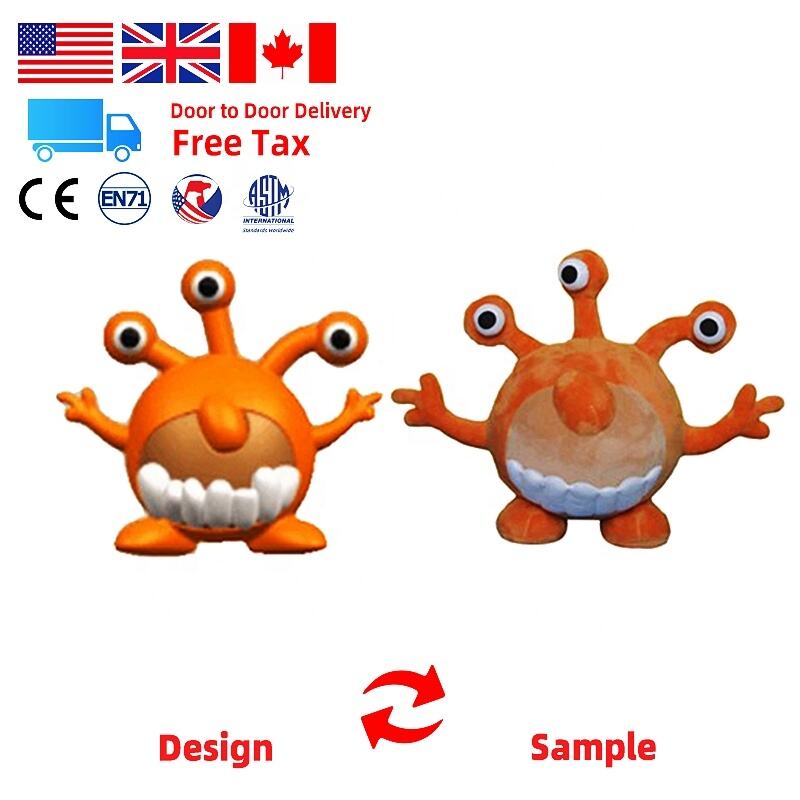
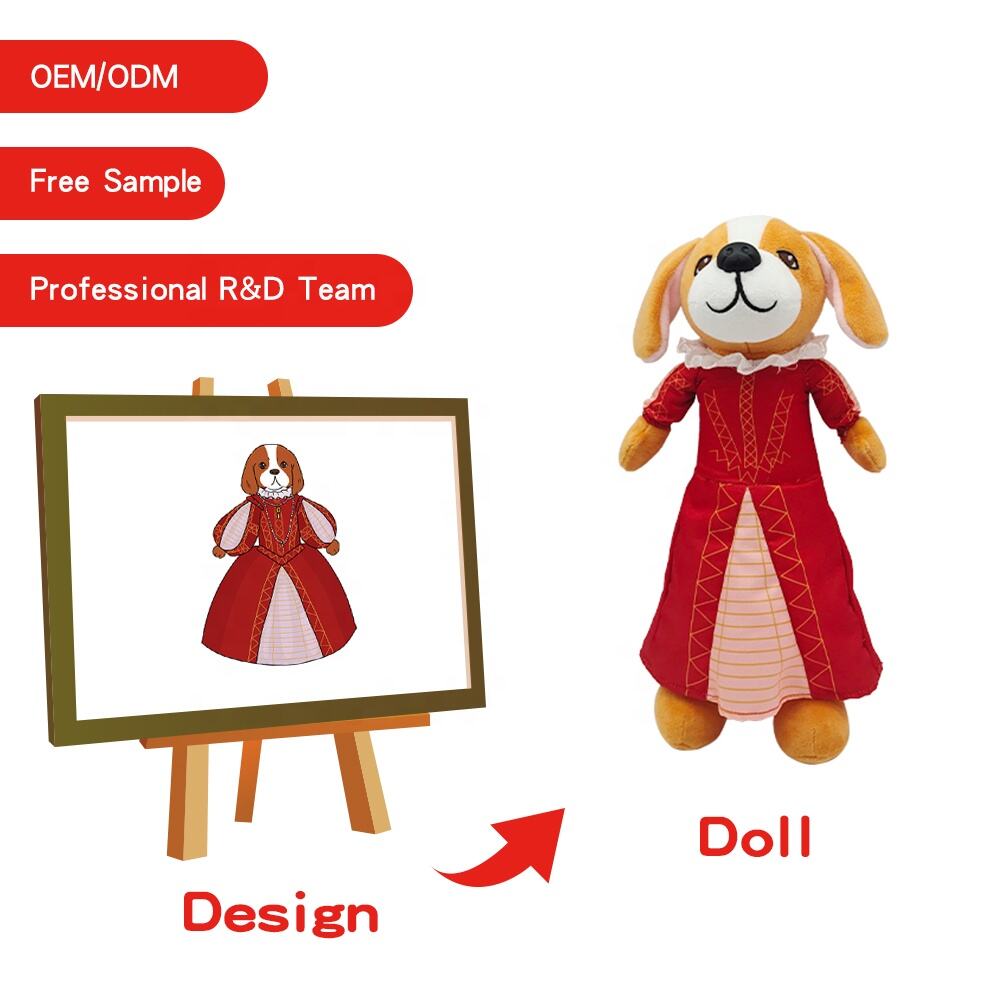
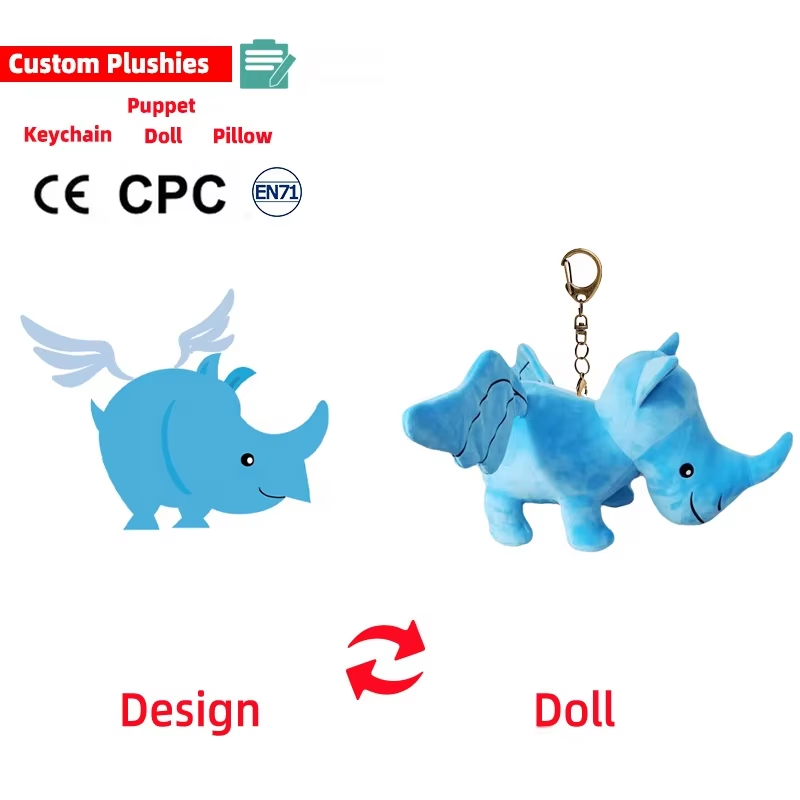
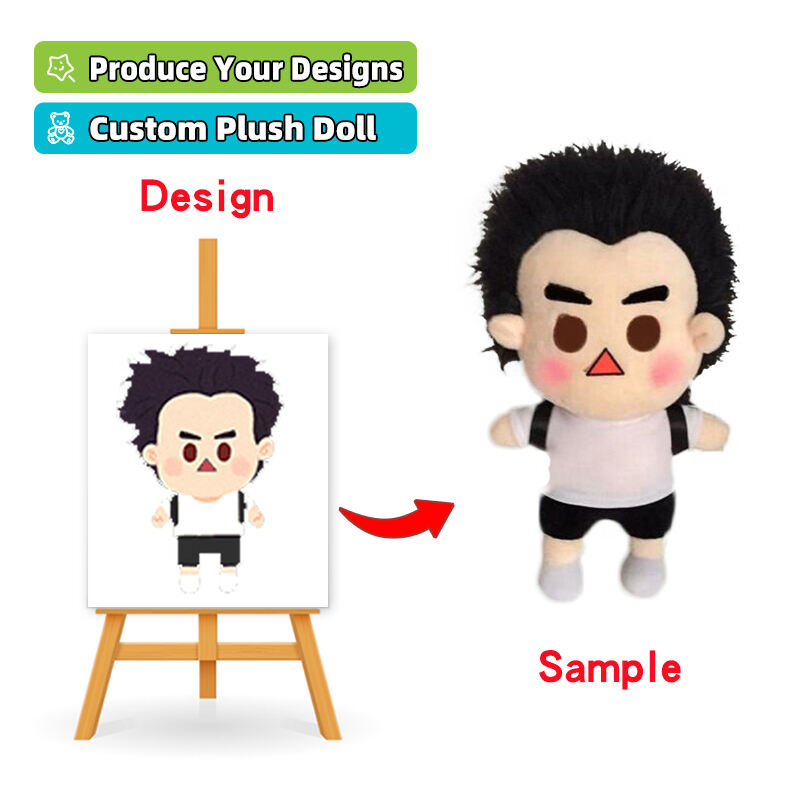
The inherent flexibility of plush toy making processes enables unprecedented customization capabilities that serve diverse market segments and create unique competitive advantages for manufacturers and retailers. Custom design services allow clients to transform concepts, artwork, or existing characters into tangible plush products through collaborative development processes that ensure perfect translation from vision to finished toy. Small-batch production capabilities in modern plush toy making operations accommodate specialty orders and limited edition releases without requiring minimum order quantities that traditionally excluded smaller businesses and independent creators. Rapid response manufacturing systems enable plush toy making facilities to capitalize on trending themes, seasonal opportunities, and viral phenomena by developing and producing relevant products within remarkably short timeframes. Material variety expands customization possibilities in plush toy making, offering options ranging from traditional plush fabrics to innovative textures, metallic finishes, and interactive elements that enhance play value and collector appeal. Size flexibility accommodates projects from miniature keychain accessories to oversized display pieces, ensuring plush toy making operations can serve every market segment and application. Personalization services including embroidered names, custom messages, and photograph integration create emotionally meaningful products that command premium pricing and generate exceptional customer loyalty. Corporate branding capabilities transform plush toy making into powerful marketing tools through accurate logo reproduction, color matching, and design elements that reinforce brand identity while providing memorable promotional items. International compliance expertise ensures plush toy making operations can navigate varying safety regulations, labeling requirements, and cultural preferences across global markets without compromising product integrity or delivery schedules. Technology integration including sound modules, LED lighting, and interactive features expands the possibilities within plush toy making while maintaining the essential comfort and safety characteristics that define the category. Quality control protocols adapt seamlessly to custom requirements, ensuring every specialized order meets the same rigorous standards as mass-produced items. These comprehensive customization capabilities establish plush toy making as an versatile manufacturing solution that grows with client needs while maintaining operational efficiency and profitability across diverse project scales and complexity levels.