Professional Stuffed Toy Manufacturers - Custom Plush Production & Global Compliance Services

Get a Free Quote

Our representative will contact you soon.
Email
Name
Company Name
Message
0/1000
Attachment
Please upload at least an attachment
Up to 3 files,more 30mb,suppor jpg、jpeg、png、pdf、doc、docx、xls、xlsx、csv、txt

stuffed toy manufacturers

Stuffed toy manufacturers represent the backbone of a multi-billion-dollar global industry that creates beloved companions for children and collectors worldwide. These specialized companies operate sophisticated production facilities equipped with cutting-edge machinery, quality control systems, and design capabilities that transform raw materials into cherished plush products. Modern stuffed toy manufacturers utilize advanced textile technologies, computerized embroidery systems, and precision filling equipment to create products that meet stringent safety standards while maintaining exceptional softness and durability. The primary function of these manufacturers extends beyond simple production, encompassing comprehensive services including custom design development, prototype creation, mass production, packaging, and distribution coordination. Leading stuffed toy manufacturers employ teams of skilled designers who work closely with licensing partners, retailers, and brand owners to develop products that capture market trends and consumer preferences. Their technological infrastructure includes automated cutting systems that ensure precise fabric patterns, specialized sewing equipment designed for three-dimensional construction, and advanced stuffing machinery that creates consistent density and shape retention. Quality assurance laboratories within these facilities conduct rigorous testing protocols, including safety assessments for small parts, flammability resistance, and chemical composition analysis to comply with international toy safety regulations such as CPSC, EN71, and ASTM standards. The applications for stuffed toy manufacturers span diverse market segments including traditional toy retail, promotional merchandise, educational tools, therapeutic products, and collectible items. Many manufacturers specialize in specific categories such as licensed character products, custom corporate mascots, or premium collector editions that require specialized materials and construction techniques. The integration of sustainable practices has become increasingly important, with leading stuffed toy manufacturers implementing eco-friendly materials, renewable energy systems, and waste reduction programs throughout their production processes. These companies serve as critical partners for major toy brands, entertainment companies, and retail chains by providing scalable manufacturing solutions that can accommodate both small custom orders and large-scale production runs while maintaining consistent quality standards and competitive pricing structures.

New Product Recommendations

Stuffed toy manufacturers offer numerous practical advantages that directly benefit businesses and consumers seeking high-quality plush products. Cost efficiency represents a primary advantage, as established manufacturers leverage economies of scale to produce items at significantly lower per-unit costs compared to smaller operations. These companies maintain extensive supplier networks that secure bulk material pricing, reducing overall production expenses while maintaining premium quality standards. Their streamlined production processes eliminate unnecessary overhead costs and minimize waste, resulting in competitive pricing that benefits end customers. Quality consistency stands as another major advantage, with experienced stuffed toy manufacturers implementing standardized procedures that ensure every product meets identical specifications. Their quality control systems include multiple inspection points throughout the manufacturing process, from initial material verification to final packaging review. This systematic approach prevents defects, reduces returns, and builds consumer confidence in the final products. Speed and reliability characterize the operational advantages these manufacturers provide. Established production schedules, efficient workflow management, and experienced workforce enable rapid turnaround times without compromising quality. Many manufacturers offer flexible production capacity that can scale up or down based on seasonal demand fluctuations or unexpected order volumes. This adaptability ensures clients receive their products when needed, supporting marketing campaigns and retail launch schedules effectively. Technical expertise represents a significant value proposition, as seasoned stuffed toy manufacturers possess deep knowledge of materials, construction methods, and safety requirements. Their design teams understand how different fabrics behave during production, which filling materials provide optimal texture and longevity, and how to construct products that withstand regular use while maintaining their appearance. This expertise translates into superior products that exceed customer expectations and reduce warranty claims. Innovation capabilities distinguish leading manufacturers from competitors, as they continuously invest in new technologies, materials, and production methods. Many manufacturers maintain research and development departments that explore emerging trends, sustainable materials, and advanced manufacturing techniques. This forward-thinking approach enables them to offer cutting-edge products that capture market attention and drive sales growth. Risk mitigation represents another crucial advantage, as established manufacturers carry comprehensive insurance coverage, maintain safety certifications, and implement robust compliance programs. These measures protect clients from potential liability issues while ensuring products meet all regulatory requirements across different international markets. Global reach and distribution networks enable manufacturers to serve clients worldwide while managing logistics efficiently, reducing shipping costs and delivery times through strategic facility locations and shipping partnerships.

Tips And Tricks

Custom Plush Pillows for Businesses: Branding & Marketing Tips

05

Sep

Custom Plush Pillows for Businesses: Branding & Marketing Tips

Transform Your Brand Identity with Promotional Plush Accessories In today's competitive business landscape, standing out requires more than just traditional marketing materials. Custom plush pillows have emerged as a powerful branding tool that combi...
View More
Top 10 Custom Plush Animal Makers for Unique Gifts

10

Oct

Top 10 Custom Plush Animal Makers for Unique Gifts

Transform Your Ideas into Cuddly Companions The world of custom plush animals has evolved dramatically, offering unprecedented opportunities to bring imagination to life through soft, huggable creations. These personalized stuffed companions have bec...
View More
Fun Family Games for Christmas: Bringing Plush Toys to Life on the Christmas Tree

27

Nov

Fun Family Games for Christmas: Bringing Plush Toys to Life on the Christmas Tree

Fun Family Games for Christmas: Bringing Plush Toys to Life on the Christmas Tree What happens when plush toys meet Christmas? These soft decorations can not only warm up your festive space but also become a wonderful bond connecting you with your ...
View More
Vintage Mini Plush Toys: Worth and Value Guide

27

Nov

Vintage Mini Plush Toys: Worth and Value Guide

The world of vintage mini plush toys has captivated collectors and enthusiasts for decades, representing a fascinating intersection of childhood nostalgia, craftsmanship, and investment potential. These diminutive treasures, often measuring just a fe...
View More

Get a Free Quote

Our representative will contact you soon.
Email
Name
Company Name
Message
0/1000
Attachment
Please upload at least an attachment
Up to 3 files,more 30mb,suppor jpg、jpeg、png、pdf、doc、docx、xls、xlsx、csv、txt

stuffed toy manufacturers

Advanced Production Technology and Automation Systems

Advanced Production Technology and Automation Systems

Leading stuffed toy manufacturers distinguish themselves through sophisticated production technology that revolutionizes traditional plush manufacturing processes. These companies invest millions of dollars in state-of-the-art automated systems that enhance precision, efficiency, and consistency across all production stages. Computer-controlled cutting machines utilize advanced pattern recognition software to optimize fabric utilization while ensuring precise component shapes that fit together seamlessly during assembly. These systems reduce material waste by up to thirty percent compared to manual cutting methods while maintaining superior accuracy that results in better-fitting seams and improved product appearance. Automated embroidery systems represent another technological advancement that sets professional manufacturers apart from smaller operations. These machines can execute complex designs with thread counts exceeding 50,000 stitches per minute while maintaining perfect tension and alignment throughout the process. The precision achieved through automated embroidery ensures that facial features, logos, and decorative elements appear identical across thousands of units, creating the consistency that major brands demand for their licensed products. Advanced stuffing machinery represents a crucial technological component that directly impacts product quality and customer satisfaction. Modern pneumatic filling systems deliver precisely measured amounts of filling material with consistent density distribution throughout the product cavity. This technology eliminates the variations that occur with manual stuffing methods, ensuring that every toy maintains the same feel, weight, and shape retention characteristics over time. Temperature-controlled filling processes prevent material degradation while specialized compression techniques create the optimal balance between softness and structural integrity. Quality monitoring systems integrated throughout the production line utilize sensors and cameras to detect defects in real-time, automatically removing substandard items before they reach packaging stages. These systems can identify issues such as uneven seams, incorrect stuffing density, missing components, or color variations that might affect product quality. The integration of Industry 4.0 technologies enables manufacturers to track individual products throughout the entire production process, creating detailed quality records that support continuous improvement initiatives and customer satisfaction programs.
Comprehensive Custom Design and Development Services

Comprehensive Custom Design and Development Services

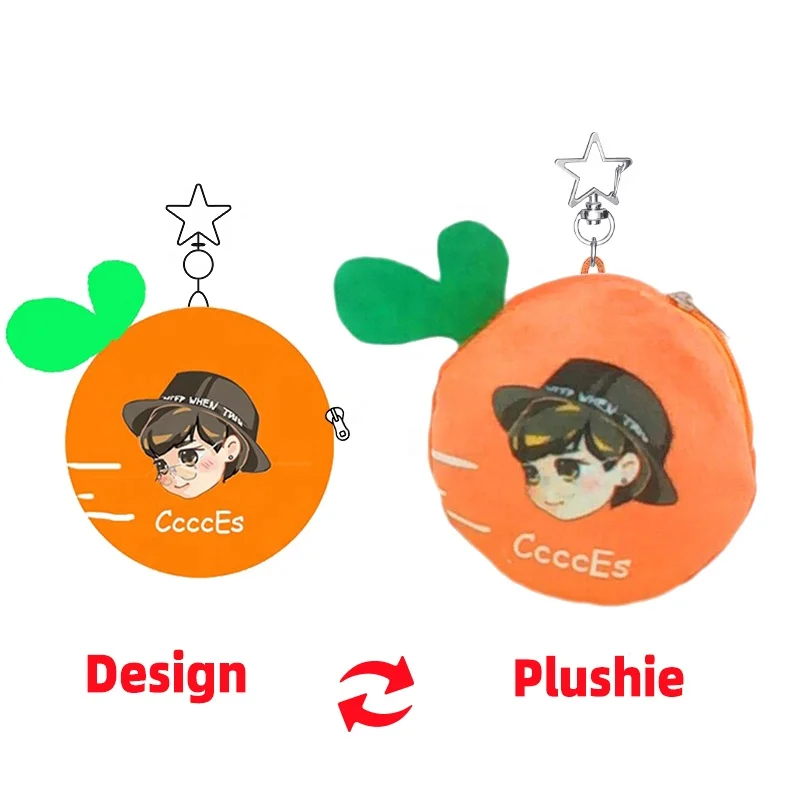
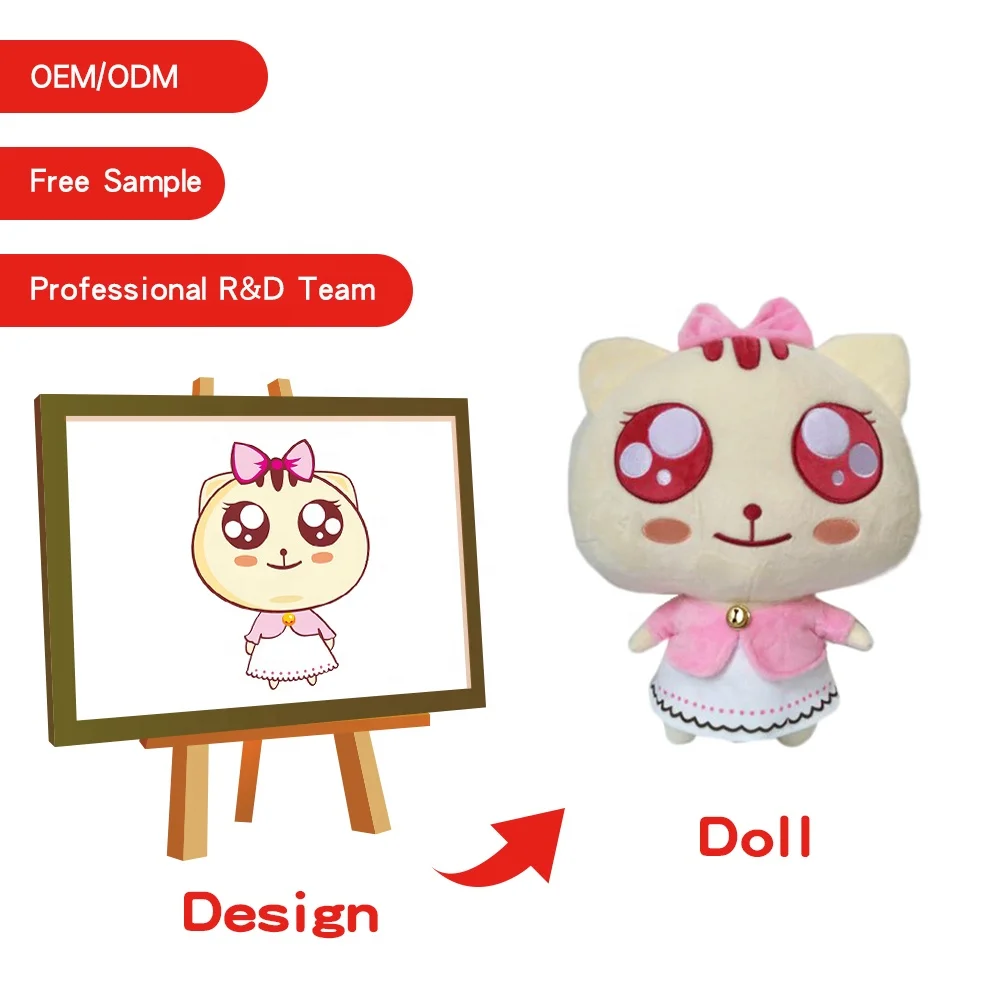
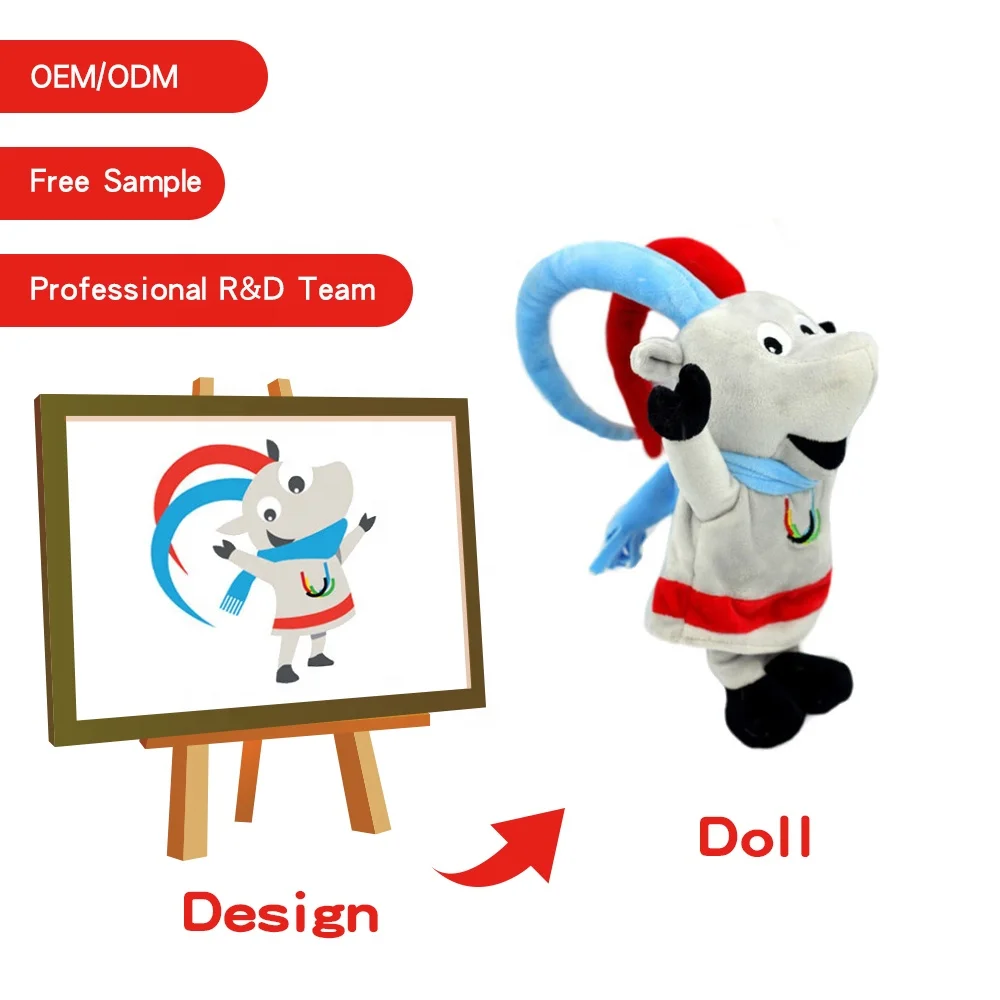
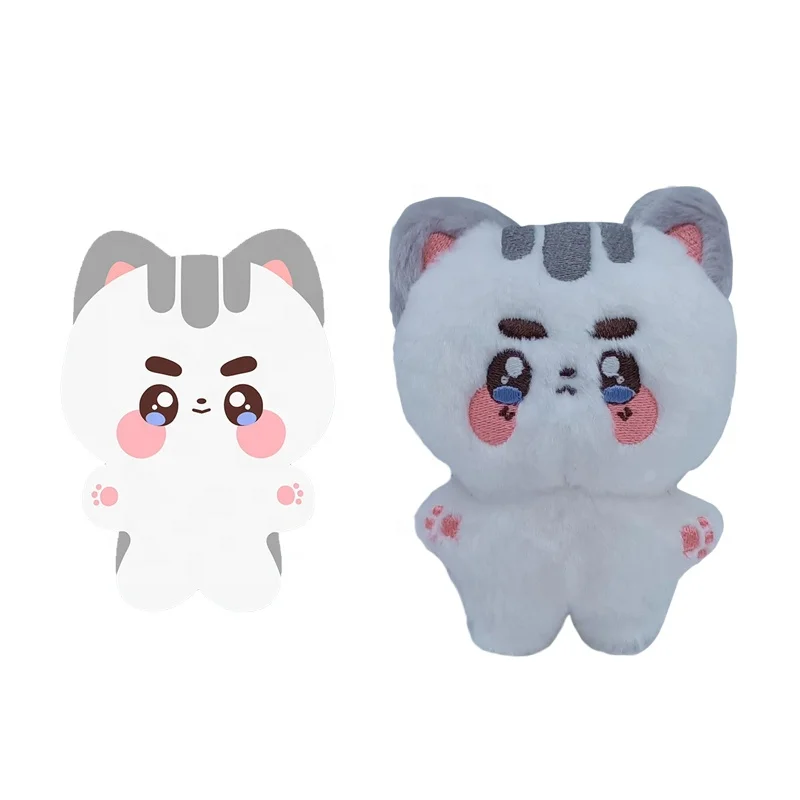
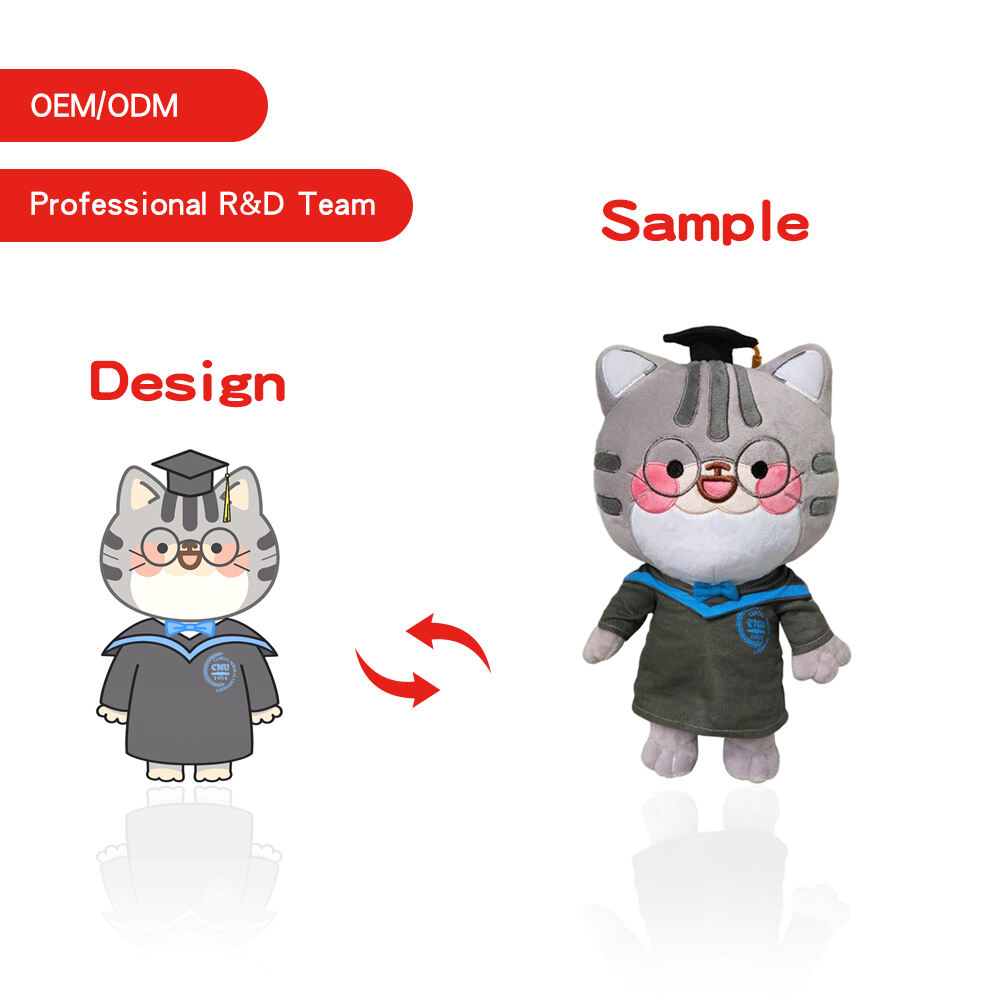
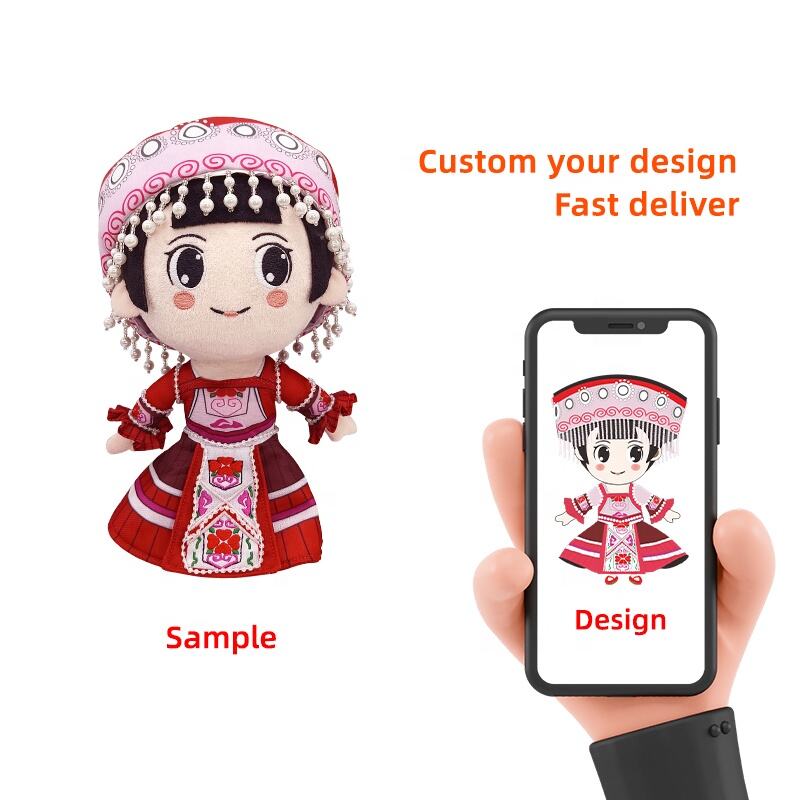
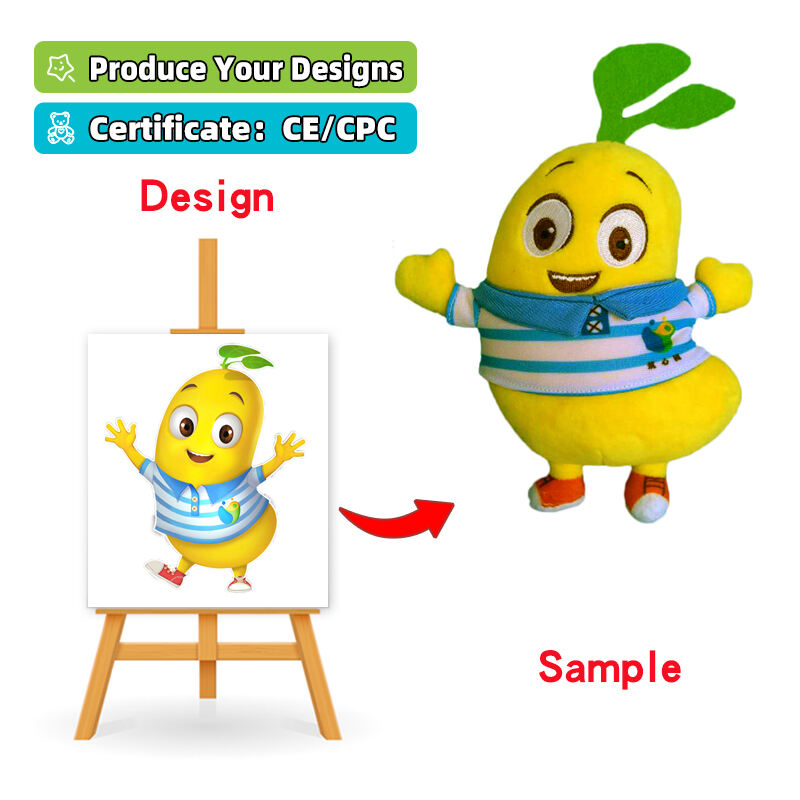
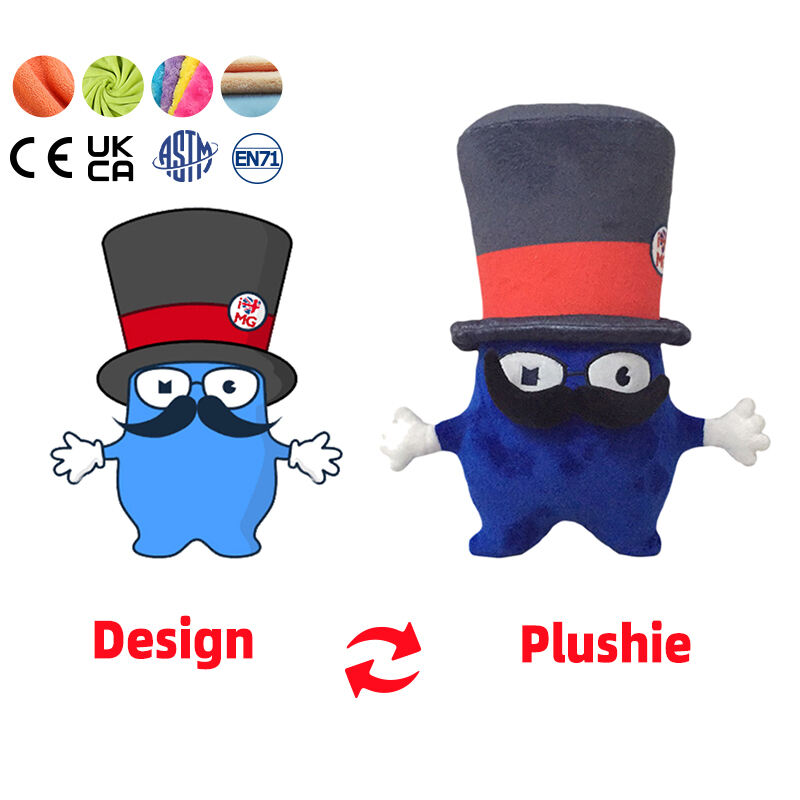
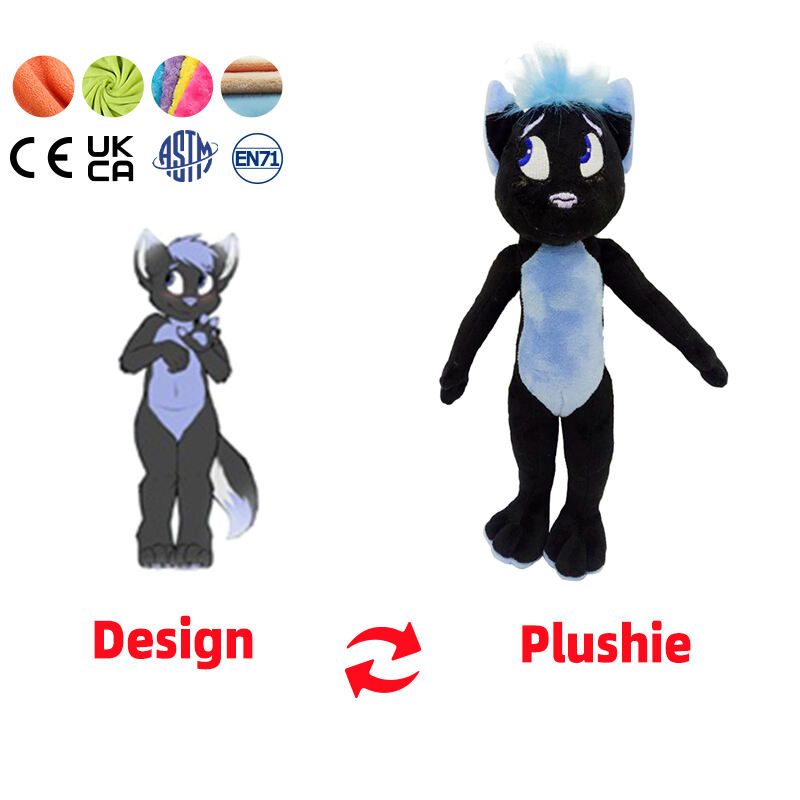
Professional stuffed toy manufacturers provide comprehensive custom design and development services that transform client concepts into market-ready products through collaborative partnerships and technical expertise. These manufacturers employ skilled design teams comprising industrial designers, pattern makers, and product engineers who specialize in translating two-dimensional artwork into three-dimensional plush products that capture the essence of original characters while ensuring manufacturability and safety compliance. The custom development process begins with detailed consultation sessions where manufacturers work closely with clients to understand specific requirements, target demographics, budget constraints, and timeline expectations. Design teams utilize advanced computer-aided design software to create detailed technical drawings and three-dimensional models that visualize how the finished product will appear from multiple angles. This digital prototyping stage allows clients to request modifications and refinements before physical samples are produced, reducing development time and costs while ensuring final products meet exact specifications. Pattern development represents a critical phase where experienced pattern makers create precise templates that guide the cutting and assembly processes. These professionals understand how different fabric types behave during construction and can adjust patterns to accommodate material stretch, seam allowances, and dimensional changes that occur during stuffing. Their expertise ensures that finished products maintain proper proportions and achieve the desired aesthetic appearance while meeting structural requirements for durability and safety. Prototype development services enable clients to evaluate physical samples before committing to full production runs. Manufacturers typically provide multiple prototype iterations, allowing clients to assess materials, colors, construction methods, and overall appearance. This iterative process ensures that all stakeholders approve the final design before production begins, minimizing the risk of costly revisions or unsatisfactory results. Material selection guidance represents an invaluable service that manufacturers provide during the development phase. Their extensive knowledge of fabric properties, filling materials, and accessory components helps clients choose options that balance cost considerations with performance requirements and aesthetic goals. Manufacturers can recommend materials that enhance durability, improve tactile qualities, or achieve specific visual effects while ensuring compliance with safety regulations and environmental standards. The development process includes comprehensive documentation that captures all design specifications, material requirements, construction procedures, and quality standards. This documentation serves as the foundation for production planning and quality control while providing clients with detailed records that support future reorders or product modifications.
Global Compliance and Safety Certification Management

Global Compliance and Safety Certification Management

Distinguished stuffed toy manufacturers excel in managing complex global compliance requirements and safety certifications that ensure their products meet stringent regulatory standards across multiple international markets. This expertise represents a critical advantage for clients seeking to distribute products worldwide without navigating the complexities of varying safety regulations independently. Professional manufacturers maintain dedicated compliance departments staffed with regulatory specialists who monitor evolving safety standards, testing requirements, and certification procedures across major global markets including North America, Europe, Asia, and emerging economies. These specialists understand the nuanced differences between regulatory frameworks such as the Consumer Product Safety Commission standards in the United States, European Norm EN71 requirements in the European Union, and similar standards in other regions. Their knowledge ensures that products designed and manufactured under their guidance automatically comply with applicable regulations, eliminating the need for clients to invest in separate compliance expertise or risk costly regulatory violations. Testing laboratory partnerships enable manufacturers to conduct comprehensive safety evaluations throughout the development and production phases. These partnerships provide access to accredited testing facilities equipped with specialized equipment for evaluating flammability resistance, chemical composition, mechanical safety, and age-appropriateness assessments. Manufacturers coordinate all testing activities, interpret results, and implement necessary design modifications to ensure compliance while maintaining product integrity and market appeal. The testing process includes evaluation of individual components such as fabrics, threads, filling materials, and accessories to verify that each element meets safety requirements before assembly begins. Documentation management represents another crucial aspect of compliance oversight that manufacturers handle on behalf of their clients. They maintain detailed records of all testing results, certification documents, material specifications, and production procedures required for regulatory submissions and customs clearance. This documentation package includes certificates of conformity, test reports, material safety data sheets, and age grading assessments that support product registration and market entry processes. Many manufacturers provide ongoing compliance monitoring services that track regulatory changes and assess their impact on existing products. This proactive approach helps clients maintain market access while avoiding disruptions caused by evolving safety requirements. Manufacturers can recommend product modifications, alternative materials, or updated testing procedures necessary to maintain compliance with new regulations. Risk management expertise enables manufacturers to identify potential compliance issues during the design phase and implement preventive measures that eliminate problems before production begins. Their experience with regulatory challenges helps clients avoid common pitfalls while developing products that exceed minimum safety requirements and demonstrate commitment to consumer protection.