EN
EN
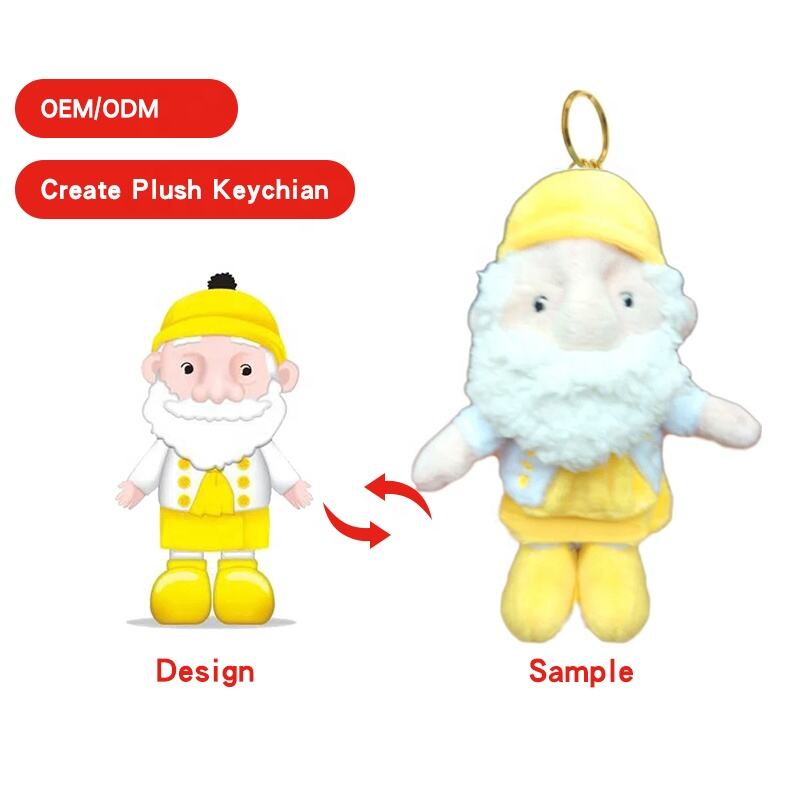
Choosing a reliable custom plush manufacturer requires systematic verification of their capabilities, quality standards, and business practices. The verification process involves evaluating multiple factors including production capacity, quality control systems, certifications, communication responsiveness, and past performance records. A thorough verification approach helps businesses avoid costly mistakes and ensures successful partnerships with manufacturers who can consistently deliver high-quality custom plush products that meet specific requirements.
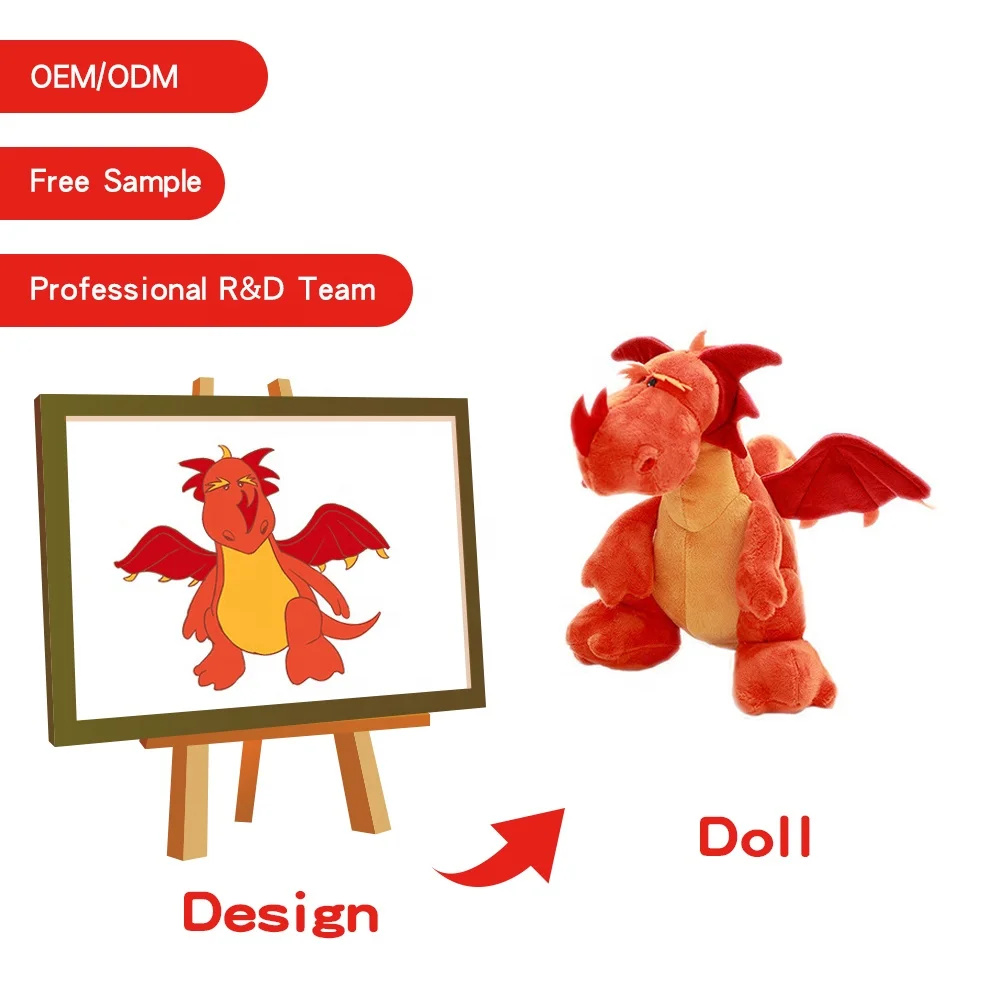
The verification process becomes particularly critical when dealing with international manufacturers, where distance and cultural differences can complicate communication and quality oversight. Establishing trust with a custom plush manufacturer involves verifying their technical expertise, production infrastructure, and ability to maintain consistent quality across large production runs. Smart verification strategies help businesses identify manufacturers who understand specific market requirements and can adapt their processes to meet unique design specifications and safety standards.
Production Capability Assessment
Manufacturing Infrastructure Evaluation
Verifying a custom plush manufacturer begins with evaluating their production infrastructure and technological capabilities. Request detailed information about their manufacturing facilities, including factory size, number of production lines, and daily output capacity. A reliable manufacturer should provide clear documentation of their equipment specifications, such as sewing machines, cutting tools, stuffing machinery, and quality testing equipment. Understanding their infrastructure helps determine whether they can handle your specific production volume and timeline requirements.
Ask for virtual factory tours or video documentation that showcases their production environment. Observe the organization of their workspace, cleanliness standards, and worker safety protocols. A professional custom plush manufacturer will maintain organized production floors, proper ventilation systems, and clearly marked safety procedures. Pay attention to how they store raw materials and finished products, as proper storage conditions directly impact product quality and hygiene standards.
Technical Expertise and Specialization
Evaluate the manufacturer's technical expertise in custom plush production by reviewing their design capabilities and material knowledge. A competent custom plush manufacturer should demonstrate understanding of various fabric types, filling materials, safety requirements, and construction techniques. Request samples of their previous work to assess stitching quality, durability, and attention to detail. Examine how well they execute complex designs, handle different textures, and maintain consistent quality across multiple units.
Inquire about their design development process and whether they offer services like pattern creation, prototyping, and design optimization. Reliable manufacturers often have in-house design teams who can translate concepts into manufacturable products while suggesting improvements for better production efficiency. They should also demonstrate knowledge of international safety standards and regulations that apply to plush toys in different markets, ensuring compliance with requirements like CPSIA, EN71, or other relevant standards.
Quality Control System Verification
Quality Assurance Protocols
A reliable custom plush manufacturer implements comprehensive quality control systems throughout their production process. Request detailed documentation of their quality assurance protocols, including incoming material inspection procedures, in-process quality checks, and final product testing methods. They should have established checkpoints at various production stages to identify and correct issues before they affect large quantities of products. Understanding their quality control workflow helps assess their commitment to maintaining consistent product standards.
Examine their quality testing procedures for safety compliance, durability, and performance standards. A professional manufacturer should conduct tests for small parts safety, flame retardancy, mechanical stress, and chemical content depending on the target market requirements. They should maintain testing records and provide certificates of compliance for different safety standards. Ask about their defect rate statistics and how they handle quality issues when they arise during production runs.
Certification and Compliance Standards
Verify that the custom plush manufacturer holds relevant certifications and complies with industry standards. Important certifications include ISO 9001 for quality management, SEDEX for ethical trading practices, and specific toy safety certifications like ICTI CARE Process or similar programs. These certifications indicate that the manufacturer follows established procedures for quality control, worker welfare, and environmental responsibility. Request copies of current certification documents and verify their validity with issuing organizations.
Investigate their compliance with safety regulations specific to plush toys and children's products. The manufacturer should demonstrate knowledge of age-appropriate safety requirements, testing protocols, and labeling standards for different international markets. They should also maintain current awareness of changing regulations and adapt their processes accordingly to ensure continued compliance throughout the production relationship.
Communication and Business Practice Evaluation
Responsiveness and Communication Quality
Assess the manufacturer's communication capabilities by evaluating their responsiveness, clarity, and professionalism during initial interactions. A reliable custom plush manufacturer responds promptly to inquiries with detailed, relevant information rather than generic responses. Test their communication skills by asking specific technical questions about production processes, materials, or customization options. Their ability to provide clear, accurate answers indicates their expertise and commitment to customer service.
Evaluate their language proficiency and cultural understanding if working across international boundaries. Effective communication becomes crucial for discussing design specifications, addressing concerns, and managing production timelines. Look for manufacturers who assign dedicated account managers or project coordinators who understand your market requirements and can facilitate smooth communication throughout the production process. Strong communication skills reduce the likelihood of misunderstandings that could lead to production delays or quality issues.
Business Transparency and Documentation
Examine the manufacturer's business transparency by requesting comprehensive documentation about their company structure, ownership, and operational history. Legitimate manufacturers provide clear information about their business registration, factory location, and key personnel. They should also share references from previous clients and allow verification of their track record with similar projects. Transparency in business practices indicates reliability and reduces risks associated with working with unknown suppliers.
Review their contract terms, pricing structure, and payment policies to ensure they align with standard industry practices. Reliable manufacturers offer clear pricing breakdowns, reasonable payment terms, and comprehensive contracts that outline responsibilities, timelines, and quality standards. Be cautious of manufacturers who require unusual payment arrangements or provide vague contract terms that could lead to disputes during production.
Sample Testing and Trial Production
Sample Quality Assessment
Request production samples to evaluate the manufacturer's actual output quality and attention to detail. A competent custom plush manufacturer should provide samples that accurately represent their production capabilities, including proper stitching techniques, appropriate filling distribution, and correct implementation of design specifications. Examine samples for consistency in construction quality, color accuracy, and overall finish. Compare multiple samples to assess their ability to maintain consistent quality across different production runs.
Conduct thorough testing of received samples including stress testing, washing durability, and safety compliance verification. Test the samples against your specific requirements and safety standards to ensure they meet market expectations. Document any issues or improvements needed and evaluate how the manufacturer responds to feedback. Their willingness to address concerns and implement improvements demonstrates their commitment to meeting customer requirements and maintaining quality standards.
Trial Production Evaluation
Consider conducting a small trial production run to further verify the manufacturer's capabilities before committing to larger orders. A trial run provides insights into their production management, quality consistency, timeline adherence, and problem-solving abilities under actual production conditions. Monitor their performance throughout the trial period and evaluate their ability to maintain quality standards, meet deadlines, and communicate effectively during active production.
Use the trial production to test their flexibility and responsiveness to changes or special requirements. Observe how they handle modifications, address unexpected challenges, and maintain quality control during production adjustments. A reliable custom plush manufacturer demonstrates adaptability while maintaining production efficiency and quality standards. The trial production experience provides valuable insights into what the long-term working relationship might involve and helps identify any potential issues before larger commitments.
FAQ
What certifications should I look for in a custom plush manufacturer?
Look for ISO 9001 quality management certification, ICTI CARE Process certification for ethical manufacturing, and specific safety certifications like CE marking for European markets or CPSIA compliance for US markets. Additionally, verify they have appropriate toy safety testing certifications from recognized laboratories and maintain current compliance with relevant international standards for children's products and plush toys.
How can I verify a manufacturer's production capacity claims?
Request detailed documentation of their production capabilities including factory size, number of production lines, equipment specifications, and current client production volumes. Ask for references from existing clients with similar production requirements and verify their claims through factory visits or virtual tours. Additionally, request production schedules and timelines for similar projects to assess realistic capacity expectations.
What should I include in a trial order to properly test a manufacturer?
Include a variety of design complexities, different materials, and multiple size specifications in your trial order. Test their ability to follow detailed specifications, maintain quality consistency, meet deadlines, and communicate effectively throughout production. The trial should represent the range of products you plan to order and include sufficient quantity to evaluate their quality control across multiple units.
How do I verify the authenticity of a manufacturer's certifications and references?
Contact certification bodies directly to verify the validity of claimed certifications using the manufacturer's registration numbers or certificate details. Reach out to provided references independently and ask specific questions about their experience with quality, reliability, and communication. Additionally, check business registration databases and industry directories to confirm the manufacturer's legitimacy and operational history.