EN
EN
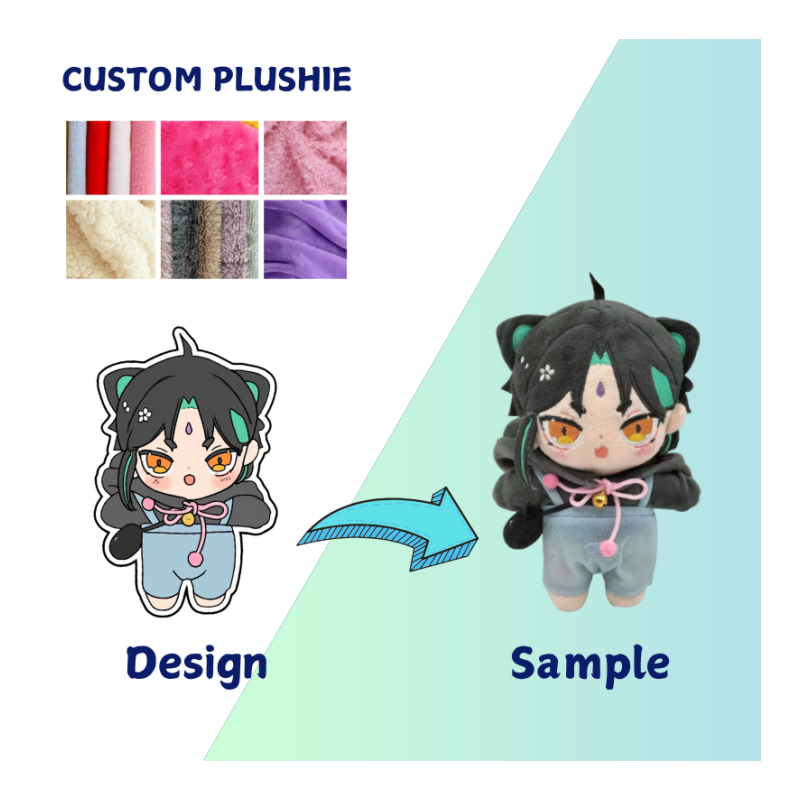
A custom plush maker transforms a simple idea into a soft, tangible stuffed animal through a structured, skill-intensive process. Whether you are a brand seeking a mascot, a business creating promotional merchandise, or an individual wanting a one-of-a-kind gift, understanding how a custom plush maker works helps you make smarter decisions and set realistic expectations. The journey from a rough sketch to a finished plush toy involves design, material selection, pattern engineering, sampling, and quality control — each stage requiring professional expertise.
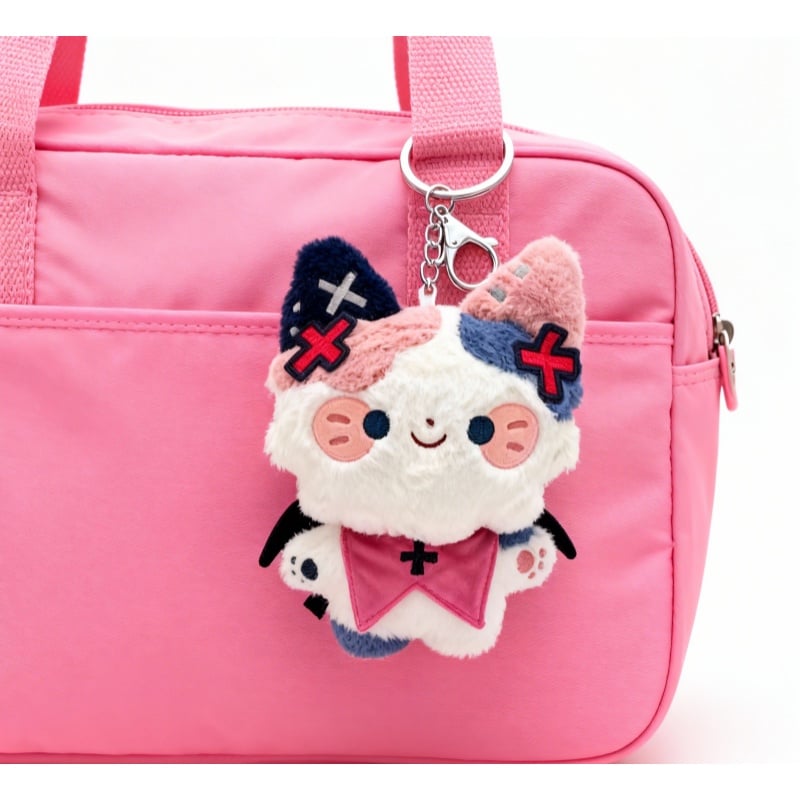
Every custom plush maker follows a defined workflow that balances creative vision with technical manufacturing requirements. The process is far more detailed than most clients initially expect. A skilled custom plush maker must coordinate artists, pattern cutters, sewers, quality inspectors, and material suppliers to deliver a product that matches the original concept. This article walks through every major stage of how a custom plush maker creates stuffed animals, so you know exactly what to anticipate before placing an order.
Design and Concept Development
From Client Brief to Technical Artwork
The process begins when a custom plush maker receives a brief from the client. This brief may include sketches, photographs, digital illustrations, character descriptions, or brand guidelines. The custom plush maker assigns a designer to interpret this input and produce detailed technical artwork showing the front, back, and side views of the character. Proportions, facial features, color zones, and accessory placements are all defined at this stage. Without accurate technical artwork, the downstream production teams cannot build a precise prototype.
A professional custom plush maker will also discuss design feasibility at this point. Some design elements that look simple in a flat illustration can be extremely difficult to replicate in three-dimensional soft goods. Tiny embroidered details, very sharp angles, or complex layered textures may need to be simplified or reinterpreted. The custom plush maker guides the client through these adjustments to ensure the final product looks great while remaining manufacturable at a reasonable cost.
Material and Color Selection
Once the design is approved, the custom plush maker selects materials. Plush fabric comes in many pile heights, textures, and finishes — short minky, long faux fur, velboa, and chenille are common choices. The custom plush maker matches fabric swatches to the client's color requirements and ensures the chosen materials meet any safety standards required by the target market. Filling materials, typically polyester fiberfill, are selected based on the desired softness and weight of the finished animal. Eye components, nose inserts, and any hard accessories are also sourced at this stage.
Pattern Making and Prototype Production
Engineering the Pattern Pieces
Pattern making is one of the most technical responsibilities of a custom plush maker. A pattern engineer translates the two-dimensional artwork into a set of flat fabric pieces that, when sewn together, will create the intended three-dimensional shape. Getting proportions right requires experience and mathematical precision. The custom plush maker tests multiple pattern drafts before settling on the version that best captures the character's silhouette and volume. Even small adjustments to a dart or a seam allowance can significantly change how the finished plush looks when stuffed.
The custom plush maker then cuts the pattern pieces from sample fabric and passes them to skilled sewers. Each seam is stitched in the correct order — a sequence that matters because some interior sections must be closed before others are accessible. The stuffed animal is then filled, closed, and reviewed against the original design artwork. This first physical sample, called a pre-production prototype, is photographed and shared with the client for review and approval.
Revisions and Sample Approval
The custom plush maker typically expects one to three rounds of revisions before a sample is approved. The client may request changes to facial expression, body proportions, fabric texture, or color accuracy. Each revision requires the custom plush maker to update the pattern, re-source materials if needed, and produce a new physical sample. This back-and-forth is a normal and essential part of the process. Rushing through sample approval often leads to costly issues during bulk production, so a thorough custom plush maker will encourage clients to review samples carefully before signing off.
Bulk Production and Quality Control
Scaling Up to Mass Production
After sample approval, the custom plush maker moves into bulk production. All fabric is cut using die-cut tools or automated cutting machines to ensure consistency across every unit. Cutting teams work through large fabric rolls, stacking and cutting multiple layers simultaneously for efficiency. Sewing teams then work along assembly lines, with each worker responsible for a specific seam or assembly step. This division of labor allows the custom plush maker to maintain speed without sacrificing precision.
The custom plush maker monitors production progress closely during the bulk run. Periodic in-line inspections check that each unit matches the approved sample. Common issues such as uneven stuffing, misaligned facial features, or fabric color variation are caught and corrected before too many units are affected. The custom plush maker also verifies that all safety components — such as eye attachments and seam strength — meet the required standards for the intended market, whether that involves CE certification in Europe or ASTM compliance in the United States.
Final Inspection and Packaging
Before shipping, the custom plush maker conducts a final quality inspection on all finished units. Each stuffed animal is checked for loose threads, filling consistency, correct labeling, and overall appearance. The custom plush maker then arranges packaging according to the client's specifications — hang tags, poly bags, gift boxes, or retail-ready packaging are all options. Proper packaging protects the plush toys during shipping and presents them professionally at the point of sale. After passing final inspection, the custom plush maker arranges logistics and delivers the order to the client's specified destination.
FAQ
How long does it take a custom plush maker to produce stuffed animals?
The typical timeline for a custom plush maker ranges from six to twelve weeks, depending on design complexity, revision rounds, order quantity, and shipping method. The design and sampling phase alone can take two to four weeks. Clients who provide clear briefs and approve samples quickly can shorten the overall timeline. Rush services may be available from some custom plush maker studios for an additional fee, though this can affect detail quality.
What is the minimum order quantity for a custom plush maker?
Minimum order quantities vary by custom plush maker. Some studios accept orders as low as fifty to one hundred units, while larger manufacturers may require five hundred or more. Lower minimums usually come with higher per-unit costs because setup expenses are spread across fewer pieces. A custom plush maker that offers small-batch production is ideal for startups, event giveaways, or limited-edition product launches.
Can a custom plush maker match a specific character or brand mascot exactly?
Yes, a skilled custom plush maker can replicate a character or brand mascot with high accuracy, provided the client supplies detailed reference artwork from multiple angles. The custom plush maker will guide the client through any design adjustments needed to make the character work as a soft goods product. Complex or highly stylized characters may require additional sample rounds, but experienced custom plush maker teams handle these challenges regularly and deliver results closely aligned with the original design.