EN
EN
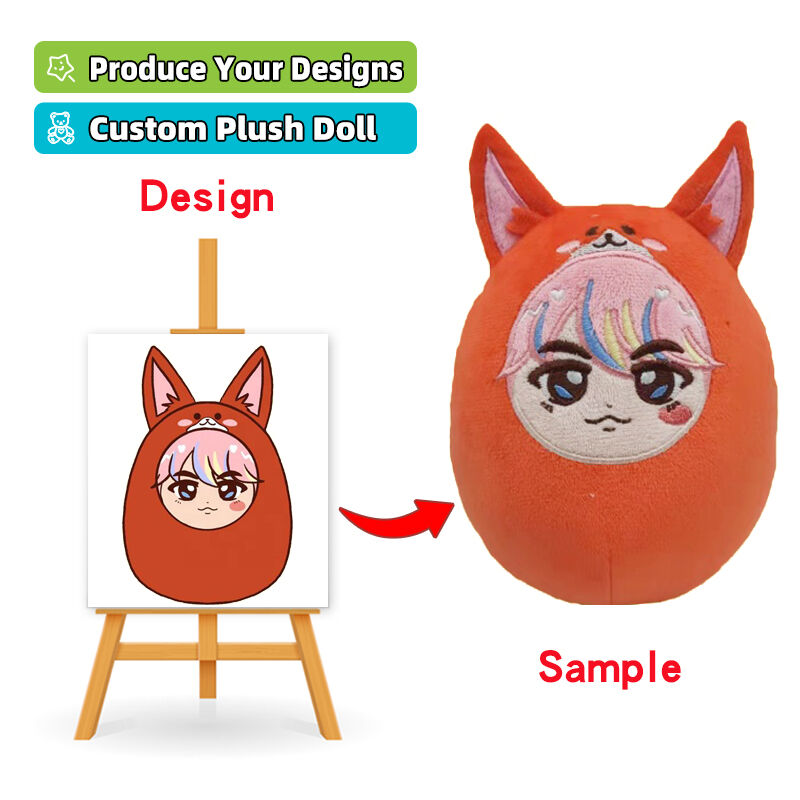
The art of creating custom stuffed animals requires specialized knowledge, advanced equipment, and years of experience that only a professional plush maker can provide. When customers envision their perfect stuffed companion, they often underestimate the intricate process involved in transforming a simple concept into a huggable reality. A skilled plush maker combines technical expertise with creative vision to deliver products that exceed expectations while maintaining the highest safety and quality standards.
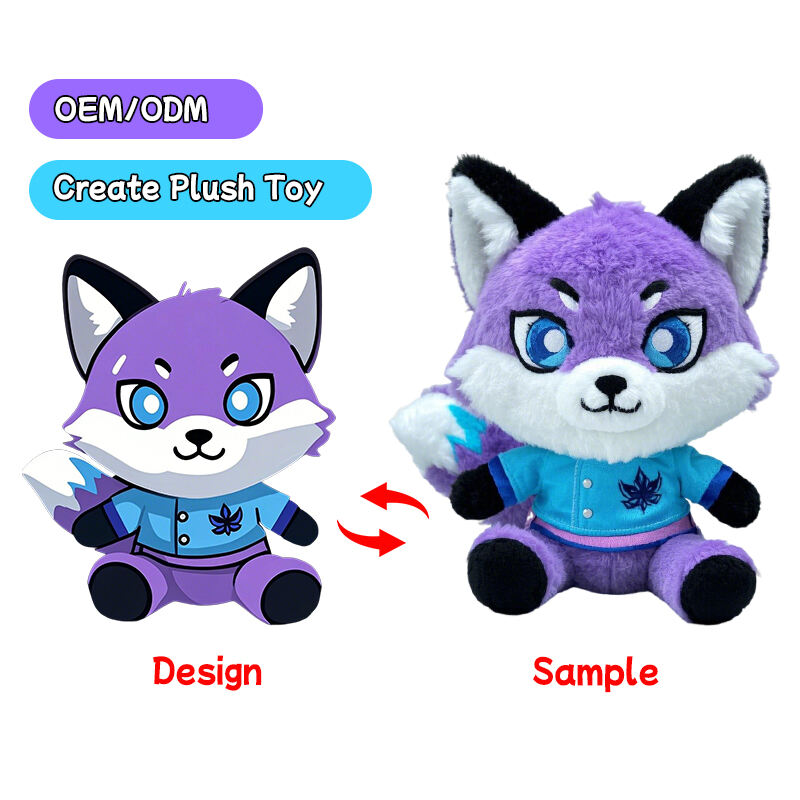
Design Development and Conceptualization Process
Initial Consultation and Requirement Analysis
Every successful custom project begins with a thorough consultation where the plush maker evaluates the client's vision, budget constraints, and intended use of the finished product. Professional manufacturers understand that effective communication during this phase determines project success and customer satisfaction. The experienced plush maker will ask detailed questions about size specifications, material preferences, color schemes, and any special features required for the custom design.
During this initial phase, the plush maker also assesses technical feasibility and provides honest feedback about design limitations or potential modifications that might improve the final product. This collaborative approach ensures that both parties have realistic expectations and helps avoid costly revisions later in the manufacturing process.
Technical Drawing and Pattern Development
Once the concept is finalized, the plush maker creates detailed technical drawings that serve as blueprints for the entire manufacturing process. These drawings include precise measurements, seam placements, and assembly instructions that guide every subsequent step. The pattern development phase requires exceptional attention to detail, as even minor errors can result in significant quality issues or production delays.
Professional plush maker teams utilize computer-aided design software to create accurate patterns that account for fabric stretch, stuffing compression, and final dimensional requirements. This digital approach allows for easy modifications and ensures consistency across multiple production runs when clients require larger quantities of identical items.
Material Selection and Quality Assurance
Fabric Selection Criteria
An experienced plush maker understands that material selection directly impacts the durability, appearance, and safety of the finished product. Different fabric types offer unique characteristics that must be carefully matched to the intended application and target audience. For children's toys, the plush maker prioritizes hypoallergenic materials that meet strict safety regulations while maintaining the desired texture and visual appeal.
The selection process involves evaluating fabric weight, pile height, color fastness, and washing compatibility to ensure long-term satisfaction. Premium manufacturers maintain extensive fabric libraries and work with certified suppliers to guarantee consistent quality and reliable availability for future orders.
Stuffing Materials and Safety Compliance
Professional plush maker operations utilize high-grade polyester fiberfill that provides optimal shape retention while remaining lightweight and hypoallergenic. The stuffing density must be carefully calibrated to achieve the desired firmness without compromising the toy's huggability or creating uncomfortable pressure points. Safety regulations require all materials to be non-toxic and flame-resistant, particularly for products intended for children under three years of age.
Quality control procedures include batch testing of all stuffing materials to verify consistency and compliance with international safety standards. The plush maker maintains detailed documentation of material sources and testing results to ensure full traceability and rapid response capability in the unlikely event of quality issues.
Manufacturing Process and Production Techniques
Cutting and Preparation Methods
Precision cutting forms the foundation of quality plush manufacturing, and skilled operators use specialized equipment to ensure accurate piece dimensions and clean edge finishes. The plush maker employs computer-controlled cutting systems for complex shapes and high-volume production, while hand-cutting techniques are reserved for intricate details or small batch orders. Proper cutting technique prevents fraying and ensures that seams align perfectly during assembly.
Each fabric piece is carefully inspected and marked according to the assembly sequence, reducing the likelihood of errors during the sewing process. The preparation phase also includes applying any necessary interfacing or stabilizing materials that enhance structural integrity and maintain shape over time.
Assembly and Sewing Techniques
The assembly process requires specialized sewing machines designed specifically for plush toy construction, including equipment capable of handling varying fabric thicknesses and creating secure seams that withstand rigorous use. An experienced plush maker understands the importance of seam strength and uses appropriate thread types and stitch patterns to prevent separation under stress.
Critical areas such as limb attachments and high-stress joints receive reinforcement techniques that extend product lifespan while maintaining the toy's natural appearance and feel. The sewing team follows detailed work instructions and quality checkpoints throughout the assembly process to ensure consistency and identify potential issues before they affect the final product.
Customization Options and Special Features
Embroidery and Surface Decoration
Modern plush maker facilities offer extensive customization options including computer-controlled embroidery systems capable of reproducing complex logos, text, and decorative patterns with exceptional precision. These advanced systems allow for multi-color designs and various thread types that enhance visual appeal while maintaining durability through repeated washing and handling.
Surface decoration options extend beyond traditional embroidery to include appliqué work, heat-transfer vinyl, and specialty printing techniques that enable photorealistic reproduction of complex imagery. The plush maker works closely with clients to select appropriate decoration methods based on design requirements, quantity, and budget considerations.
Interactive Elements and Accessories
Contemporary custom plush projects often incorporate interactive elements such as sound modules, LED lighting, or removable accessories that enhance play value and emotional connection. The plush maker must carefully integrate these components while maintaining structural integrity and ensuring all electronic elements meet safety standards for the intended age group.
Accessory integration requires specialized knowledge of component placement, battery access, and waterproofing techniques that protect electronic elements from moisture and normal wear. Professional manufacturers maintain partnerships with certified component suppliers and conduct thorough testing to verify long-term reliability and safety compliance.
Quality Control and Testing Procedures
Safety Testing and Certification
Every professional plush maker implements comprehensive testing protocols that verify compliance with relevant safety standards including CPSIA, EN71, and other international regulations. These tests evaluate potential hazards such as small parts detachment, chemical content, and mechanical safety to ensure products are appropriate for their intended age groups and use cases.
Testing procedures include pull tests on seams and attached components, bite tests for age-appropriate resistance, and chemical analysis of all materials in contact with users. The plush maker maintains relationships with certified testing laboratories and keeps detailed records of all test results for regulatory compliance and customer confidence.
Final Inspection and Packaging
The final inspection process involves detailed visual examination of each completed item to identify any cosmetic defects, structural issues, or deviation from approved specifications. Experienced quality control personnel check symmetry, stuffing distribution, seam integrity, and overall appearance against established standards before approving items for packaging and shipment.
Professional packaging protects the finished products during shipping while presenting them attractively upon arrival. The plush maker selects appropriate packaging materials and methods based on shipping distance, storage requirements, and presentation preferences specified by the client.
Timeline Management and Production Planning
Project Scheduling and Milestone Tracking
Effective project management enables the plush maker to deliver high-quality custom products within agreed timeframes while accommodating client requirements and potential design changes. Professional manufacturers utilize project management software to track progress through each production phase and identify potential bottlenecks before they impact delivery schedules.
Regular communication updates keep clients informed of project status and allow for timely decision-making when modifications or approvals are required. The plush maker establishes realistic timelines based on design complexity, quantity requirements, and current production capacity to ensure consistent delivery performance.
Scalability and Volume Production
Professional plush maker operations are designed to accommodate projects ranging from single prototypes to large-scale production runs without compromising quality or significantly extending delivery times. This scalability requires flexible manufacturing processes and efficient resource allocation that can adapt to varying project requirements and seasonal demand fluctuations.
Volume production capabilities enable cost-effective pricing for larger orders while maintaining the same attention to detail and quality standards applied to smaller projects. The plush maker implements batch control procedures and statistical quality monitoring to ensure consistency across extended production runs.
FAQ
What is the typical turnaround time for custom plush projects
Most professional plush maker operations require 3-6 weeks for standard custom projects, depending on complexity and quantity. Simple designs with basic materials typically complete faster, while projects requiring specialized components or extensive testing may extend to 8-10 weeks. Rush orders are sometimes possible with additional fees and simplified approval processes.
How does pricing work for custom stuffed animal projects
Custom plush pricing depends on multiple factors including size, complexity, materials, quantity, and special features. A professional plush maker provides detailed quotes that break down costs for design development, materials, labor, and any additional services. Volume discounts typically apply to orders over specified minimum quantities, making larger projects more cost-effective per unit.
What file formats are required for custom design submission
Most plush maker facilities accept various file formats including high-resolution photographs, vector graphics, and technical drawings. Adobe Illustrator files work well for logos and text elements, while detailed photos help convey texture and color requirements. Professional manufacturers can work with clients who have limited technical design experience to develop suitable production files.
Are there minimum order quantities for custom plush projects
Minimum order quantities vary by manufacturer, with most professional plush maker operations accepting single-piece prototypes or small batch orders of 10-50 units. Larger minimum quantities often apply to highly complex designs or projects requiring specialized tooling. Some manufacturers offer prototype services that allow clients to evaluate samples before committing to larger production runs.