EN
EN
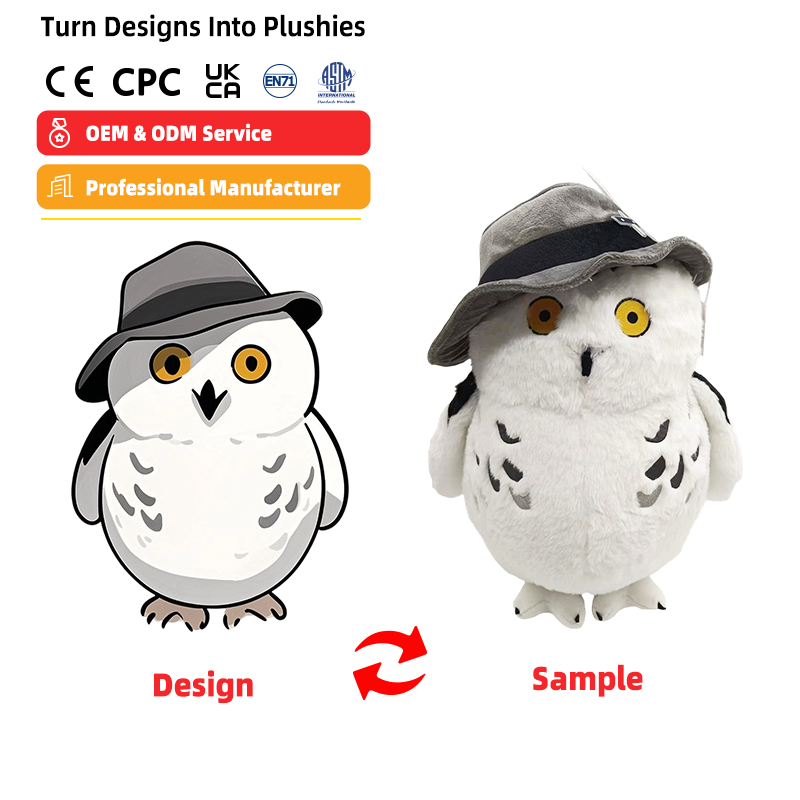
Custom animal plush production is a sophisticated manufacturing process that transforms creative visions into tangible, high-quality stuffed toys. Understanding how custom animal plush products move through each production stage helps businesses, retailers, and designers make informed decisions about outsourcing, quality expectations, and timeline planning. This comprehensive guide walks through every phase of custom animal plush production, from initial concept to final packaging, revealing the expertise and precision required at every step.
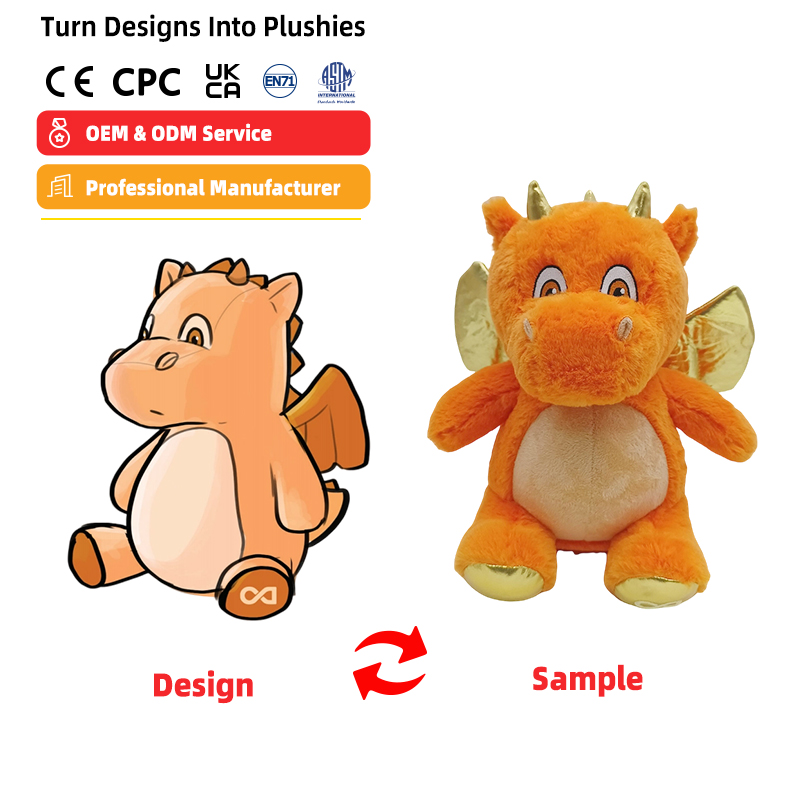
The journey of custom animal plush manufacturing involves multiple departments, specialized equipment, and skilled technicians working in coordinated sequences. Whether you are launching a new branded toy line, creating limited-edition merchandise, or developing unique gifts, knowing the mechanics of how custom animal plush is made ensures you partner with capable manufacturers and establish realistic budgets and timelines.
Design Development and Technical Preparation
Concept Refinement and Artwork Approval
The custom animal plush production process begins with design development, where your concept transforms into technical specifications. Manufacturers create detailed digital renderings and sketches that reflect your vision, allowing you to review proportions, facial features, posture, and overall aesthetics before production begins. This stage is critical because modifications become exponentially more expensive once physical samples are manufactured. The custom animal plush design team works closely with you to finalize colors, fabric texture preferences, and size dimensions, ensuring alignment with your brand identity and market expectations.
Pattern Creation and Sample Production
Once the design is approved, the manufacturer develops patterns that serve as blueprints for cutting fabric pieces. For custom animal plush, this involves creating individual templates for the body, head, limbs, ears, and any specialized features. The team then produces an initial sample—often called a first sampling—where the custom animal plush prototype is hand-stitched or test-stitched to verify quality, proportions, and construction feasibility. This sample phase allows manufacturers to identify potential manufacturing challenges and refine the process before mass production. You evaluate the sample, request adjustments if needed, and approve the final pattern specifications.
Material Selection and Fabric Sourcing
Fabric Quality and Supplier Coordination
Material quality directly impacts the appeal and durability of custom animal plush toys. Manufacturers source fabrics that meet your specifications—typically soft polyester, minky, cotton blends, or specialty materials depending on the desired touch and performance. For custom animal plush production, suppliers must verify fabric certifications, dye stability, and compliance with safety standards such as ASTM F963 or EN71 for children's toys. The fabric is inspected upon arrival to confirm color consistency, weight, and structural integrity. Quality control teams test for colorfastness, tensile strength, and potential shrinkage to prevent defects in the final custom animal plush product.
Filling Material and Component Sourcing
Custom animal plush toys require premium filling materials that provide softness while maintaining shape and longevity. Manufacturers typically use polyester fiberfill that meets regulatory standards and offers consistent density. Along with filling, the custom animal plush production team sources safety eyes, embroidery threads, labels, and any decorative elements. All components are verified for compliance with relevant toy safety regulations, including hypoallergenic properties and durability under stress testing. This comprehensive material sourcing phase ensures that every component of your custom animal plush meets quality expectations and regulatory requirements before assembly begins.
Production Workflow and Assembly Operations
Cutting, Sewing, and Stitching Processes
Custom animal plush production enters its manufacturing phase with pattern cutting. Manufacturers use industrial cutting machines and templates to precisely cut fabric pieces from bolts of material, minimizing waste while ensuring consistency across every unit. The cut pieces move to the sewing department where skilled operators stitch body panels, attach limbs, and assemble the overall structure of the custom animal plush using specialized sewing machines. Industrial overlocking and safety stitching techniques ensure seams are reinforced and durable. The stitching quality directly affects longevity, especially for toys that experience frequent handling and washing.
Stuffing, Closing, and Detailing
Once the outer shell of custom animal plush is constructed, the product moves to the stuffing station. Workers fill the toy with polyester fiberfill using industrial equipment that ensures uniform density and prevents lumpy or unevenly distributed filling. The final opening is then hand-stitched closed using ladder stitching or whip stitching techniques that are virtually invisible. After stuffing and closing, the custom animal plush undergoes detail work where safety eyes are affixed, embroidered facial features are added, and any decorative elements like ribbons or patches are attached. This phase requires precision and attention to detail because it defines the character and appeal of the finished toy.
Quality Inspection and Testing
Before packaging, every custom animal plush unit undergoes rigorous quality inspection. Quality control specialists examine seams for loose threads, verify that eyes are securely fastened, check for color defects or stains, and ensure proportions match approved specifications. Tensile testing pulls on limbs and seams to confirm they withstand normal play stress. For custom animal plush intended for children under three years, manufacturers conduct additional safety testing to verify no small parts can detach and that stuffing cannot be accessed. Any units that fail inspection are either reworked or rejected, maintaining consistency across the entire production batch.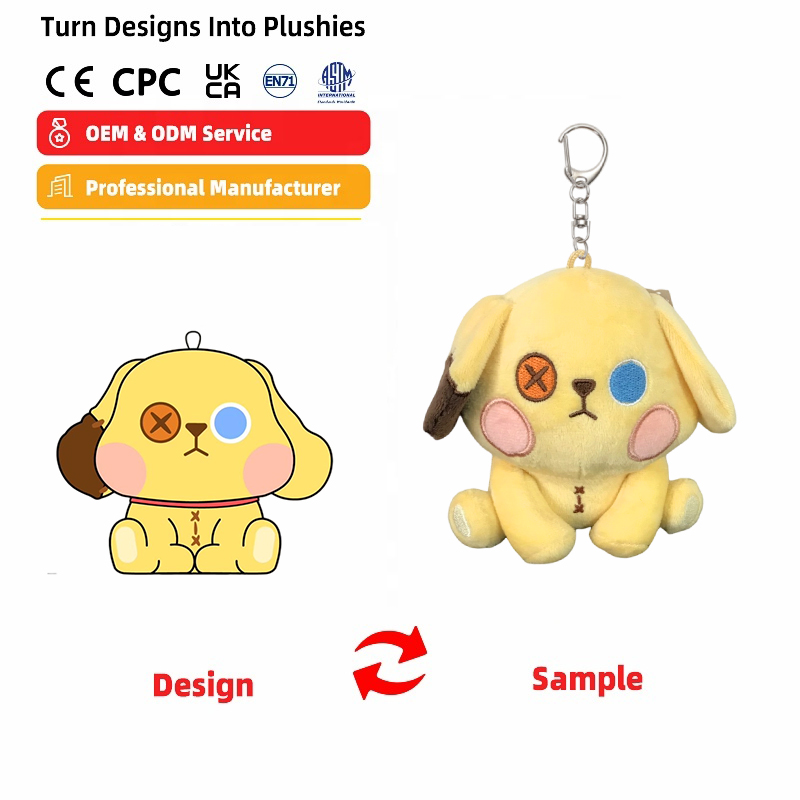
Packaging, Labeling, and Delivery
Packaging Design and Label Application
Custom animal plush products receive final packaging that protects the toy during shipping while presenting an attractive retail appearance. Manufacturers apply hang tags, certification labels, and care instruction labels that meet regulatory requirements and reflect your branding. For custom animal plush toys, many manufacturers offer custom packaging options including branded boxes, tissue wrapping, or poly bags with printed headers. Barcode labels and product information are affixed according to your specifications. This packaging phase transforms the manufactured custom animal plush into a market-ready product suitable for direct consumer delivery or retail shelf placement.
Quality Assurance Before Shipment
Prior to shipping, a final quality assurance checkpoint examines packaged custom animal plush units to ensure labels are correctly applied, packaging is undamaged, and all documentation is accurate. Manufacturers conduct statistical sampling where they open and inspect random units from each production batch to confirm internal quality matches external appearance. For custom animal plush orders intended for international markets, manufacturers verify that all shipping documents, certifications, and compliance paperwork are complete and accurate. This final verification stage prevents costly returns and ensures your custom animal plush arrives at its destination in perfect condition, ready for sale or distribution.
FAQ
How long does custom animal plush production typically take from design to delivery?
The timeline for custom animal plush production varies based on complexity and order volume. Design approval and first sampling typically requires two to four weeks, while mass production of custom animal plush can range from four to eight weeks depending on batch size, fabric availability, and customization requests. International shipping adds an additional one to three weeks. Many manufacturers can accelerate custom animal plush timelines for expedited orders, though this often incurs additional fees. Planning ahead and communicating clear deadlines ensures your custom animal plush reaches the market on schedule.
What quality standards must custom animal plush meet before shipping?
Custom animal plush products must comply with safety standards such as ASTM F963 for general toy safety, EN71 for European markets, and various country-specific regulations for children's products. The custom animal plush must pass tensile testing on seams and limbs to ensure they withstand normal play stresses without tearing or separating. Fabric must be tested for colorfastness, filling materials must be hypoallergenic and non-toxic, and small components like eyes must be permanently secured. Manufacturers document all compliance testing results to provide to retailers or regulatory bodies, ensuring your custom animal plush meets legal requirements across target markets.
Can manufacturers make adjustments to custom animal plush during production?
Significant modifications to custom animal plush after production begins can be expensive and time-consuming because it may require redesigning patterns, adjusting cutting dies, or retraining assembly workers. Minor adjustments such as changing thread color, adjusting embroidery details, or modifying packaging can often be accommodated with minimal impact. However, structural changes like altering limb proportions or body size require returning to the sampling phase, which delays the entire production schedule. This is why thorough design approval and sampling before mass production of custom animal plush is essential to avoid costly revisions and delays.