EN
EN
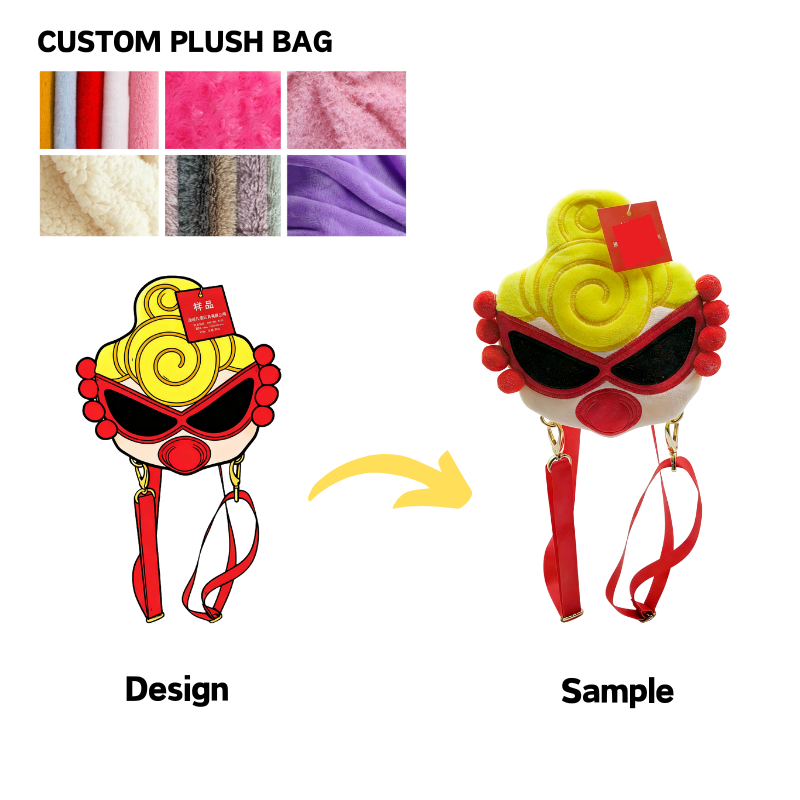
The custom plush manufacturing industry has evolved significantly in recent years, driven by increased demand from businesses, educational institutions, and entertainment companies seeking personalized promotional items and branded merchandise. Understanding the production timeline for custom plush toys is crucial for clients planning marketing campaigns, product launches, or special events that require these unique promotional tools.
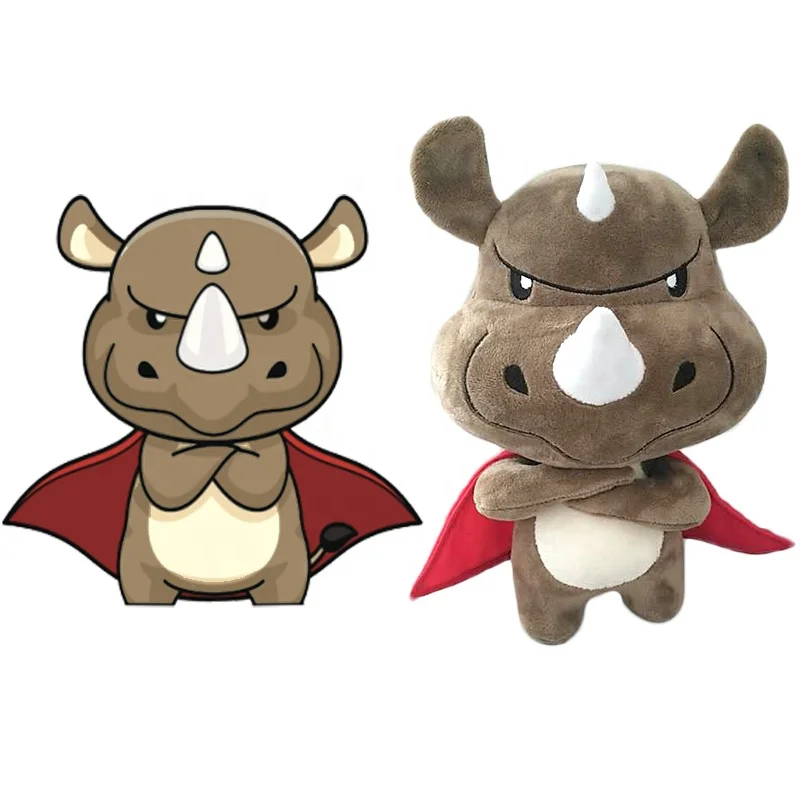
Manufacturing timelines for personalized stuffed animals vary considerably based on multiple factors including design complexity, order quantity, material specifications, and manufacturer capabilities. Most professional custom plush manufacturers require between four to eight weeks to complete a standard order from initial design approval to final delivery. However, this timeframe can extend significantly for complex projects or during peak production seasons.
The production process involves several distinct phases, each contributing to the overall manufacturing timeline. Design development typically requires one to two weeks, during which manufacturers create detailed technical drawings and prototypes. Material sourcing and preparation can add another week to the schedule, particularly when specific fabrics or safety-certified materials are required for the custom plush project.
Design and Development Phase
Initial Concept Creation
The design phase represents the foundation of any successful custom plush project, requiring careful collaboration between clients and manufacturers to transform initial concepts into production-ready specifications. Professional manufacturers typically begin with detailed consultations to understand client requirements, target audience considerations, and specific design preferences that will influence the final product outcome.
During this initial stage, experienced designers create preliminary sketches and digital mockups that capture the essential characteristics of the proposed custom plush toy. These visual representations help clients visualize the final product while allowing manufacturers to identify potential production challenges or design modifications that may be necessary for optimal manufacturing efficiency.
Material selection occurs simultaneously with design development, as different fabric types, filling materials, and safety features can significantly impact both production timelines and manufacturing costs. Manufacturers must ensure all selected materials comply with relevant safety standards and regulations, particularly for custom plush toys intended for children or educational environments.
Prototype Development
Prototype creation typically requires three to five business days once the initial design receives client approval, allowing manufacturers to create physical samples that demonstrate construction quality, material feel, and overall product aesthetics. These prototypes serve as critical reference points for both quality control and final production specifications.
The prototype review process enables clients to request modifications or refinements before committing to full-scale production, potentially preventing costly changes during later manufacturing stages. Professional custom plush manufacturers encourage thorough prototype evaluation, as detailed feedback during this phase ensures the final product meets or exceeds client expectations.
Advanced manufacturers may provide multiple prototype iterations to accommodate client feedback and design improvements, though each additional revision can extend the overall project timeline by several days. Clear communication and specific feedback during this phase help minimize revision cycles and maintain production schedules.
Production Planning and Material Sourcing
Supply Chain Coordination
Effective supply chain management plays a crucial role in determining custom plush production timelines, as manufacturers must coordinate fabric sourcing, filling material procurement, and accessory acquisition to ensure uninterrupted production flows. Established manufacturers typically maintain relationships with reliable suppliers to minimize material sourcing delays and quality inconsistencies.
Specialized materials or unique fabric requirements may necessitate extended sourcing periods, particularly when custom colors or textures are specified for the project. Manufacturers often recommend standard material options to clients seeking shorter production timelines, as readily available materials eliminate potential sourcing delays.
Quality assurance protocols require thorough material inspection and testing before production begins, ensuring all components meet safety standards and client specifications. This quality control process typically adds two to three days to the overall timeline but prevents potential issues during manufacturing or delivery phases.
Production Scheduling
Manufacturing facilities must carefully schedule custom plush production to balance multiple client orders while maintaining quality standards and delivery commitments. Seasonal demand fluctuations, particularly during holiday periods, can significantly impact production schedules and extend manufacturing timelines for new orders.
Order quantity directly influences production scheduling, as larger orders may require dedicated production runs and extended manufacturing periods. Conversely, smaller quantities might be scheduled alongside similar projects to optimize production efficiency and reduce per-unit costs for clients.
Rush order accommodations are sometimes available for time-sensitive projects, though expedited production typically involves additional costs and may require simplified design specifications. Clients planning promotional campaigns or events should discuss timeline requirements early in the consultation process to ensure adequate production scheduling.
Manufacturing and Quality Control
Assembly Process
The actual manufacturing process for custom plush toys involves multiple skilled craftspeople working through various assembly stages, from initial cutting and sewing to final stuffing and finishing details. Professional manufacturers utilize specialized equipment and experienced seamsters to ensure consistent quality across entire production runs.
Complex designs featuring multiple colors, intricate details, or electronic components require additional assembly time and specialized expertise, potentially extending production schedules by several days. Manufacturers typically provide detailed timeline estimates based on specific design complexity during the initial consultation process.
Quality checkpoints throughout the assembly process help identify and address potential issues before completion, ensuring each custom plush toy meets established quality standards. These inspection procedures contribute to overall production timelines but significantly reduce the likelihood of defective products or client dissatisfaction.
Final Inspection and Packaging
Comprehensive final inspection procedures ensure every custom plush toy meets safety standards, quality specifications, and client requirements before packaging and shipment. Experienced quality control personnel examine each product for construction integrity, material consistency, and aesthetic accuracy according to approved prototypes.
Packaging specifications can influence final production timelines, particularly when custom packaging, individual gift boxes, or specialized labeling requirements are specified. Standard poly bag packaging typically adds minimal time to production schedules, while custom packaging solutions may require additional coordination and processing time.
Documentation and compliance verification for international shipments or specific industry requirements may extend final processing by one to two days. Manufacturers experienced in global shipping typically streamline these procedures to minimize delays while ensuring full compliance with applicable regulations.
Factors Affecting Production Timeline
Design Complexity
Design complexity represents one of the most significant factors influencing custom plush production timelines, as intricate details, multiple colors, and specialized features require additional manufacturing time and expertise. Simple designs featuring basic shapes and standard materials typically require shorter production periods compared to complex character reproductions or detailed mascot designs.
Electronic components, sound modules, or interactive features add substantial complexity to custom plush projects, requiring specialized assembly techniques and extended testing procedures. These advanced features often double or triple standard production timelines while requiring additional safety certifications and quality testing protocols.
Embroidered details, applique elements, and precise color matching requirements extend production schedules due to specialized equipment needs and skilled craftsmanship requirements. Clients should discuss design complexity implications with manufacturers during initial consultations to establish realistic timeline expectations.
Order Quantity and Seasonality
Order quantity significantly impacts custom plush production scheduling, as larger orders may require dedicated production lines and extended manufacturing periods to ensure consistent quality across the entire run. Minimum order quantities often reflect optimal production efficiency thresholds for manufacturers.
Seasonal demand patterns affect production capacity and scheduling availability, with peak periods during spring promotion seasons and pre-holiday manufacturing creating extended lead times for new orders. Planning custom plush projects outside peak seasons often results in shorter production timelines and potentially better pricing opportunities.
Production capacity limitations during busy periods may extend standard timelines by several weeks, making early project planning essential for time-sensitive promotional campaigns or event requirements. Experienced manufacturers typically provide seasonal planning guidance to help clients optimize their project timing.
Expedited Production Options
Rush Order Services
Many professional custom plush manufacturers offer expedited production services for time-sensitive projects, though these rush orders typically involve additional costs and may require design simplifications to accommodate compressed timelines. Rush production schedules often prioritize efficiency over complex customization options.
Expedited services may reduce standard production timelines by 30-50%, though availability depends on current production schedules and design complexity requirements. Clients requiring rush orders should contact manufacturers immediately to discuss feasibility and associated costs for their specific projects.
Design limitations for rush orders often include simplified color schemes, standard material options, and reduced customization features to enable faster production without compromising quality standards. These restrictions help manufacturers maintain quality while meeting compressed delivery requirements.
Pre-Production Planning
Effective pre-production planning can significantly reduce overall project timelines by streamlining design approval processes, material selection, and manufacturing scheduling. Clients who provide detailed specifications, approved artwork, and clear requirements enable manufacturers to begin production more quickly.
Early communication regarding project requirements, timeline expectations, and budget parameters allows manufacturers to allocate appropriate resources and production capacity for custom plush orders. This proactive approach often results in smoother production processes and more predictable delivery schedules.
Flexible timeline requirements enable manufacturers to optimize production scheduling and potentially offer better pricing for projects that can accommodate standard production flows. Clients with rigid deadlines should communicate these requirements during initial consultations to ensure feasibility.
FAQ
What is the minimum lead time for custom plush production?
The absolute minimum lead time for custom plush production is typically three to four weeks for simple designs with standard materials and small quantities. However, most manufacturers recommend allowing six to eight weeks for optimal results and to accommodate potential delays or revisions. Rush orders may be possible in emergency situations but often involve additional costs and design limitations.
Can production timelines be shortened for repeat orders?
Yes, repeat orders for identical custom plush designs typically have shorter production timelines since design development, prototyping, and material sourcing phases are eliminated. Manufacturers can often complete repeat orders in three to four weeks depending on order quantity and current production capacity. Maintaining approved specifications and avoiding modifications enables the fastest repeat production schedules.
How do material choices affect production timelines?
Standard materials readily available from manufacturer suppliers typically result in the shortest production timelines, while specialized fabrics, custom colors, or imported materials may add one to three weeks to the overall schedule. Safety-certified materials for children's products may require additional testing time, and organic or eco-friendly materials often have longer sourcing periods that can extend production schedules.
What happens if there are delays during production?
Professional custom plush manufacturers maintain communication throughout the production process and promptly notify clients of any potential delays due to material shortages, equipment issues, or quality concerns. Most manufacturers provide revised timeline estimates and work to minimize delays through expedited processing or alternative solutions. Clients should discuss contingency plans and communication protocols during the initial consultation process.