EN
EN
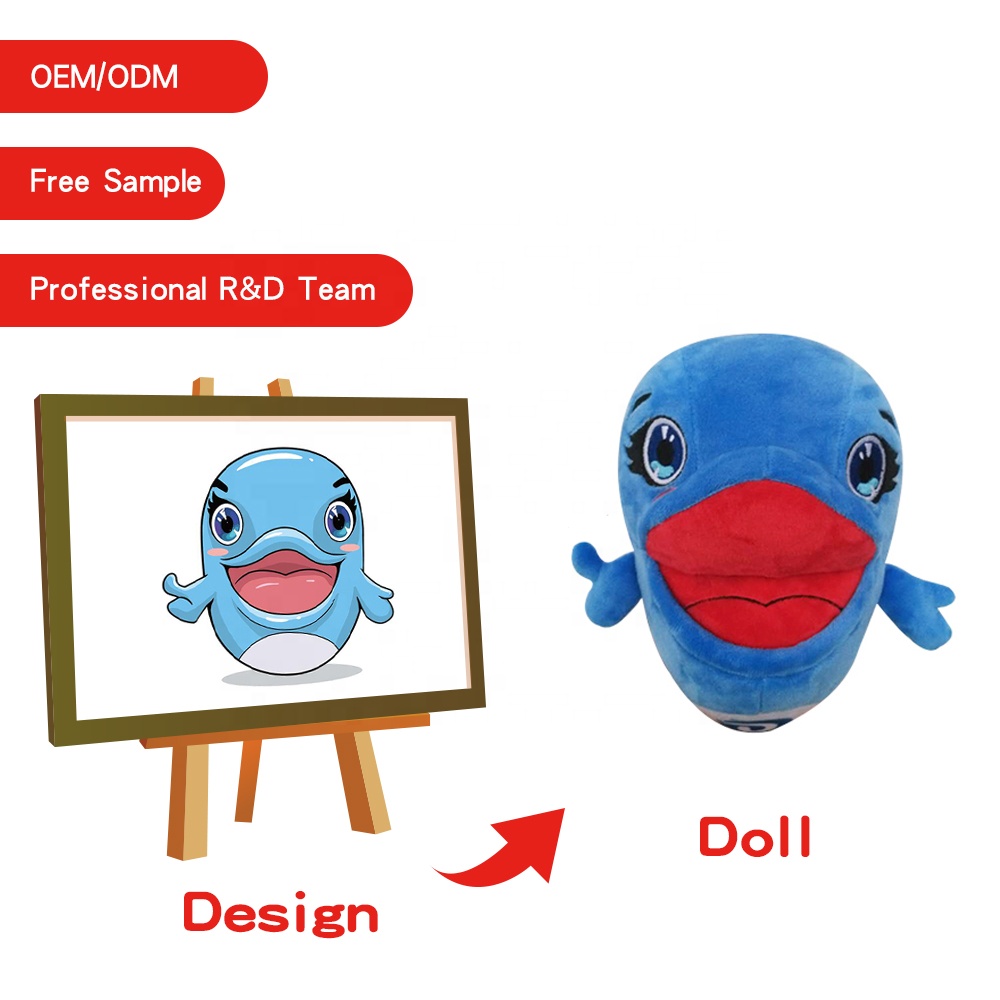
Choosing the right custom plush maker is one of the most important decisions you will make when bringing a plush toy concept to life. Whether you are a brand launching a mascot, a retailer creating exclusive merchandise, or an individual with a creative idea, the custom plush maker you select will directly shape the quality, timeline, and success of your product. With so many options available globally, knowing exactly what to look for can save you time, money, and frustration.
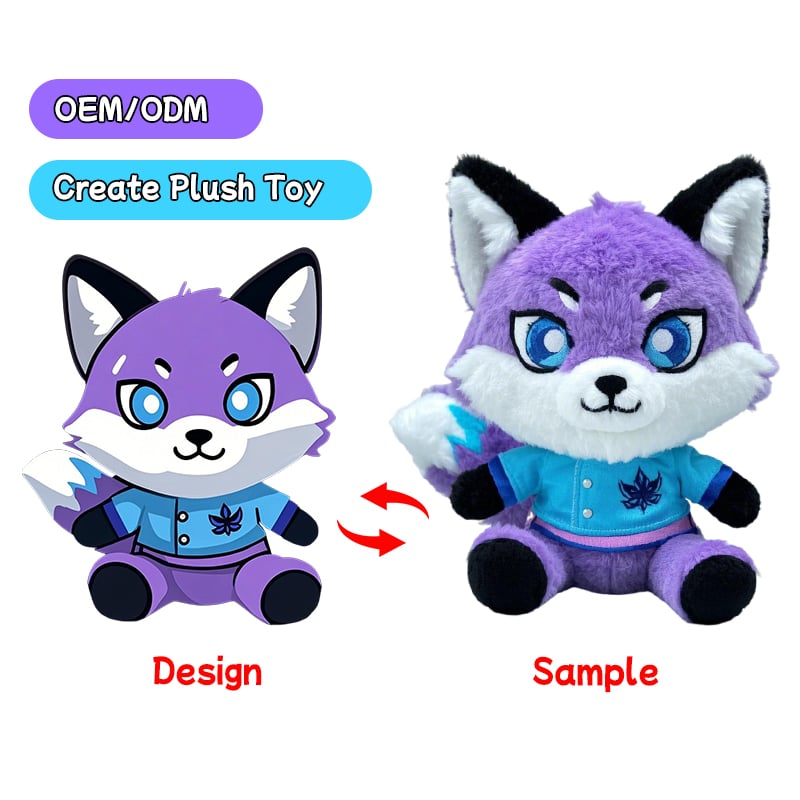
Finding a reliable custom plush maker requires more than a quick online search. It demands careful evaluation of craftsmanship standards, communication practices, minimum order requirements, and production capabilities. This guide walks you through the most critical factors so you can confidently identify the custom plush maker that fits your specific project needs, budget, and quality expectations.
Defining Your Project Needs Before Searching
Clarify Your Design and Volume Requirements
Before you approach any custom plush maker, you need a clear picture of what you actually want. This means knowing your design concept, the materials you prefer, the size range, and the quantity you plan to order. A custom plush maker that excels at small-batch artisan work may not be the right fit for a large-scale retail order, and vice versa. Defining these parameters upfront allows you to filter out unsuitable options quickly and focus your search on the custom plush maker most aligned with your production scale.
Think carefully about whether your design requires complex embroidery, unique fabric textures, safety-certified stuffing, or specialized features like sound modules. Each custom plush maker has different strengths, and identifying your non-negotiables early ensures you ask the right questions during evaluation. A well-prepared brief also signals professionalism to any custom plush maker you contact, encouraging them to respond with accurate quotes and realistic timelines.
Understand Safety and Compliance Standards
If your custom plush maker will produce toys intended for children, safety compliance is not optional. Look for a custom plush maker that is familiar with relevant standards such as EN71 in Europe or ASTM F963 in the United States. A trustworthy custom plush maker will proactively mention certifications, third-party testing partnerships, and material sourcing practices. Ignoring this step can expose your business to serious legal and reputational risks, so treat compliance as a mandatory filter when selecting a custom plush maker.
Evaluating Quality, Communication, and Sampling
Review Portfolio and Sample Quality
The portfolio of a custom plush maker tells you a great deal about what to expect. Look for variety in their past work, attention to detail in stitching and finishing, and consistency across different projects. A reputable custom plush maker will have no hesitation sharing photos, case studies, or references from previous clients. If a custom plush maker is vague about their past work or unable to provide physical or photographic samples, that is a significant warning sign worth taking seriously.
Requesting a pre-production sample from your shortlisted custom plush maker is one of the smartest steps you can take. A physical sample allows you to assess fabric feel, shape accuracy, color fidelity, and structural integrity before committing to full production. A professional custom plush maker will offer a sampling process as standard practice, even if there is a fee involved. That fee is a worthwhile investment compared to discovering quality issues after a full production run has been completed.
Assess Communication and Responsiveness
Communication quality is often underestimated when choosing a custom plush maker, but it matters enormously throughout the production process. A custom plush maker that responds promptly, asks clarifying questions, and provides detailed production updates is far more likely to deliver on time and meet your expectations. Pay close attention to how a custom plush maker handles your initial inquiry. Slow, vague, or dismissive responses at the inquiry stage often predict poor service throughout the entire project lifecycle.
Language barriers can sometimes complicate communication with an overseas custom plush maker. Look for a custom plush maker that has a dedicated client-facing team capable of communicating clearly in your language. Transparent timelines, written confirmations of design approvals, and clear revision policies are all signs of a custom plush maker that operates with professionalism and client care as priorities.
Comparing Pricing, MOQ, and Production Timelines
Understanding Minimum Order Quantities and Pricing Structures
Every custom plush maker operates with a minimum order quantity, often referred to as MOQ. This figure can vary widely, with some custom plush makers requiring orders of several hundred units while others cater to smaller runs. Understanding the MOQ of each custom plush maker you evaluate is essential for matching production capacity to your budget. Be cautious of any custom plush maker that offers unusually low prices with no MOQ, as this can indicate compromised quality control or hidden charges that appear later in the process.
Pricing from a custom plush maker should be transparent and itemized. Ask for a full breakdown that covers materials, labor, sampling fees, packaging, and shipping. A trustworthy custom plush maker will provide a detailed quote rather than a vague range. When comparing multiple quotes, remember that the cheapest custom plush maker is rarely the best choice. Evaluate total value, which includes quality assurance, communication support, and production reliability, not just the unit price.
Production Timelines and Delivery Reliability
Timelines are a critical factor when selecting a custom plush maker, especially if you have a product launch date or seasonal deadline to meet. Ask each custom plush maker for their standard lead time from design approval to delivery, and confirm what factors might cause delays. A dependable custom plush maker will give you realistic timelines backed by experience rather than optimistic estimates designed to win your business. Build a buffer into your own planning to account for unexpected production or shipping delays that even the most reliable custom plush maker can encounter.
FAQ
What is a reasonable MOQ when working with a custom plush maker?
MOQ varies widely depending on the custom plush maker. Some specialize in small runs of 50 to 100 units, while larger manufacturers may require 500 or more. Discussing MOQ early helps you find a custom plush maker that matches your budget and volume needs without overcommitting to inventory.
How long does it typically take a custom plush maker to complete an order?
Most custom plush maker projects take between 30 and 75 days from design approval to shipment, depending on complexity and order size. Always confirm the lead time with your chosen custom plush maker and factor in shipping time to your destination when planning your product launch schedule.
What should I send to a custom plush maker to get started?
To start working with a custom plush maker, prepare a clear design brief that includes reference images, desired dimensions, material preferences, and target quantity. The more detail you provide, the more accurately a custom plush maker can quote your project and produce a prototype that matches your vision.