EN
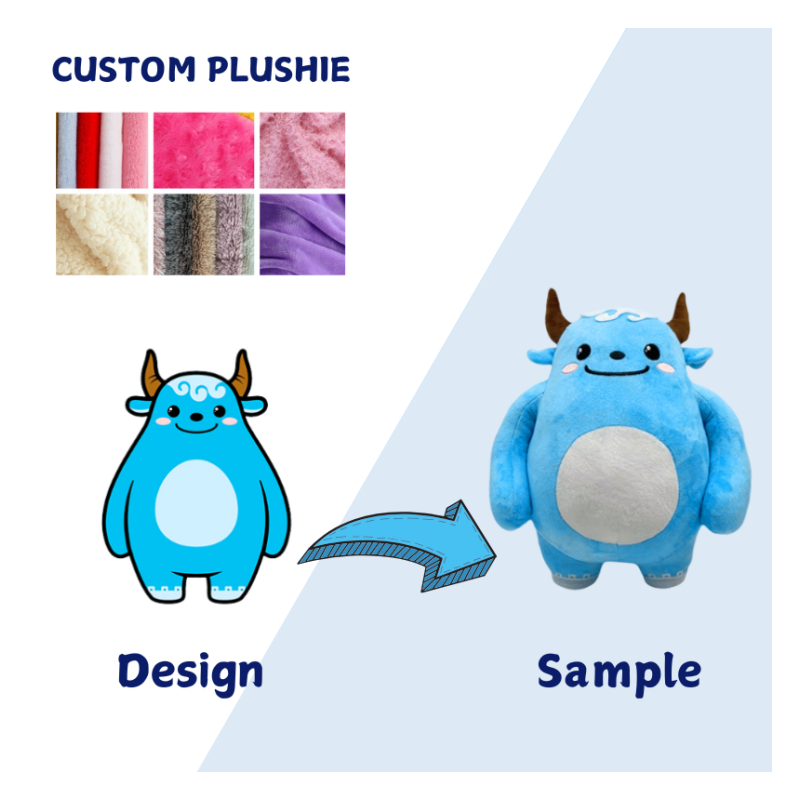
Selecting the right plush toy manufacturers is one of the most critical decisions you'll make when launching or scaling a plush toy product line. The manufacturer you choose directly impacts product quality, production timelines, cost efficiency, and ultimately customer satisfaction. Without asking the right questions upfront, you risk discovering costly problems after production has already begun. Understanding what to ask plush toy manufacturers helps you establish clear expectations, verify capabilities, and build a partnership based on transparency and mutual understanding.
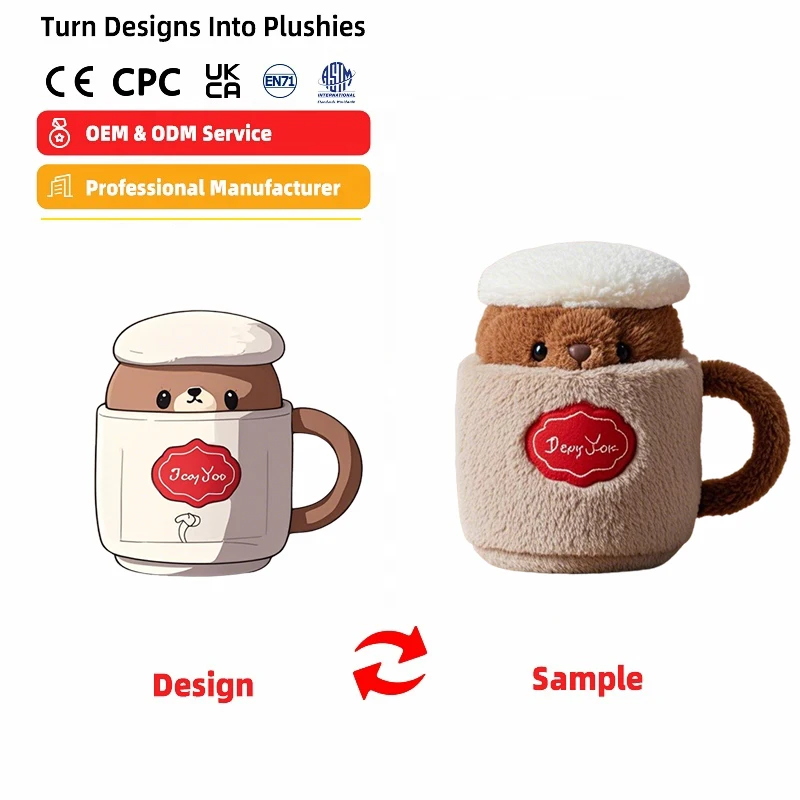
Partnering with plush toy manufacturers requires due diligence across multiple dimensions. Your questions should cover production capabilities, quality standards, regulatory compliance, pricing structures, and communication practices. The depth and honesty of their responses will reveal whether plush toy manufacturers are equipped to meet your specific requirements and whether they view your relationship as a one-time transaction or a long-term partnership. This comprehensive approach transforms the vendor selection process from guesswork into a strategic decision supported by concrete information.
Production Capabilities and Experience
What Types of Plush Toys Have You Manufactured?
When you ask plush toy manufacturers about their product experience, you're assessing their technical depth and range. Reputable plush toy manufacturers should be able to discuss specific categories they've worked with—animal plush toys, character-based designs, novelty plush toys, or premium collectible lines. The more specific their portfolio, the more confident you can be that plush toy manufacturers understand the nuances of your particular product segment. Ask for examples, case studies, or references from similar projects to verify their claimed expertise directly.
What Is Your Production Capacity and Lead Time?
Production capacity directly affects whether plush toy manufacturers can fulfill your volume requirements without compromising quality or missing deadlines. Leading plush toy manufacturers typically provide clear capacity numbers measured in units per month. Beyond raw capacity, inquire about their typical lead times from design approval to delivery, seasonal capacity fluctuations, and their ability to accommodate rush orders. Ask how many production lines they operate and whether plush toy manufacturers have backup capacity if one line encounters issues. Understanding these details prevents bottlenecks that could derail your product launch or holiday season orders.
Quality Standards and Materials
What Quality Control Processes Do You Implement?
Quality control is where the promise of plush toy manufacturers becomes reality. Ask detailed questions about inspection procedures at different production stages—incoming material inspection, in-process checks during stitching and stuffing, and final product inspection before shipment. Comprehensive plush toy manufacturers employ third-party audits, maintain detailed quality documentation, and establish clear defect thresholds. Request to see their quality assurance protocols, acceptable defect rates, and how they handle rejected batches. The specificity and robustness of their quality framework directly correlates with the consistency of what you'll receive.
What Materials and Certifications Do You Use?
Material selection determines safety, durability, and appeal of plush toys. When speaking with plush toy manufacturers, ask about the sources of their fabrics, fillings, and component materials. Are plush toy manufacturers using virgin or recycled polyester? What thread specifications do they maintain? Equally important, inquire about certifications—ASTM F963, EN 71, OEKO-TEX, or other relevant standards for your target market. Professional plush toy manufacturers maintain current certifications, can provide test reports, and understand which standards apply to your specific product and geography.
Compliance, Pricing, and Partnership Terms
What Regulatory Compliance Standards Do You Follow?
Regulatory compliance protects both your business and end consumers. Ask plush toy manufacturers directly about their compliance with toy safety regulations in major markets like the United States, European Union, Canada, and any other regions where your products will be sold. Established plush toy manufacturers maintain documentation of compliance testing, material safety data sheets, and adherence to labeling requirements. They should be familiar with regulations around choking hazards, flammability, phthalate restrictions, and allergen disclosure. Compliance expertise separates serious plush toy manufacturers from those operating with outdated or incomplete standards.
How Is Pricing Structured and What Does It Include?
Transparent pricing prevents unexpected costs later in the relationship. Ask plush toy manufacturers whether their quotes include setup fees, mold costs, sample development, packaging, labeling, or shipping. Inquire about minimum order quantities, price breaks at higher volumes, and how pricing adjusts if material costs fluctuate. Professional plush toy manufacturers provide detailed cost breakdowns that let you understand where each component of expense originates. Understand payment terms—deposit percentages, payment timing relative to production stages, and whether plush toy manufacturers require full payment before shipment or accept third-party inspections.
What Communication and Support Can We Expect?
Long-term success with plush toy manufacturers depends heavily on communication quality and responsiveness. Ask how they handle design feedback, production updates, and problem-solving during manufacturing. Will you have a dedicated account manager? How frequently will plush toy manufacturers provide production status reports? What's their timeline for responding to inquiries? Establish whether plush toy manufacturers have technical designers on staff who can advise on design feasibility, cost optimization, or material substitutions. Proactive plush toy manufacturers anticipate issues and communicate solutions before they become crises, while reactive ones only respond after problems surface.
FAQ
How do I verify that plush toy manufacturers actually have the certifications they claim?
Request specific certification documents, test reports, and audit summaries directly from the plush toy manufacturers. Many reputable plush toy manufacturers maintain current certificates from recognized testing laboratories and are happy to share documentation. You can independently verify certifications by checking with issuing bodies or requesting third-party audits at your own expense if the order size justifies it. Never accept verbal assurances alone—legitimate plush toy manufacturers have documentation readily available.
What questions should I ask about sample development before committing to full production?
Ask plush toy manufacturers about their sample creation process, including timeline, cost, and number of revisions included. Inquire whether samples use the same materials and production methods as full orders or different processes. Good plush toy manufacturers will clarify that samples should match production specifications so you're evaluating the actual product you'll receive at scale. Confirm how revisions are handled and whether approved samples become the reference standard for production batches.
How should I handle intellectual property protection when working with plush toy manufacturers?
Ask plush toy manufacturers about their intellectual property policies, including non-disclosure agreements and design ownership terms. Reputable plush toy manufacturers understand that custom designs belong to the buyer and will sign appropriate protection agreements. Discuss whether plush toy manufacturers store design files and for how long, who can access designs internally, and what happens to designs after your relationship ends. Formal IP agreements transform a casual vendor relationship into a professional partnership that respects your competitive assets.