EN
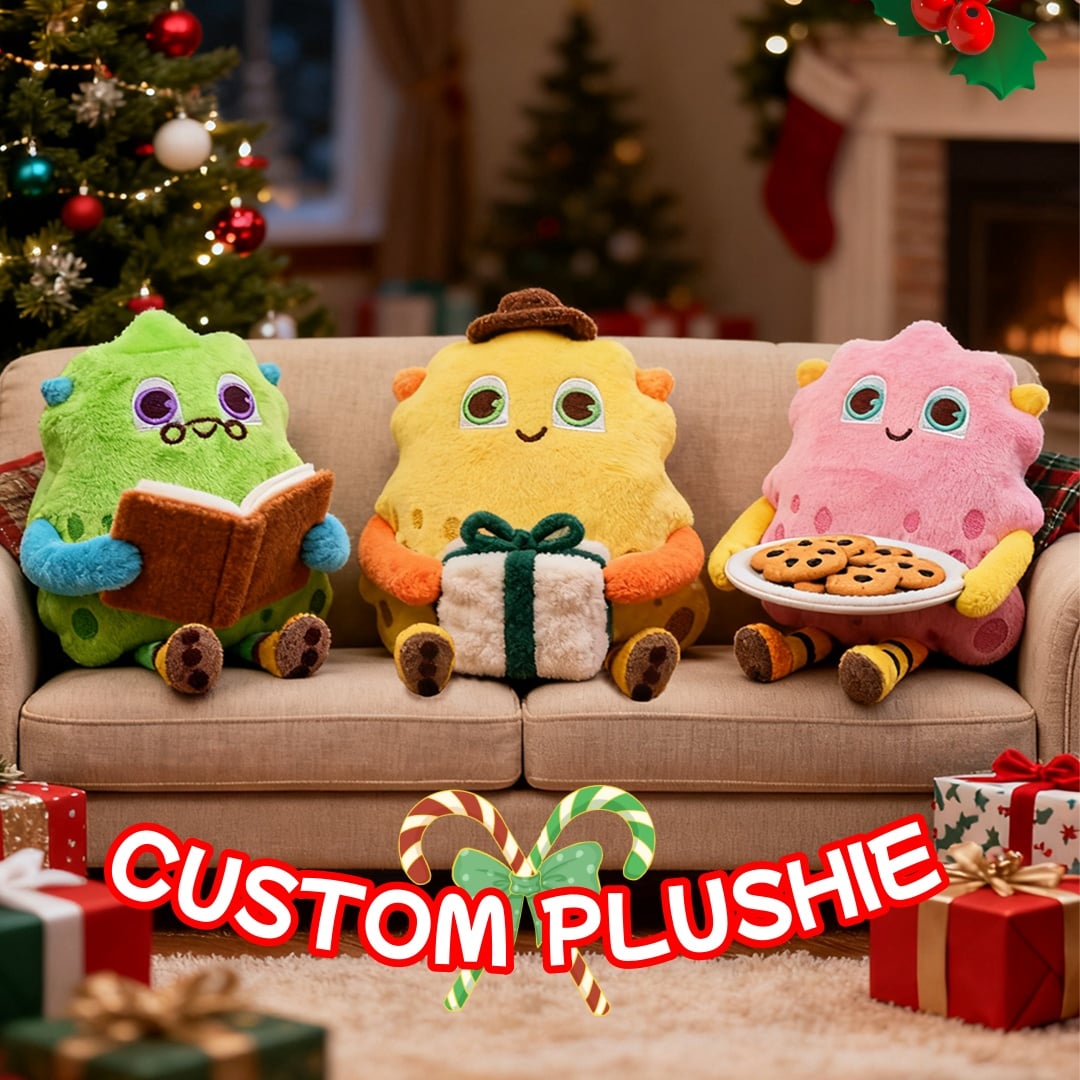
Partnering with a mascot factory is an exciting opportunity to bring brand characters to life, but many organizations enter this relationship without understanding the typical workflows, expectations, and timelines involved. Whether you're creating mascots for marketing campaigns, events, merchandise, or brand identity, knowing what a mascot factory actually delivers—and how they operate—helps set realistic goals and ensures smooth collaboration. A professional mascot factory manages complex processes involving design, prototyping, material sourcing, manufacturing, quality control, and logistics, all while balancing your creative vision with technical feasibility and budget constraints.

Understanding the structure, capabilities, and realistic expectations of a mascot factory operation allows you to communicate more effectively, plan project timelines accurately, and ultimately receive mascot products that align with your brand standards and business objectives. This guide walks through the key phases, common challenges, quality benchmarks, and practical considerations you should anticipate when working with a professional mascot factory.
The Design and Development Phase
Initial Concept Review and Refinement
When you first contact a mascot factory, the team begins by understanding your vision, brand guidelines, target audience, and functional requirements. A reputable mascot factory will ask detailed questions about the mascot's intended use—whether it's a plush toy, costume character, inflatable, or collectible figurine—because this dramatically affects design approach, material selection, and production methods. During this phase, the mascot factory design team creates initial sketches and digital renderings based on your briefs and feedback, iterating until the overall silhouette, facial features, color palette, and proportions align with your expectations.
Sample Development and Revision Cycles
Most professional mascot factory operations produce physical samples or prototypes before full production begins. These samples let you evaluate material quality, stitching durability, color accuracy, size proportions, and overall tactile experience. A quality mascot factory typically builds in revision cycles during this stage, allowing you to request adjustments to seam placement, stuffing density, embroidery details, or fabric choices. Some mascot factory partners offer rapid prototyping services that can produce initial samples within one to two weeks, though more complex designs may require longer lead times.
Production Timeline and Capacity Planning
Lead Times and Manufacturing Schedules
A mascot factory typically operates on specific production schedules rather than immediate on-demand manufacturing. Understanding these timelines is critical for project planning. Once your design is finalized and approved, expect a mascot factory to require four to eight weeks for bulk production runs, depending on order volume, complexity, and seasonal demand. Custom materials, special embroidery, or bespoke accessories can extend timelines within a mascot factory operation. Always confirm lead times directly with your mascot factory partner, especially if your project has fixed launch dates or promotional deadlines.
Minimum Order Quantities and Batch Efficiency
Most mascot factory operations enforce minimum order quantities, typically ranging from 500 to 5000 units depending on the mascot type and customization level. These minimums exist because a mascot factory must set up machinery, cut patterns, prepare embroidery files, and configure production stations for each specific design. Smaller orders significantly increase per-unit costs within a mascot factory structure. However, some specialized mascot factory partners now offer lower minimums through shared production slots or semi-customization models, which is worth exploring if your volume needs are modest.
Quality Standards and Material Specifications
Material Selection and Safety Compliance
A professional mascot factory offers various fabric, filling, and accessory options that comply with relevant safety standards—including CPSC regulations for children's products if applicable. When evaluating a mascot factory partner, confirm their material sourcing practices, third-party testing certifications, and compliance documentation. Quality-focused mascot factory operations maintain material specification sheets, batch traceability, and can produce certifications proving non-toxic dyes, flame-retardant treatments, or hypoallergenic properties if required. Don't assume a mascot factory automatically meets your safety or quality standards; explicit verification is essential.
Quality Assurance Testing and Defect Rates
Reputable mascot factory partners implement multi-stage quality control checkpoints throughout production. This includes inspecting incoming materials, monitoring stitching and embroidery accuracy, verifying stuffing consistency, checking seam strength, and conducting final visual inspections before packaging. A strong mascot factory will define acceptable defect rates, typically targeting less than 2 to 3 percent across batches. When selecting a mascot factory, ask about their quality metrics, inspection procedures, and what happens if defect rates exceed agreed thresholds—whether they offer replacements, credits, or rework options.
Cost Structure and Customization Trade-offs
Pricing Models and Hidden Costs
A mascot factory typically quotes per-unit pricing that covers materials, labor, and standard production overhead. However, additional costs can arise from setup fees, custom embroidery, special packaging, rush processing, or international shipping. Understanding your mascot factory's full cost structure upfront prevents budget surprises. Some mascot factory operations include design services in their quotes, while others charge separately for extensive design revisions or artwork development. Always request an itemized quote from your mascot factory that breaks down materials, labor, design, packaging, and logistics separately.
Customization Complexity and Technical Constraints
While a mascot factory can handle remarkable customization, certain design elements carry technical or cost implications. Extremely detailed embroidery, hand-stitched components, rare fabric options, or unusual shapes may require your mascot factory to source specialty materials or hire skilled artisans, driving up costs and extending timelines. A well-established mascot factory will communicate these constraints clearly during design discussions, offering alternative solutions that maintain your brand vision while staying within operational and budget parameters. The best mascot factory partnerships involve honest conversations about what's technically feasible and cost-effective versus what requires premium investment.
FAQ
How long does a typical mascot factory take to deliver finished products?
Most mascot factory operations require four to eight weeks for bulk production after design approval, not including sample development or design refinement phases. Initial sample production typically takes one to three weeks. Exact timelines depend on order volume, design complexity, material availability, and the mascot factory's current production queue. Always confirm specific lead times when requesting a quote, especially if your campaign or event has fixed deadlines.
What minimum order quantities does a typical mascot factory require?
Minimum order quantities at a mascot factory usually range from 500 to 5000 units, depending on the mascot type and customization level. Lower minimums increase per-unit costs because the mascot factory must set up machinery and production lines for smaller batches. Some mascot factory partners now offer flexible minimums through semi-customization or shared production options, so it's worth asking about alternatives if your volume needs are smaller than standard minimums.
How does a mascot factory handle quality control and defects?
A reputable mascot factory implements multi-stage quality inspections covering materials, stitching, embroidery, stuffing consistency, and final packaging. Most mascot factory operations target defect rates below 2 to 3 percent and define replacement or credit policies for batches exceeding those thresholds. When evaluating a mascot factory partner, request details on their inspection procedures, quality metrics, and what recourse exists if products don't meet agreed standards. Request samples and third-party testing certifications if your mascot factory product requires safety compliance documentation.
Making Your Mascot Factory Partnership Successful
Working effectively with a mascot factory requires clear communication, realistic expectations, and proactive planning from the start. Provide detailed brand guidelines, reference images, and functional specifications to your mascot factory team. Review samples carefully before committing to bulk production, and don't hesitate to request revisions during the prototyping phase—this is far less expensive than discovering issues after manufacturing thousands of units. A professional mascot factory views itself as a partner in bringing your vision to life, not just a cost center. When you choose a mascot factory that prioritizes communication, quality, and technical excellence, the result is mascot products that strengthen your brand identity and deliver genuine value to your audiences. Establishing this collaborative relationship from your initial inquiry will make the entire mascot factory experience smoother and more rewarding for everyone involved.