EN
EN

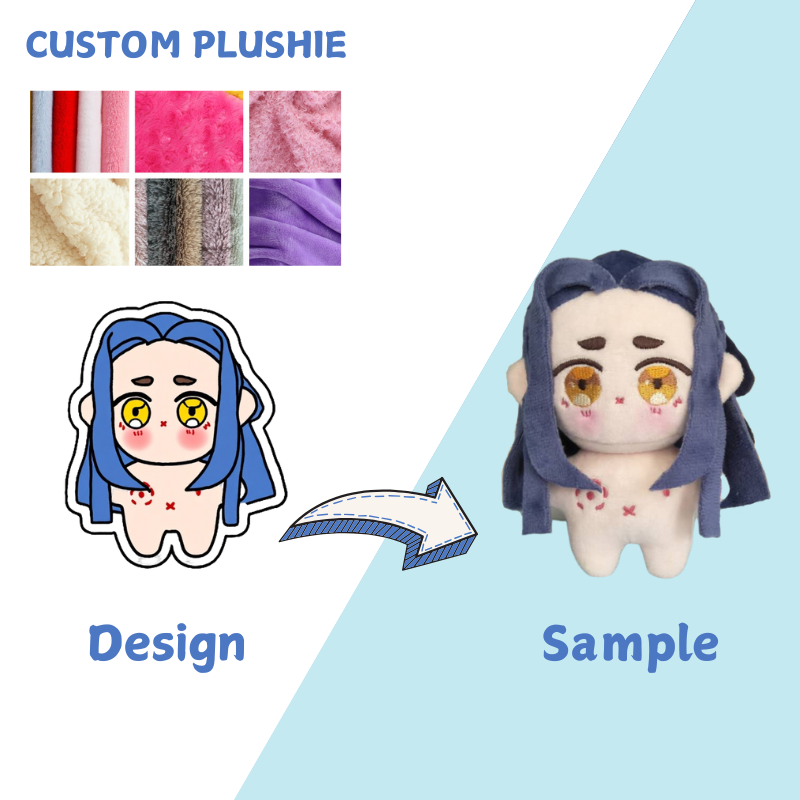
Planning a corporate event, promotional campaign, or brand activation requires meticulous attention to timing, especially when incorporating custom plush dolls into your strategy. These soft, customizable items serve as powerful marketing tools that create lasting impressions on attendees while reinforcing brand identity. Understanding the optimal ordering timeline for custom plush dolls ensures your event runs smoothly without last-minute complications or rushed production that compromises quality. The decision of when to place your order depends on multiple factors including production complexity, shipping logistics, design finalization processes, and seasonal demand patterns that affect manufacturer capacity.
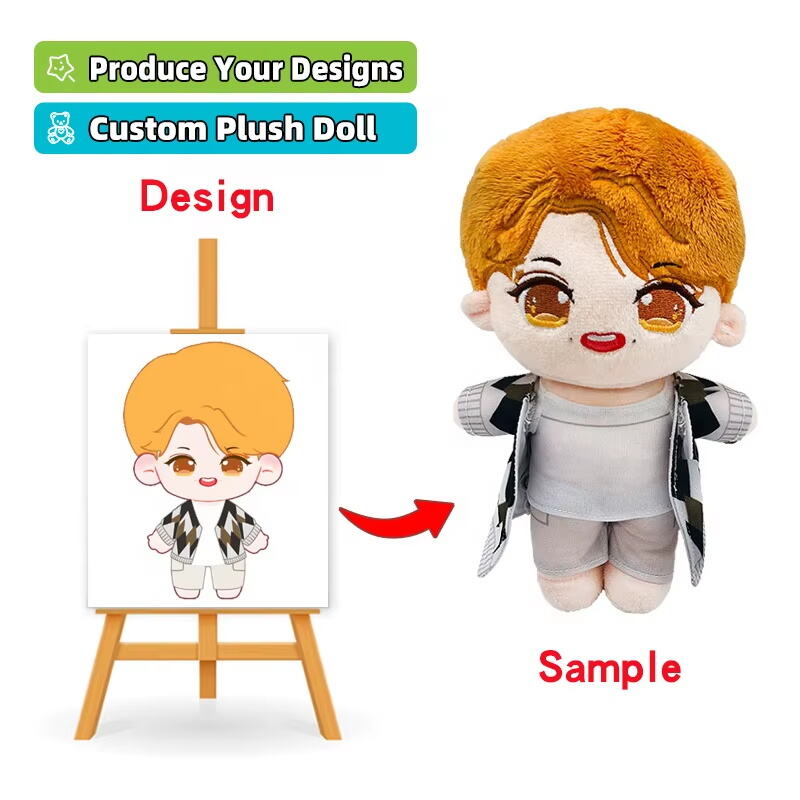
The timing of your custom plush dolls order can make the difference between a memorable event experience and a logistical nightmare. Production lead times vary significantly based on order quantity, design complexity, material sourcing requirements, and factory schedules. Event planners who understand these variables position themselves to receive high-quality products that align perfectly with their event timelines. This comprehensive guide explores the critical timing considerations, production phases, seasonal factors, and strategic planning approaches that determine when you should initiate your custom plush dolls order to ensure successful event execution.
Understanding Production Lead Times for Custom Plush Dolls
Standard Manufacturing Timelines and Phases
The production of custom plush dolls follows a multi-stage process that requires careful time allocation for each phase. Initial design consultation and concept approval typically consume one to two weeks, during which manufacturers translate your vision into technical specifications and sample prototypes. This phase proves critical because revisions at later stages cause significant delays and cost increases. Once designs receive final approval, pattern making and material sourcing begin, requiring an additional one to two weeks depending on fabric availability and special material requirements.
Manufacturing itself represents the most time-intensive phase, with production timelines ranging from three to eight weeks for custom plush dolls depending on order complexity and quantity. Simple designs with standard materials and smaller quantities often complete faster, while intricate designs featuring multiple fabric types, embroidered details, or specialized accessories extend production schedules. Quality control inspections, packaging, and final preparation add another week to the timeline. Understanding these sequential phases helps event planners establish realistic ordering deadlines that accommodate unforeseen delays while maintaining buffer time before event dates.
Variables That Extend Production Timelines
Several factors can significantly extend the standard production timeline for custom plush dolls, making early ordering essential for event success. Complex design elements such as intricate embroidery, multi-color patterns, unique shape requirements, or custom accessories increase manufacturing time by two to four weeks. Material sourcing challenges, particularly for specialty fabrics, imported textiles, or eco-friendly materials, can delay production starts by one to three weeks if inventory requires replenishment from suppliers.
Large order quantities naturally extend production schedules since manufacturers must allocate more machine time and labor resources to complete your custom plush dolls. Orders exceeding five thousand units may require four to six additional weeks compared to smaller batches. Factory capacity fluctuations during peak seasons, typically occurring before major holidays and retail cycles, create scheduling bottlenecks that add two to six weeks to standard timelines. Communication delays during the approval process, revision requests, or specification changes can each add one to two weeks, emphasizing the importance of clear initial briefs and prompt decision-making throughout the production cycle.
Seasonal Considerations and Peak Demand Periods
Holiday Season Impact on Production Capacity
The toy and promotional products manufacturing industry experiences pronounced seasonal demand patterns that dramatically affect custom plush dolls production capacity and lead times. The period from August through November represents peak season as retailers, corporate clients, and event organizers prepare for year-end holidays, promotional campaigns, and corporate gifting programs. During these months, manufacturer capacity reaches maximum utilization, causing standard lead times to extend by thirty to fifty percent. Event planners targeting December events should initiate orders no later than early July to secure production slots and avoid rushed manufacturing.
Chinese New Year celebrations, typically occurring between late January and mid-February, create another significant production disruption affecting custom plush dolls manufacturing. Factories close for two to four weeks during this period, with reduced capacity persisting for several weeks afterward as workers return gradually. Orders required for February through early April events should be placed before mid-November to ensure completion before factory closures. Summer months from June through August generally offer more flexible production capacity, making this period ideal for planning fall event materials with comfortable lead times and potentially better pricing negotiations.
Event Calendar and Industry-Specific Peak Times
Different industries and event types follow predictable calendars that create concentrated demand for custom plush dolls during specific periods. Trade show season, particularly prominent in spring and fall, generates substantial orders from exhibitors seeking memorable booth giveaways. Companies planning trade show participation should order custom plush dolls at least four months before event dates to avoid competing with numerous other exhibitors for limited production capacity during these concentrated periods.
Academic institutions and youth organizations typically order promotional items including custom plush dolls for graduation ceremonies, orientation events, and fundraising campaigns that cluster around May-June and August-September. Sports organizations require mascot-related merchandise before season openers, creating demand spikes in late summer for fall sports and late winter for spring activities. Corporate anniversary celebrations, product launches, and brand milestone events occur throughout the year but often concentrate around fiscal year-ends. Understanding your industry's event calendar enables strategic timing that avoids peak demand periods when manufacturers face capacity constraints and extended lead times for custom plush dolls production.
Order Quantity and Complexity Considerations
How Volume Affects Recommended Ordering Windows
Order quantity significantly influences the appropriate timeline for placing custom plush dolls orders, with larger volumes requiring progressively earlier planning. Small orders ranging from one hundred to five hundred units typically require minimum lead times of six to eight weeks under normal production conditions. These smaller batches often fit into manufacturer schedules more flexibly, allowing for somewhat shorter planning horizons, though event planners should still add buffer time for unexpected complications.
Medium-volume orders between five hundred and two thousand custom plush dolls necessitate ten to twelve weeks advance ordering to ensure adequate production scheduling and quality control. These quantities require dedicated production runs that manufacturers must plan into their capacity allocation, making early commitment essential. Large orders exceeding two thousand units demand fourteen to sixteen weeks minimum lead time, with quantities above five thousand potentially requiring four to five months advance notice. Manufacturers must coordinate material procurement, production line allocation, and quality assurance processes for large volumes, making early ordering critical for maintaining quality standards while meeting event deadlines.
Design Complexity and Customization Level Impact
The complexity of your custom plush dolls design directly correlates with required production time and consequently affects optimal ordering timelines. Simple designs featuring basic shapes, single-color fabrics, minimal embroidered details, and standard sizes complete faster, typically requiring standard lead times in the six to ten week range. These straightforward custom plush dolls allow manufacturers to utilize existing patterns and streamlined production processes that reduce manufacturing complexity.
Moderate complexity designs incorporating multiple fabric types, detailed embroidery, custom shapes, or specialized features like removable accessories require additional production time of two to four weeks beyond standard timelines. High-complexity custom plush dolls featuring intricate three-dimensional shapes, extensive embroidered details, special materials, electronic components, or unique mechanical features demand twelve to sixteen weeks minimum production time. Event planners should order highly complex designs at least four to five months before event dates to accommodate pattern development, sample revisions, specialized material sourcing, and careful quality control processes that ensure finished products meet exact specifications.
Strategic Planning Timeline for Different Event Types
Corporate Events and Brand Activations
Corporate events including conferences, product launches, annual meetings, and brand activations benefit from strategic early ordering of custom plush dolls that allows ample time for design refinement and stakeholder approval. Large corporate conferences planned six to twelve months in advance should initiate custom plush dolls orders four to five months before the event date. This timeline accommodates multiple approval layers common in corporate environments, allows for sample review and potential revisions, and provides buffer time for shipping and distribution logistics.
Product launch events where custom plush dolls serve as promotional items or mascot representations require particularly careful timing aligned with product development cycles. Orders should commence three to four months before launch dates, coordinating design elements with product branding, packaging, and marketing materials that may still be under development. Brand activation campaigns spanning multiple locations or extended time periods benefit from even earlier ordering, ideally five to six months in advance, ensuring consistent quality across all produced custom plush dolls and allowing for phased delivery to different event locations as needed.
Trade Shows and Exhibitions
Trade shows and industry exhibitions present unique timing challenges since booth materials including custom plush dolls must arrive before setup dates with no flexibility for delays. Exhibitors should place orders for custom plush dolls at least four months before trade show dates, accounting for the concentrated demand period when numerous exhibitors simultaneously order promotional materials. This early timeline proves especially critical for major industry events where hundreds of companies compete for manufacturer capacity during the same production window.
International trade shows requiring shipping to overseas venues demand extended lead times of five to six months to accommodate international logistics, customs clearance, and potential shipping delays. Event planners should coordinate custom plush dolls delivery with other booth materials, considering consolidated shipping options that reduce costs while ensuring all components arrive simultaneously. Having custom plush dolls delivered two to three weeks before exhibition dates provides security against shipping delays while allowing time for quantity verification, quality inspection, and proper storage before distribution during the event.
Fundraising Events and Non-Profit Campaigns
Fundraising events and non-profit campaigns utilizing custom plush dolls as donor incentives, auction items, or awareness tools require timing that balances budget constraints with adequate production schedules. Organizations should initiate orders three to four months before fundraising events, allowing time for design approval by board members or committees while securing competitive pricing through early commitment. This timeline also permits sample review to ensure custom plush dolls appropriately represent organizational branding and mission before full production begins.
Annual fundraising campaigns or recurring awareness events benefit from establishing ongoing relationships with manufacturers and planning custom plush dolls orders on predictable annual cycles. Ordering six months in advance for recurring events enables organizations to negotiate volume discounts, secure consistent quality year over year, and reduce administrative burden through streamlined reorder processes. Non-profit organizations operating with volunteer committees should add extra buffer time to accommodate slower decision-making processes, aiming for four to five months advance ordering to prevent rushed approvals that compromise design quality or force acceptance of suboptimal production timelines.
Risk Mitigation and Contingency Planning
Building Adequate Buffer Time
Prudent event planning incorporates buffer time beyond minimum production lead times to protect against unforeseen complications in custom plush dolls manufacturing and delivery. A standard buffer of two to four weeks beyond manufacturer-quoted lead times provides protection against common delays including material sourcing issues, minor quality control corrections, weather-related shipping disruptions, and communication gaps. Events with inflexible dates or high visibility should incorporate even more generous buffers of four to six weeks to ensure custom plush dolls arrive with time for inspection and contingency reordering if quality issues arise.
First-time orders with new manufacturers warrant additional buffer time since unfamiliarity with your expectations may require design iterations and specification clarifications that extend timelines. Adding three to four weeks beyond standard lead times for inaugural orders with unfamiliar suppliers reduces risk while allowing relationship-building time that benefits future orders. International shipping introduces variables including customs delays, documentation requirements, and transportation disruptions that justify two to three weeks additional buffer beyond domestic shipping timelines for custom plush dolls destined for overseas events.
Sample Review and Approval Processes
Incorporating formal sample review stages into your ordering timeline prevents costly production errors and ensures custom plush dolls meet exact specifications before full manufacturing begins. Request initial samples four to five months before event dates, allowing two weeks for sample production, one week for shipping, and one to two weeks for stakeholder review and approval. This schedule accommodates potential revision requests that require second sample iterations, each adding two to three weeks to the overall timeline.
Organizations with multiple approval stakeholders should establish clear decision-making processes and timelines before ordering custom plush dolls to prevent review bottlenecks that delay production starts. Designate specific individuals with approval authority and set firm response deadlines of three to five business days for sample reviews. Consider ordering slightly larger sample quantities that allow simultaneous review by geographically dispersed stakeholders, reducing sequential review time. Building these approval processes into your ordering timeline ensures custom plush dolls receive proper scrutiny while maintaining production schedules that deliver finished products well before event dates.
FAQ
What is the absolute minimum lead time for ordering custom plush dolls?
The absolute minimum lead time for custom plush dolls typically ranges from six to eight weeks for simple designs and small quantities under normal production conditions. This compressed timeline assumes immediate design approval without revisions, standard materials already in manufacturer inventory, and domestic shipping. However, ordering at minimum lead times carries substantial risk since any complication including design changes, material delays, quality issues, or shipping disruptions will cause missed deadlines. Most experienced event planners recommend adding at least four weeks buffer beyond minimum lead times to protect against common delays and ensure custom plush dolls arrive with adequate time for inspection before events.
How does ordering during peak season affect custom plush dolls production timelines?
Peak manufacturing seasons including pre-holiday periods from August through November and pre-Chinese New Year periods from October through December significantly extend production timelines for custom plush dolls by thirty to fifty percent beyond standard lead times. During these periods, manufacturer capacity reaches maximum utilization as numerous clients compete for limited production slots. Standard eight-week lead times may extend to twelve or fourteen weeks during peak seasons. Event planners should add six to eight weeks to standard timelines when ordering custom plush dolls for delivery during or immediately after peak periods. Ordering five to six months in advance for holiday season events ensures production slots while avoiding premium rush fees and quality compromises associated with compressed peak-season schedules.
Can I expedite production if my event timeline is shorter than standard lead times?
Rush production of custom plush dolls is sometimes possible for urgent timelines, though it typically incurs premium fees of twenty to fifty percent above standard pricing and may compromise design complexity or quality control thoroughness. Manufacturers can occasionally accommodate rush orders of four to six weeks for simple designs and smaller quantities by prioritizing your order within existing production schedules. However, very short timelines under four weeks rarely produce satisfactory results since critical phases including design finalization, material sourcing, and quality assurance cannot be adequately compressed without risking substandard outcomes. Rather than relying on rush production, event planners should establish relationships with manufacturers well in advance and maintain realistic ordering timelines that allow proper production processes to deliver high-quality custom plush dolls.
Should I order extra custom plush dolls beyond my estimated event needs?
Ordering ten to fifteen percent additional custom plush dolls beyond estimated event needs provides valuable insurance against distribution miscalculations, unexpected attendance increases, or future promotional opportunities. This modest overorder proves cost-effective since per-unit pricing decreases with volume, and the incremental cost of extra units remains minimal compared to rush reordering expenses if quantities prove insufficient. Extra custom plush dolls serve as valuable backstock for follow-up marketing campaigns, employee gifts, or future smaller events, extending the value of your initial investment. However, avoid overordering beyond twenty percent unless you have confirmed plans for surplus inventory, as excessive unused custom plush dolls create storage costs and waste that offset volume pricing benefits.
Table of Contents
- Understanding Production Lead Times for Custom Plush Dolls
- Seasonal Considerations and Peak Demand Periods
- Order Quantity and Complexity Considerations
- Strategic Planning Timeline for Different Event Types
- Risk Mitigation and Contingency Planning
-
FAQ
- What is the absolute minimum lead time for ordering custom plush dolls?
- How does ordering during peak season affect custom plush dolls production timelines?
- Can I expedite production if my event timeline is shorter than standard lead times?
- Should I order extra custom plush dolls beyond my estimated event needs?