EN

How To Choose The Appropriate Fabric For Plush Toys?
Fabric is the soul of a custom plush toy. It decides the hand feel, appearance, durability, safety, final cost and whether your design can be presented perfectly. Many buyers focus only on character artwork while ignoring fabric selection, which often leads to unexpected issues: heavy shedding, blurry embroidery/printing, failed safety tests, or a finished plush that feels nothing like the sample.
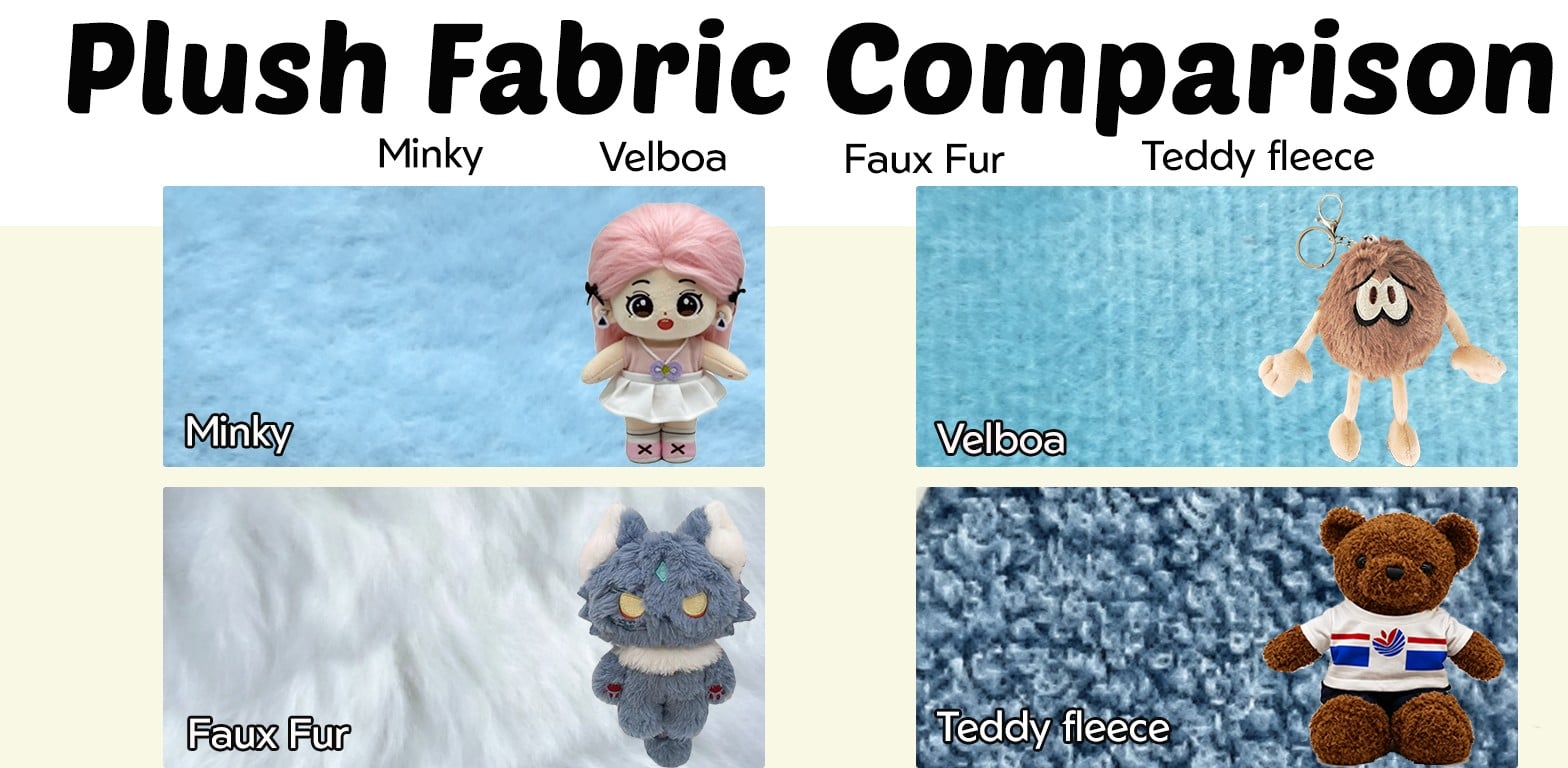
Main Fabric Types for Custom Plush Toys
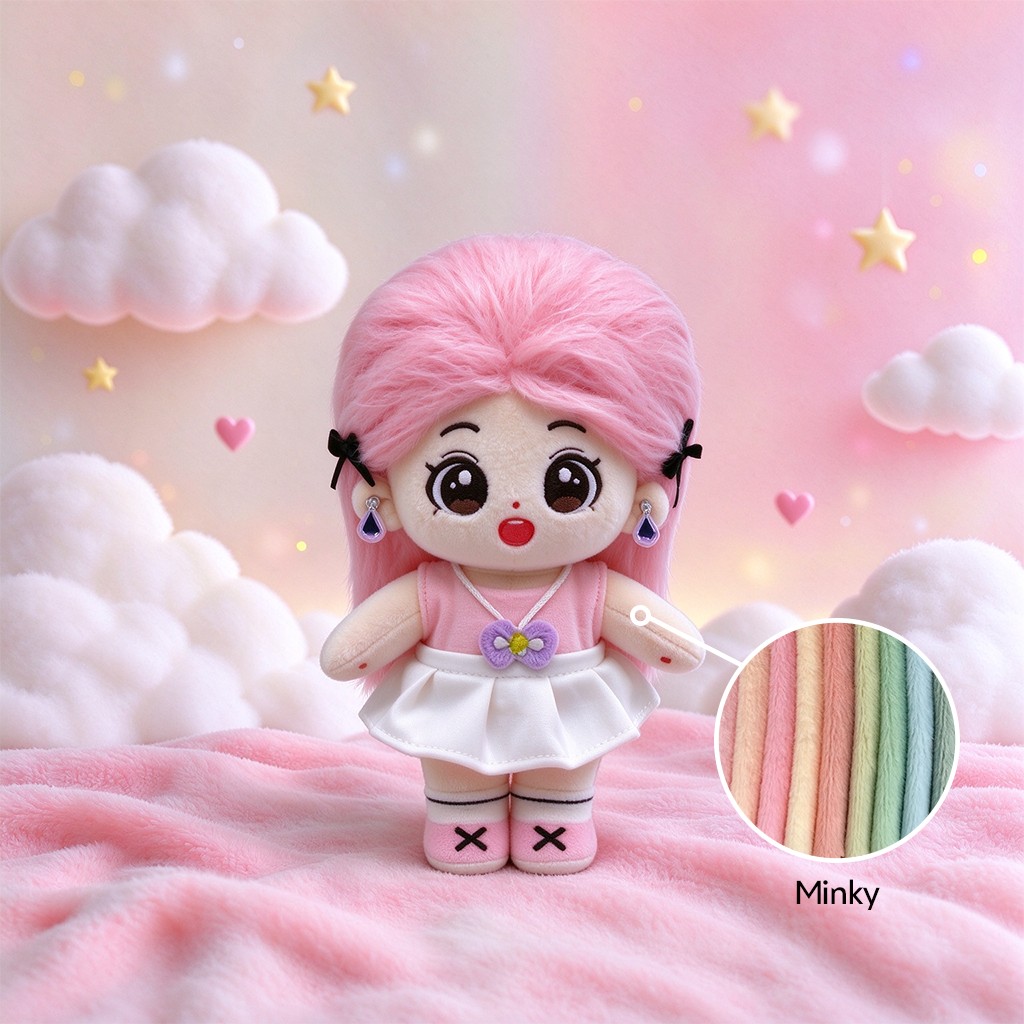
1.Minky
Minky is the premium short-pile polyester fabric widely used in high-end plush and baby-safe toys. It is ultra-smooth, buttery soft with low shedding, good color fastness and stable performance for embroidery and sublimation printing, though it costs more and is sensitive to pile direction, which may lead to color shift if cut incorrectly. It works best for baby plush, collector dolls, IP character plush and comfort hug toys with a pile range of 1~3 mm.
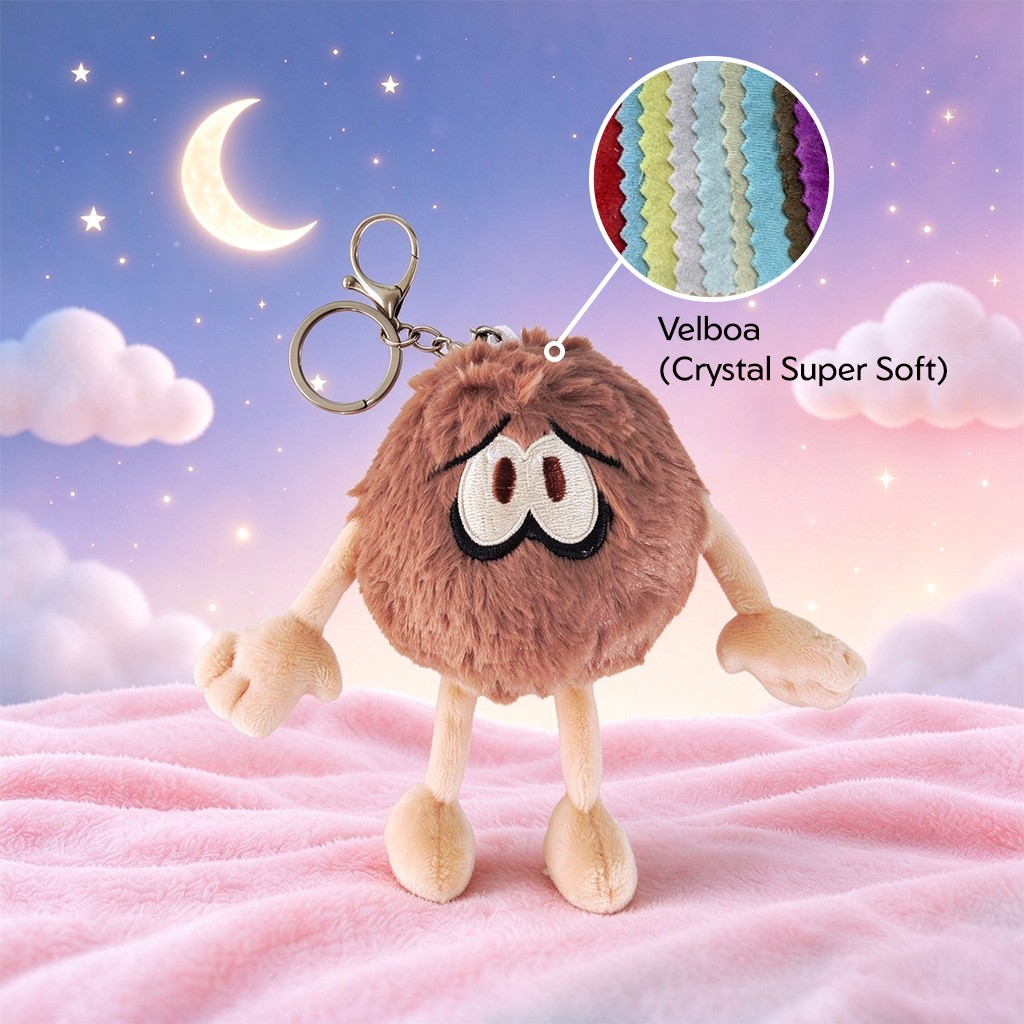
2.Velboa (Crystal Super Soft)
Velboa is the most popular general-purpose fabric for mass custom plush. It has dense short pile to keep details sharp, is affordable, easy to sew and has minimal linting, while it is less fluffy than minky. It is ideal for standard character plush, mascots, small keychain plush and promotional gifts with a pile range of 1.5~4 mm.
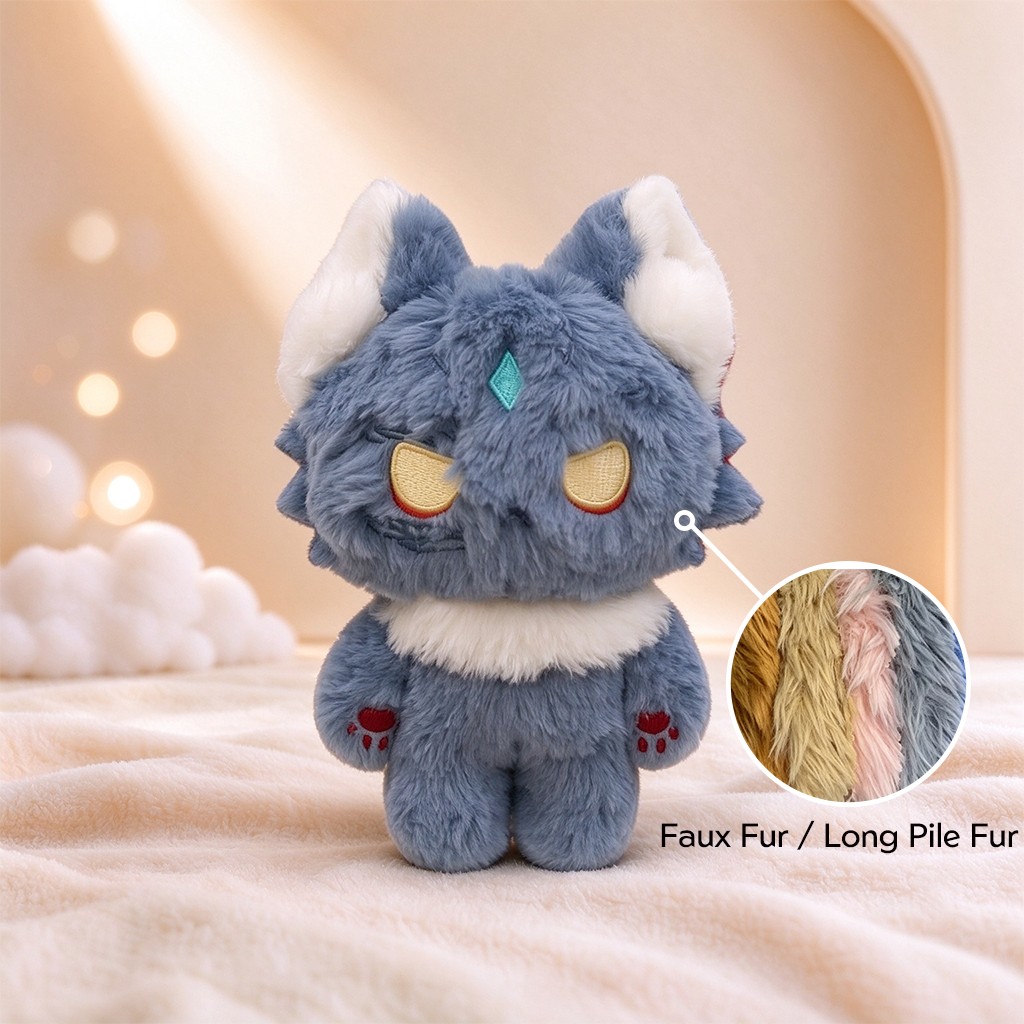
3.Faux Fur / Long Pile Fur
Faux fur can create realistic animal effects with eye-catching visual impact, but it sheds easily, makes delicate facial embroidery hard to present and carries higher safety risks for young kids. It is great for realistic animal plush, cosplay props and display collectibles and is not recommended for infants.
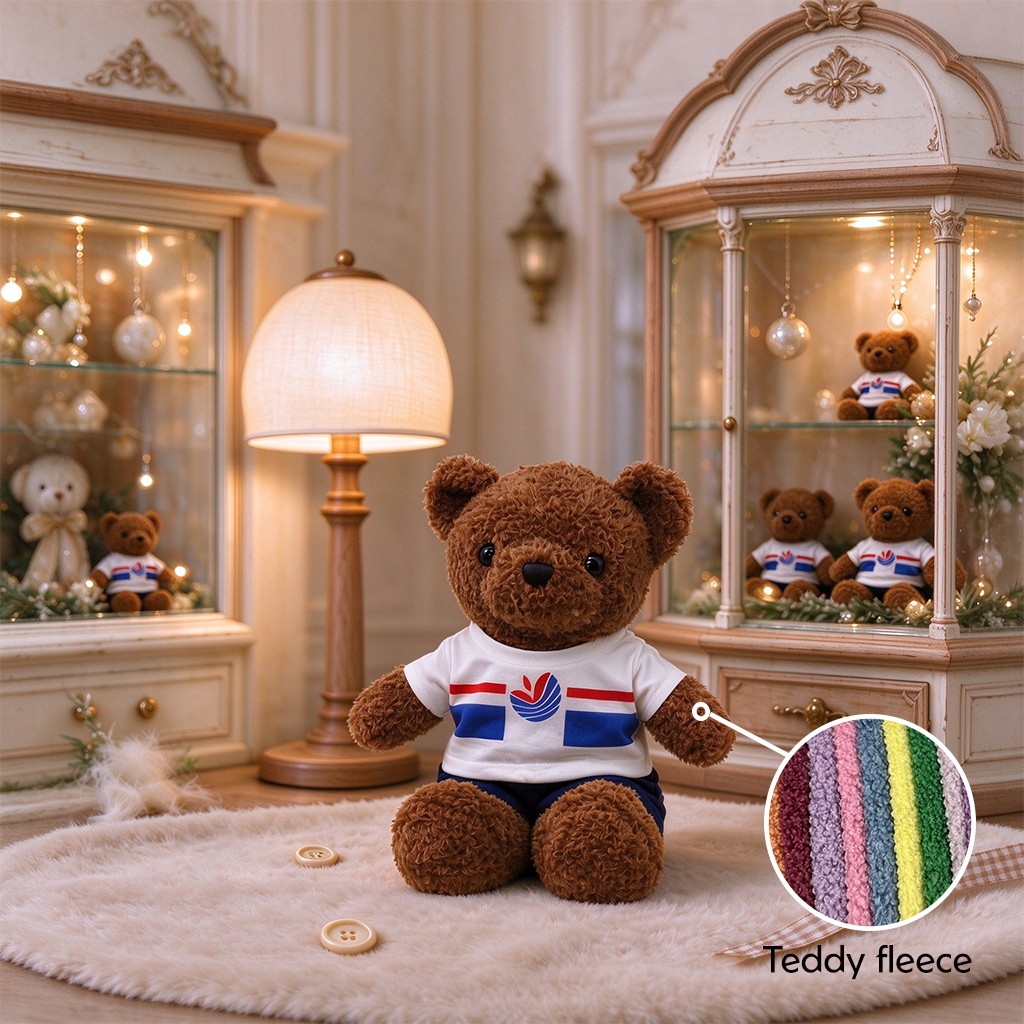
4.Teddy fleece
Teddy fleece is the classic cost-effective fabric for bulk orders. It features a fluffy classic look, abundant color options and balanced pricing, yet it has a slightly higher shedding risk than velboa and minky. It fits teddy bears, animal plush, budget retail lines and event giveaway plush.
Common Mistakes to Avoid
1.Choosing long faux fur for infant plush — high choking hazard.
2.Picking fluffy long-pile fabric for designs with tiny embroidery faces.
3.Ignoring pile direction: minky and velboa will show uneven color if cut against the nap.
4.Only comparing sample photos without testing shedding and color fastness.
5.Assuming one fabric fits all markets; EU and US safety rules differ.
There is no single“best fabric”for custom plush. The perfect fabric balances your target audience, design details, budget, and regional safety compliance. When you match fabric correctly, your plush will deliver the expected touch, look, and quality, while avoiding costly safety and production issues.