EN
EN

In today's competitive marketplace, businesses are constantly seeking innovative ways to connect with their customers on an emotional level and foster long-term relationships. Custom plush toys have emerged as a powerful tool for building brand loyalty, offering a unique combination of emotional appeal, practicality, and memorable branding opportunities. These soft, cuddly companions transcend age barriers and create lasting impressions that traditional marketing materials simply cannot achieve. Companies across various industries are discovering that custom plush toys serve as tangible representations of their brand values, creating emotional connections that drive customer retention and advocacy.
The Psychology Behind Custom Plush Toys and Brand Attachment
Emotional Connection Through Tactile Experiences
The human brain is wired to form emotional attachments to soft, comforting objects from early childhood. This psychological phenomenon extends well into adulthood, making custom plush toys incredibly effective brand ambassadors. When customers receive a branded plush toy, they experience a multisensory interaction that engages touch, sight, and emotional memory centers simultaneously. The soft texture and appealing design trigger positive emotions that become associated with the brand, creating a lasting psychological connection that transcends typical marketing approaches.
Research in consumer psychology demonstrates that tactile experiences significantly influence purchasing decisions and brand preference. Custom plush toys capitalize on this by providing a physical touchpoint that customers can hold, squeeze, and interact with repeatedly. Each interaction reinforces the brand message and strengthens the emotional bond between the customer and the company. This repeated exposure through tactile engagement creates neural pathways that associate comfort and positivity with the brand, leading to increased loyalty and preference over competitors.
The Role of Nostalgia in Brand Loyalty
Nostalgia marketing has proven to be exceptionally effective in building brand loyalty, and custom plush toys naturally tap into this powerful emotional trigger. Most adults have positive memories associated with stuffed animals from their childhood, and receiving a branded plush toy can instantly transport them back to those feelings of safety, comfort, and joy. This nostalgic connection creates an immediate positive association with the brand that is difficult to replicate through other marketing channels.
The nostalgic appeal of custom plush toys extends beyond individual memories to encompass cultural and generational experiences. Companies that successfully integrate nostalgic elements into their plush toy designs can tap into shared cultural memories and create a sense of belonging among their customer base. This collective nostalgia strengthens community bonds around the brand and encourages customers to become brand advocates who share their positive experiences with others.
Practical Applications Across Industries
Healthcare and Wellness Sector Implementation
Healthcare organizations have discovered that custom plush toys serve multiple purposes beyond traditional marketing. Hospitals and clinics use branded plush toys to comfort patients, particularly children, during medical procedures while simultaneously building positive associations with their healthcare system. These toys often remain with patients long after their visit, serving as ongoing reminders of the quality care they received. The emotional comfort provided by these plush companions helps reduce anxiety and creates positive memories associated with the healthcare provider.
Mental health and wellness centers have found custom plush toys particularly effective in building trust and rapport with clients. The non-threatening, comforting presence of a branded plush toy can help create a safe space for vulnerable individuals and reinforce the organization's commitment to caring and compassion. These toys often become cherished possessions that clients associate with their journey toward better mental health, creating deep brand loyalty that extends to referrals and long-term engagement.
Corporate and B2B Marketing Strategies
Business-to-business companies are increasingly recognizing the value of custom plush toys in building relationships with corporate clients and partners. Trade shows and corporate events provide perfect opportunities to distribute branded plush toys that stand out from typical promotional materials. These memorable gifts create talking points and ensure that the brand remains visible in recipients' offices long after the initial interaction. The unique nature of plush toys in a B2B context often generates surprise and delight, making the brand more memorable and approachable.
Technology companies have successfully used custom plush toys to humanize their brands and make complex products more approachable. Software companies, in particular, have created mascot-style plush toys that represent their products or services, helping to demystify technology and create emotional connections with users. These branded companions often become beloved desk accessories that serve as constant reminders of the company's products and values, fostering ongoing loyalty and encouraging word-of-mouth recommendations.
Design Elements That Maximize Brand Impact
Strategic Color and Visual Identity Integration
The visual design of custom plush toys plays a crucial role in their effectiveness as brand loyalty tools. Successful custom plush toys seamlessly integrate brand colors, logos, and visual elements while maintaining an appealing and huggable appearance. The challenge lies in balancing commercial branding with aesthetic appeal, ensuring that the toy remains desirable as a keepsake while clearly representing the brand. Color psychology plays a significant role in this process, as different colors evoke different emotional responses that can reinforce brand messaging and values.
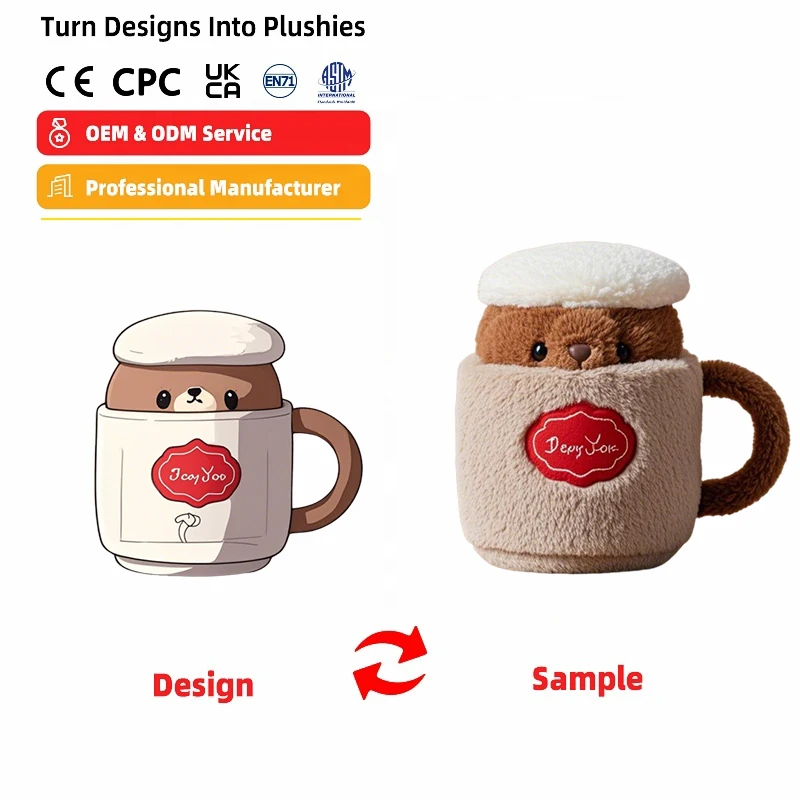
Advanced manufacturing techniques now allow for intricate detail work in custom plush toys, enabling companies to create highly accurate representations of mascots, products, or brand symbols. Embroidered logos, custom fabric patterns, and unique textures can all be incorporated to create distinctive custom plush toys that are instantly recognizable as brand ambassadors. The quality of these design elements directly impacts the perceived value of the toy and, by extension, the brand itself, making attention to detail crucial for successful implementation.
Size and Functionality Considerations
The size and functionality of custom plush toys significantly impact their effectiveness as brand loyalty tools. Smaller toys are more portable and cost-effective to produce and distribute, making them ideal for large-scale marketing campaigns and trade show giveaways. However, larger custom plush toys create a more significant presence and are more likely to be displayed prominently, increasing brand visibility over time. The decision regarding size should align with the intended use case and target audience preferences.
Modern custom plush toys can incorporate functional elements that enhance their value and utility. Features such as stress-relief properties, aromatherapy elements, or even technology integration can make the toys more engaging and useful to recipients. These functional additions not only increase the perceived value of the gift but also provide additional opportunities for brand interaction and engagement. Companies in wellness, technology, and lifestyle industries have found particular success with functionally enhanced custom plush toys that align with their product offerings.
Measuring Success and ROI of Custom Plush Toy Campaigns
Quantitative Metrics and Performance Indicators
Measuring the effectiveness of custom plush toys in building brand loyalty requires a combination of quantitative and qualitative assessment methods. Traditional metrics such as brand recall, recognition rates, and customer retention can provide valuable insights into the impact of plush toy campaigns. Companies often conduct pre- and post-campaign surveys to measure changes in brand perception and loyalty scores among recipients of custom plush toys compared to control groups who received traditional promotional materials.
Social media engagement and user-generated content provide additional measurable indicators of custom plush toy campaign success. Recipients often share photos of their branded plush toys on social platforms, creating organic brand exposure and engagement. Tracking hashtags, mentions, and shares related to custom plush toys can provide valuable data on reach and engagement levels. The longevity of social media posts featuring custom plush toys typically exceeds that of posts about traditional promotional items, indicating their lasting appeal and impact.
Long-term Brand Loyalty Assessment
The true value of custom plush toys in building brand loyalty becomes apparent over time through customer behavior analysis and lifetime value calculations. Companies that implement custom plush toy campaigns often observe increased customer retention rates, higher average order values, and more frequent repeat purchases among recipients. These behavioral changes indicate successful emotional bonding and increased brand preference, justifying the investment in custom plush toys as loyalty-building tools.
Referral rates and word-of-mouth marketing also serve as important indicators of custom plush toy campaign success. Recipients of memorable custom plush toys are more likely to recommend the brand to friends, family, and colleagues, creating organic growth opportunities. Tracking referral sources and new customer acquisition attributed to existing customers who received custom plush toys provides valuable insights into the viral marketing potential of these branded gifts.
Implementation Best Practices and Strategic Considerations
Target Audience Analysis and Segmentation
Successful custom plush toy campaigns begin with thorough target audience analysis and segmentation. Different demographic groups respond differently to custom plush toys, and understanding these preferences is crucial for campaign success. Young professionals might prefer sleek, minimalist designs that complement their workspace aesthetic, while families with children may gravitate toward more playful and colorful custom plush toys that appeal to multiple age groups within the household.
Cultural considerations also play a significant role in custom plush toy design and distribution strategies. What appeals to audiences in one geographic region may not resonate with customers in another area due to cultural differences in attitudes toward plush toys, colors, or symbolic meanings. Companies expanding internationally with custom plush toys must adapt their designs and messaging to ensure cultural appropriateness and maximum impact across diverse markets.
Distribution Channels and Timing Strategies
The effectiveness of custom plush toys in building brand loyalty depends heavily on strategic distribution and timing. Premium custom plush toys work best as rewards for loyal customers, milestone celebrations, or exclusive gifts for VIP clientele. Mass distribution of lower-cost custom plush toys can be effective for brand awareness campaigns, but may not create the same level of perceived value and emotional connection. Companies must align their distribution strategy with campaign objectives and budget constraints to maximize impact.
Seasonal timing can significantly enhance the impact of custom plush toy campaigns. Holiday seasons, back-to-school periods, and special company anniversaries provide natural opportunities for custom plush toy distribution. The gift-giving context of these occasions enhances the emotional impact and perceived value of the toys, making recipients more likely to form positive associations with the brand. Strategic timing also helps ensure that custom plush toys are received when recipients are most receptive to brand messaging and engagement.
FAQ
How long do custom plush toys typically last as effective brand ambassadors
High-quality custom plush toys can serve as brand ambassadors for many years when properly constructed with durable materials and reinforced stitching. Unlike traditional promotional items that may be discarded quickly, custom plush toys often become cherished keepsakes that remain in homes and offices for extended periods. The longevity of their brand impact depends on factors such as initial quality, emotional attachment formed by recipients, and the toy's integration into daily life. Many companies report seeing their branded plush toys displayed prominently years after initial distribution, continuing to provide brand visibility and reinforcement.
What is the typical cost range for producing custom plush toys for marketing campaigns
The cost of custom plush toys varies significantly based on size, complexity, materials, and order quantity. Simple designs in smaller quantities might range from ten to thirty dollars per unit, while larger orders of basic designs can bring costs down to three to eight dollars per piece. Complex designs with multiple colors, intricate details, or special features will increase costs accordingly. Companies should consider the lifetime value of customer relationships when evaluating the investment in custom plush toys, as the long-term brand loyalty benefits often justify higher per-unit costs compared to traditional promotional items.
Which industries see the greatest success with custom plush toy marketing campaigns
Healthcare, education, technology, and family-oriented businesses typically experience the highest success rates with custom plush toy campaigns. Healthcare organizations benefit from the comforting nature of plush toys in stressful environments, while educational institutions leverage their appeal to create school pride and alumni connections. Technology companies use custom plush toys to humanize their brands and make complex products more approachable. However, virtually any industry can successfully implement custom plush toy campaigns with proper design and distribution strategies tailored to their specific audience and objectives.
How can businesses measure the emotional impact of custom plush toys on brand loyalty
Measuring emotional impact requires a combination of direct feedback collection and behavioral analysis. Surveys and focus groups can provide qualitative insights into how recipients feel about their custom plush toys and associated brand perceptions. Social media monitoring reveals organic sharing and positive sentiment expressions. Most importantly, behavioral metrics such as increased purchase frequency, higher customer lifetime value, and improved retention rates among plush toy recipients provide concrete evidence of enhanced brand loyalty. Companies often establish control groups to compare the behavior of custom plush toy recipients against those who received traditional promotional materials for more accurate measurement.
Table of Contents
- The Psychology Behind Custom Plush Toys and Brand Attachment
- Practical Applications Across Industries
- Design Elements That Maximize Brand Impact
- Measuring Success and ROI of Custom Plush Toy Campaigns
- Implementation Best Practices and Strategic Considerations
-
FAQ
- How long do custom plush toys typically last as effective brand ambassadors
- What is the typical cost range for producing custom plush toys for marketing campaigns
- Which industries see the greatest success with custom plush toy marketing campaigns
- How can businesses measure the emotional impact of custom plush toys on brand loyalty