EN
EN
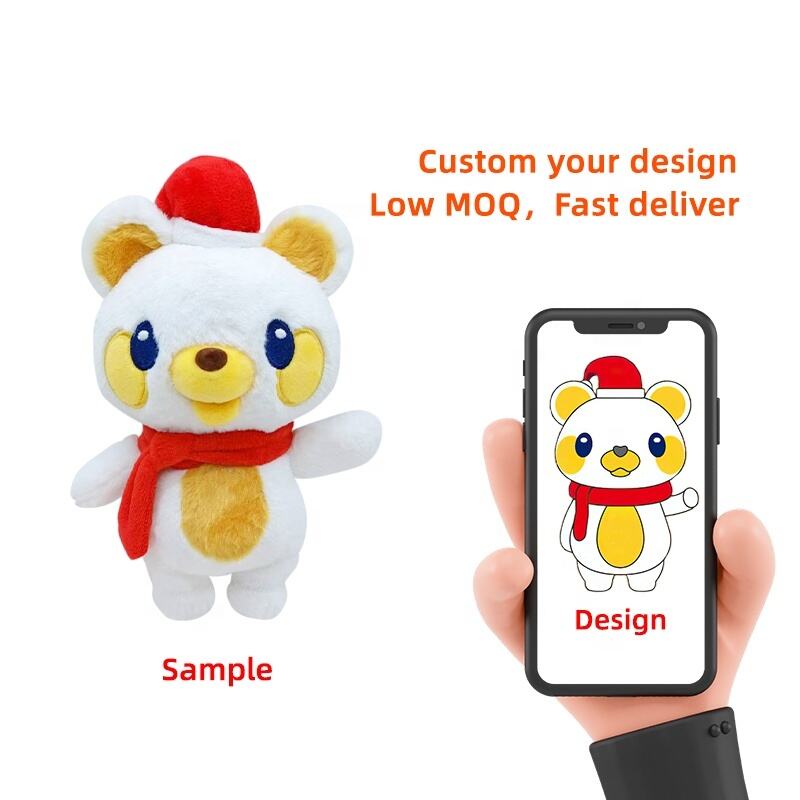
Custom stuffed animals serve as powerful educational tools that transform abstract learning concepts into tangible, interactive experiences for children. Unlike mass-produced toys, these personalized companions create unique pathways for cognitive development, emotional growth, and skill acquisition by directly connecting learning objectives with a child's individual interests and developmental needs.
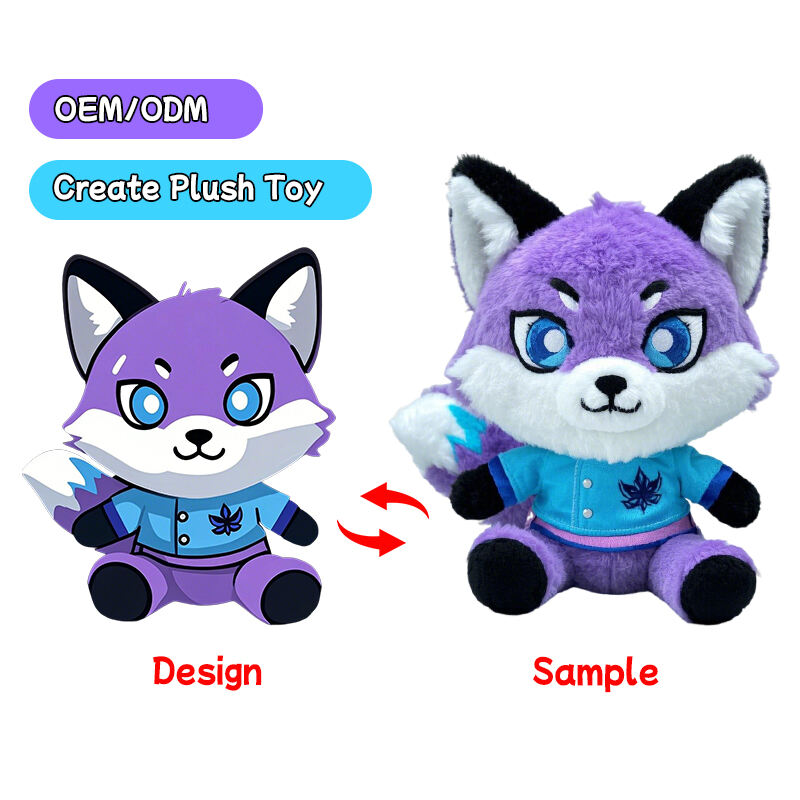
The educational impact of custom stuffed animals extends far beyond traditional play patterns, establishing deep emotional connections that enhance memory retention and motivation. Through personalized design elements, familiar characters, or meaningful symbols, these specialized learning companions activate multiple sensory channels simultaneously, creating optimal conditions for knowledge absorption and skill development across various developmental domains.
Cognitive Development Through Personalized Play
Language and Communication Enhancement
Custom stuffed animals provide exceptional opportunities for language development by encouraging children to engage in meaningful conversations with their personalized companions. Children naturally project personalities onto these specially designed toys, creating elaborate dialogues that expand vocabulary, improve sentence structure, and develop narrative skills. The personal connection established through customization motivates children to engage more deeply in verbal expression than they would with generic toys.
Research demonstrates that children who interact regularly with custom stuffed animals show improved storytelling abilities and enhanced verbal fluency. These personalized companions become confidants for practicing new words, testing sentence patterns, and exploring complex emotional expressions. The non-judgmental nature of custom stuffed animals creates safe spaces for language experimentation, allowing children to take verbal risks without fear of criticism or correction.
The customization aspect itself introduces specialized vocabulary as children learn to describe their toy's unique features, colors, textures, and accessories. This descriptive language practice builds foundational skills for academic writing and detailed communication. Children develop precision in language use as they distinguish their custom creation from similar toys, fostering attention to detail and accurate expression.
Problem-Solving and Critical Thinking
When children engage with custom stuffed animals, they naturally create complex scenarios that require problem-solving skills and logical thinking. These personalized toys become characters in elaborate play narratives where children must navigate challenges, resolve conflicts, and make strategic decisions. The personal investment in custom-designed companions intensifies engagement with these cognitive challenges.
Custom stuffed animals serve as tools for exploring cause-and-effect relationships through imaginative play sequences. Children develop hypothetical thinking skills as they predict outcomes, test theories, and adjust strategies based on results within their play scenarios. This type of abstract reasoning practice transfers directly to academic subjects like mathematics, science, and social studies where similar analytical skills are required.
The physical customization process itself presents problem-solving opportunities as children make design decisions, consider material properties, and envision final outcomes. This hands-on decision-making experience develops planning skills, sequential thinking, and quality assessment abilities that support academic achievement and practical life skills development throughout childhood and beyond.
Emotional Intelligence and Social Skills Development
Empathy and Emotional Recognition
Custom stuffed animals become powerful vehicles for developing empathy as children project emotions onto their personalized companions and practice responding to various emotional states. The personal connection fostered through customization amplifies emotional investment, making empathy development more meaningful and impactful than traditional role-play activities with generic toys.
Children learn to identify subtle emotional cues through interactions with their custom stuffed animals, developing emotional vocabulary and recognition skills that transfer to human relationships. They practice comforting behaviors, supportive responses, and appropriate emotional expressions through caregiving scenarios with their personalized companions. This emotional practice provides safe opportunities for children to explore complex feelings without interpersonal pressure.
The customization process allows children to incorporate specific emotional elements that reflect their own experiences or interests, creating deeper connections to emotional learning. Children who design custom stuffed animals representing family members, pets, or meaningful experiences develop stronger emotional processing skills and improved ability to discuss difficult feelings or challenging situations.
Social Interaction and Cooperation Skills
Custom stuffed animals facilitate social learning by serving as bridge objects during peer interactions and group play activities. Children naturally share stories about their personalized companions, creating opportunities for social connection, active listening, and respectful conversation. The unique nature of each custom creation generates genuine curiosity and promotes positive social exchanges among children.
When children collaborate on care routines or play scenarios involving their custom stuffed animals, they develop cooperation skills, negotiation abilities, and conflict resolution strategies. These personalized toys become focal points for shared experiences that require communication, compromise, and mutual respect. Children learn to balance individual preferences with group dynamics through collaborative play with their custom companions.
Custom stuffed animals also support children who experience social anxiety or difficulty with peer relationships by providing familiar comfort objects that ease social transitions. The presence of a personalized companion can reduce stress in social situations and provide conversation starters that facilitate natural interactions with other children who share similar interests or experiences.
Academic Learning Integration and Memory Enhancement
Subject-Specific Learning Applications
Custom stuffed animals can be designed to support specific academic subjects by incorporating educational elements directly into their physical features. Mathematics concepts become tangible when custom stuffed animals include counting elements, geometric patterns, or size relationships that children can manipulate and explore through hands-on interaction. Science learning advances when custom designs represent animals from different habitats, demonstrate biological features, or illustrate scientific concepts.
Reading comprehension improves significantly when children create custom stuffed animals based on book characters or story elements. This physical representation of literary content deepens understanding, improves recall, and motivates continued reading engagement. Children develop analytical skills as they consider how to translate written descriptions into three-dimensional custom designs that capture essential character traits and story elements.
History and social studies concepts gain relevance when custom stuffed animals represent historical periods, cultural traditions, or geographical regions. Children develop research skills while gathering information for their custom designs and demonstrate learning through physical creation. This multi-sensory approach to academic content creates lasting memories and deeper conceptual understanding than traditional textbook-based learning methods.
Memory Consolidation and Retrieval Strategies
The multi-sensory nature of custom stuffed animals creates powerful memory anchors that enhance information retention and recall abilities. When children associate learning content with specific visual, tactile, and emotional elements of their personalized companions, they develop multiple retrieval pathways that strengthen long-term memory formation and improve academic performance across various subjects.
Custom stuffed animals serve as memory cues during study sessions and test-taking situations, providing familiar reference points that reduce anxiety and improve recall accuracy. The emotional connection established through customization activates positive memory networks that support confident knowledge retrieval. Children who study with their custom companions often demonstrate improved performance on assessments and reduced test-related stress.
The process of designing and creating custom stuffed animals requires children to organize information, make connections between concepts, and synthesize learning into coherent physical representations. This active construction of knowledge strengthens neural pathways and improves overall learning capacity. Children develop metacognitive awareness as they reflect on their design choices and consider how different elements represent their understanding of academic content.
Creativity and Self-Expression Development
Artistic and Design Thinking Skills
The creation process for custom stuffed animals develops sophisticated design thinking skills as children consider aesthetic choices, functional requirements, and personal preferences simultaneously. This multi-dimensional decision-making process enhances creative problem-solving abilities and introduces fundamental design principles that support artistic development and innovative thinking across various domains.
Custom stuffed animals provide opportunities for children to explore color theory, pattern relationships, and spatial design concepts through hands-on experimentation. They develop visual literacy skills as they consider how different design elements communicate meaning, express personality, or evoke emotional responses. This artistic foundation supports academic achievement in subjects requiring visual analysis and creative expression.
Children who design custom stuffed animals develop confidence in their creative abilities and learn to value their unique perspectives and ideas. This positive creative experience encourages continued artistic exploration and reduces creative inhibitions that can limit learning and self-expression throughout childhood. The personal nature of custom creation validates individual creativity and promotes continued artistic risk-taking.
Identity Formation and Self-Confidence Building
Custom stuffed animals support healthy identity development by allowing children to express their interests, values, and personality traits through physical creation. The design process encourages self-reflection as children consider what elements represent their identity and how they want to express themselves through their personalized companion. This introspective practice develops self-awareness and emotional intelligence.
The ownership of a unique, personally designed custom stuffed animal builds self-confidence and validates individual creativity and decision-making abilities. Children experience pride in their creative achievements and develop positive self-regard through successful completion of their custom design vision. This confidence transfers to academic challenges and social situations where creative problem-solving and self-assurance are valuable assets.
Custom stuffed animals become tangible representations of children's capabilities and creative potential, serving as ongoing reminders of their ability to bring ideas to reality. This physical evidence of creative success encourages continued learning exploration and builds resilience when facing new challenges or difficult learning situations throughout their educational journey.
FAQ
At what age are custom stuffed animals most beneficial for learning?
Custom stuffed animals provide learning benefits across a wide age range, typically from 18 months through 12 years old. Toddlers benefit from simple customization options that support sensory development and basic language skills, while school-age children can engage with more complex designs that support academic subjects and social-emotional learning. The key is matching customization complexity to developmental capabilities while maintaining age-appropriate safety standards.
How do custom stuffed animals compare to educational toys for learning outcomes?
Custom stuffed animals often produce superior learning outcomes compared to traditional educational toys because of the personal investment and emotional connection they create. While educational toys may teach specific skills, custom stuffed animals integrate learning across multiple domains simultaneously and maintain engagement over longer periods. The customization process itself provides educational value that standard educational toys cannot match, creating deeper and more lasting learning experiences.
Can custom stuffed animals help children with special learning needs?
Yes, custom stuffed animals are particularly valuable for children with special learning needs because they can be specifically designed to address individual challenges and strengths. Children with autism spectrum disorders often benefit from the predictable, non-judgmental interaction custom stuffed animals provide, while children with learning disabilities can use them as memory aids and confidence builders. The sensory elements can be customized to meet specific therapeutic needs and preferences.
What safety considerations are important for educational custom stuffed animals?
Safety considerations for educational custom stuffed animals include age-appropriate materials, secure construction to prevent small parts from detaching, non-toxic fabrics and stuffing materials, and appropriate size for the child's age group. All customization elements should meet safety standards for children's toys, and designs should avoid small parts that could present choking hazards. Regular safety inspections ensure continued safe use throughout the learning process.
Table of Contents
- Cognitive Development Through Personalized Play
- Emotional Intelligence and Social Skills Development
- Academic Learning Integration and Memory Enhancement
- Creativity and Self-Expression Development
-
FAQ
- At what age are custom stuffed animals most beneficial for learning?
- How do custom stuffed animals compare to educational toys for learning outcomes?
- Can custom stuffed animals help children with special learning needs?
- What safety considerations are important for educational custom stuffed animals?