EN
EN
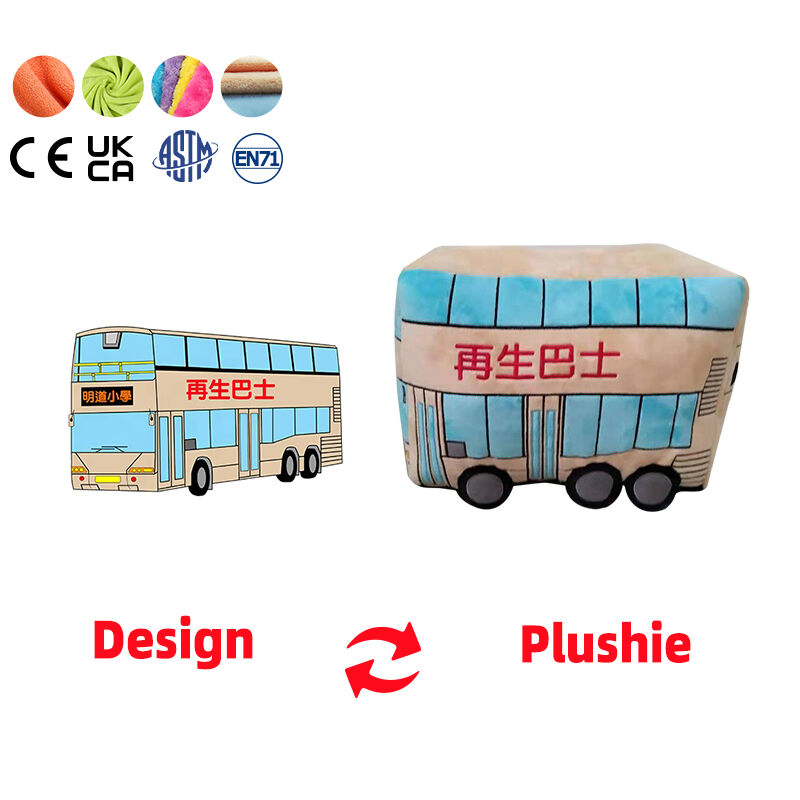
Ordering custom stuffed animals requires careful consideration of multiple factors to ensure the final product meets your expectations and serves its intended purpose effectively. Whether you're creating promotional items for your business, personalized gifts for special occasions, or unique merchandise for retail, understanding the key considerations before placing your order can save time, money, and prevent disappointment. The complexity of custom stuffed animals manufacturing means that seemingly small decisions can significantly impact the quality, cost, and timeline of your project.
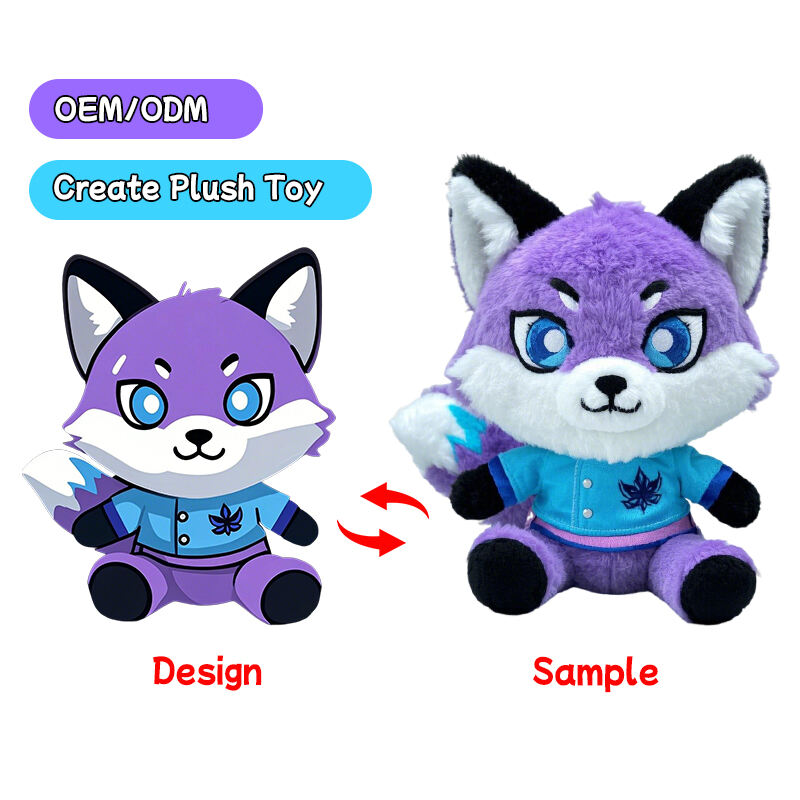
The success of your custom stuffed animals project depends on thorough planning and clear communication with your manufacturer. From design specifications and material selection to quality standards and production timelines, each decision you make will influence the outcome. This comprehensive guide explores the essential considerations that will help you navigate the ordering process confidently, ensuring your custom stuffed animals project delivers the results you envision while staying within budget and timeline constraints.
Design and Specification Requirements
Artwork and Design Clarity
The foundation of successful custom stuffed animals begins with clear, detailed design specifications. Your artwork should include precise measurements, color codes, and material preferences to eliminate ambiguity during production. Vector-based files work best for maintaining design integrity across different sizes, while high-resolution images ensure accurate color reproduction. Consider how your design will translate to a three-dimensional plush form, as some flat design elements may need adjustment to work effectively on custom stuffed animals.
Design complexity directly impacts both cost and production time for custom stuffed animals. Intricate patterns, multiple fabric types, and detailed embroidery increase manufacturing complexity and costs. Simple, clean designs often produce better results and allow for more cost-effective production. When submitting your design, include reference materials, inspiration images, and specific notes about crucial design elements that cannot be compromised.
Size and Proportion Considerations
Size selection significantly affects the overall impact and cost of your custom stuffed animals project. Larger sizes allow for more detailed design work but increase material costs and shipping expenses. Standard sizes often offer better pricing due to production efficiencies, while custom dimensions may require additional setup costs. Consider the intended use of your custom stuffed animals when selecting size – promotional items might work better in smaller formats, while collectibles or gifts may benefit from larger dimensions.
Proportion accuracy becomes crucial when creating custom stuffed animals based on existing characters or real animals. Maintain proper head-to-body ratios and ensure that design elements scale appropriately across different sizes. Some design features that work well at larger sizes may become impractical or lose detail when scaled down, requiring design modifications for smaller custom stuffed animals.
Material Selection and Quality Standards
Fabric Types and Durability
Material selection directly impacts the look, feel, and durability of your custom stuffed animals. Plush fabrics vary significantly in texture, density, and quality grades. High-quality polyester plush offers excellent durability and color retention, while specialty fabrics like minky or fleece provide unique textures but may require special handling. Consider the intended age group and use case when selecting materials – children's custom stuffed animals require safer, more durable materials than decorative items.
Fabric weight and pile height affect both appearance and manufacturing costs. Longer pile fabrics create a luxurious feel but may obscure fine details, while shorter pile allows for more precise design work. The fabric selection also influences how colors appear on the finished product, with some materials providing more vibrant color reproduction than others. Request fabric samples before finalizing your order to ensure the material meets your expectations for your custom stuffed animals.
Safety Certifications and Compliance
Safety certifications become essential when creating custom stuffed animals for children or regulated markets. CE marking, CPSIA compliance, and ASTM safety standards ensure your products meet required safety thresholds. These certifications cover flame retardancy, chemical content, small parts, and choking hazards. Factor certification costs and timeline requirements into your project planning, as safety testing can add several weeks to production schedules.
Different markets have varying safety requirements for custom stuffed animals. European markets require CE marking and EN71 compliance, while North American markets focus on CPSIA and ASTM standards. International shipping may require additional documentation and testing reports. Discuss safety requirements with your manufacturer early in the process to ensure your custom stuffed animals meet all necessary compliance standards.
Production Timeline and Quantity Planning
Minimum Order Quantities
Manufacturing custom stuffed animals typically requires minimum order quantities to achieve cost-effective production. These minimums vary significantly based on complexity, size, and manufacturer capabilities. Simple designs might have lower minimums, while complex custom stuffed animals with multiple components require higher quantities to justify setup costs. Understanding these requirements helps you plan realistic budgets and timelines for your project.
Quantity planning affects per-unit pricing through economies of scale. Larger orders generally achieve better per-piece pricing, but require higher upfront investment and storage capacity. Consider your actual needs, market testing requirements, and cash flow when determining order quantities. Some manufacturers offer flexible quantity options or staged production to help manage these considerations for custom stuffed animals projects.
Production Scheduling and Lead Times
Production timelines for custom stuffed animals vary based on complexity, quantity, and manufacturer capacity. Standard production typically ranges from 2-4 weeks after design approval, while complex projects may require 6-8 weeks. Factor in additional time for design development, sample approval, and potential revisions when planning your project timeline. Rush orders may be possible but often incur significant additional costs.
Seasonal demand fluctuations affect production scheduling for custom stuffed animals. Holiday seasons, back-to-school periods, and trade show seasons create higher demand and longer lead times. Plan your orders well in advance of peak seasons to ensure availability and avoid rush charges. Communication with your manufacturer about their capacity and scheduling helps prevent delays in your custom stuffed animals delivery.
Quality Control and Sampling Process
Pre-Production Sampling
Sample approval represents a critical checkpoint in custom stuffed animals production. Pre-production samples allow you to evaluate design accuracy, material quality, and construction methods before committing to full production. This process typically adds 1-2 weeks to your timeline but prevents costly mistakes and ensures final products meet your expectations. Request samples that represent actual production materials and methods rather than prototype versions.
Sample evaluation should cover all aspects of your custom stuffed animals including stitching quality, color accuracy, proportions, and overall construction. Document any required changes clearly and request revised samples if significant modifications are needed. Some manufacturers charge for multiple sample revisions, so factor these potential costs into your budget planning.
Production Quality Standards
Establishing clear quality standards prevents misunderstandings and ensures consistent results across your custom stuffed animals order. Define acceptable tolerances for color matching, stitching quality, and dimensional accuracy. Specify inspection criteria and determine whether third-party quality control services are necessary for your project. Clear quality standards help manufacturers meet your expectations and provide recourse if products don't meet specified requirements.
Quality control processes vary significantly between manufacturers. Some offer comprehensive in-house inspection, while others rely on basic quality checks. Understand your manufacturer's quality control procedures and determine if additional oversight is needed for your custom stuffed animals. Consider hiring independent inspection services for large orders or critical applications where quality consistency is paramount.
Budget Planning and Cost Factors
Pricing Structure Understanding
Custom stuffed animals pricing includes multiple components that affect total project costs. Base production costs cover materials, labor, and basic manufacturing processes. Additional costs may include design development, sampling, special packaging, and quality certifications. Understanding these cost components helps you budget accurately and identify potential areas for cost optimization without compromising essential features.
Pricing typically decreases on a per-unit basis as order quantities increase, but total investment grows proportionally. Factor in hidden costs such as storage, insurance, and inventory management when evaluating order quantities for custom stuffed animals. Some manufacturers offer all-inclusive pricing while others itemize each service, making cost comparison challenging without detailed analysis.
Payment Terms and Financial Planning
Payment structures for custom stuffed animals orders vary between manufacturers and order sizes. Typical arrangements require deposits ranging from 30-50% with balance due before shipping. Some suppliers offer more flexible payment terms for established customers or larger orders. Understanding payment requirements helps with cash flow planning and ensures you can meet financial obligations throughout the production process.
International orders may involve additional financial considerations including currency exchange rates, banking fees, and letters of credit. Factor these costs into your budget planning and consider currency hedging strategies for large orders with extended production timelines. Some manufacturers offer pricing in multiple currencies to help manage exchange rate risks for custom stuffed animals projects.
FAQ
What is the typical minimum order quantity for custom stuffed animals?
Minimum order quantities for custom stuffed animals typically range from 100 to 500 pieces, depending on the complexity and size of the design. Simple designs with standard materials may have lower minimums, while complex custom stuffed animals with multiple components or special features often require higher quantities. Some manufacturers offer lower minimums for first-time customers or simple designs, but per-unit costs will be higher for smaller orders.
How long does it take to produce custom stuffed animals from order to delivery?
The complete timeline for custom stuffed animals production typically ranges from 4-8 weeks from initial order to delivery. This includes 1-2 weeks for design development and sampling, 2-4 weeks for production, and additional time for quality control and shipping. Complex designs, large quantities, or peak season orders may require longer timelines. Rush production is sometimes available but usually involves significant additional costs.
Can I request fabric samples before placing a large order for custom stuffed animals?
Yes, most reputable manufacturers provide fabric samples upon request, though some may charge a small fee for sample materials and shipping. Fabric samples help you evaluate texture, color accuracy, and quality before committing to your custom stuffed animals order. It's recommended to request samples of all materials you're considering, as fabric appearance can vary significantly between suppliers and production batches.
What safety certifications should I require for custom stuffed animals intended for children?
For custom stuffed animals intended for children, essential safety certifications include CPSIA compliance for the US market, CE marking and EN71 standards for European markets, and ASTM safety standards. These certifications ensure your products meet requirements for flame retardancy, chemical content, choking hazards, and mechanical safety. International markets may have additional requirements, so discuss specific certification needs with your manufacturer based on your target markets.
Table of Contents
- Design and Specification Requirements
- Material Selection and Quality Standards
- Production Timeline and Quantity Planning
- Quality Control and Sampling Process
- Budget Planning and Cost Factors
-
FAQ
- What is the typical minimum order quantity for custom stuffed animals?
- How long does it take to produce custom stuffed animals from order to delivery?
- Can I request fabric samples before placing a large order for custom stuffed animals?
- What safety certifications should I require for custom stuffed animals intended for children?