EN
EN
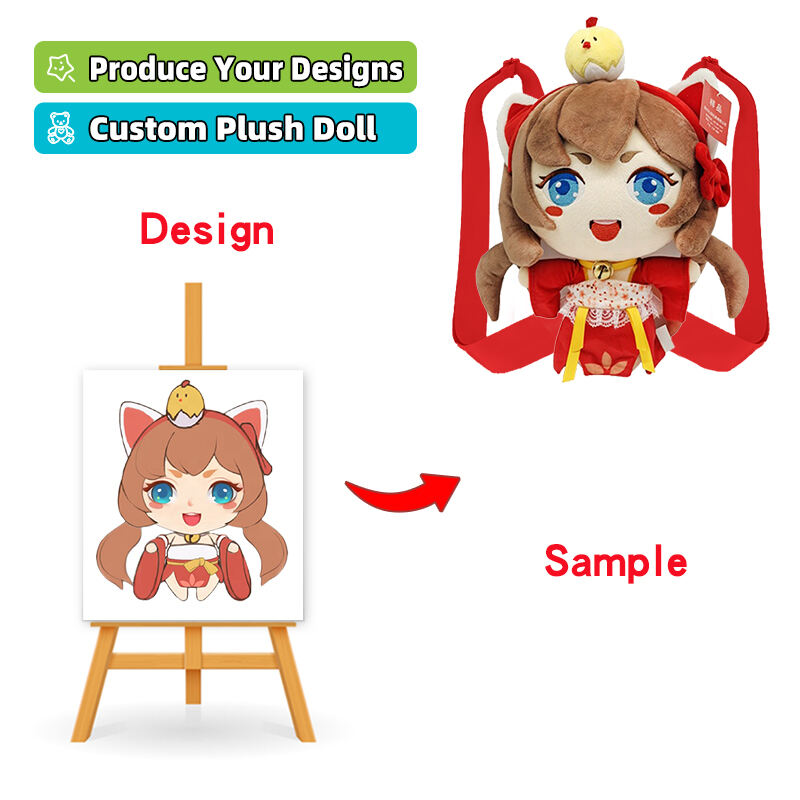
The global plush toy industry has experienced remarkable growth, with businesses and individuals increasingly seeking personalized products that reflect their unique vision. Understanding how plush toy manufacturers manage custom orders becomes essential for companies looking to create distinctive promotional items, entertainment merchandise, or retail products. The custom manufacturing process involves intricate coordination between design teams, production facilities, and quality control departments to ensure each project meets specific requirements while maintaining cost-effectiveness and delivery schedules.
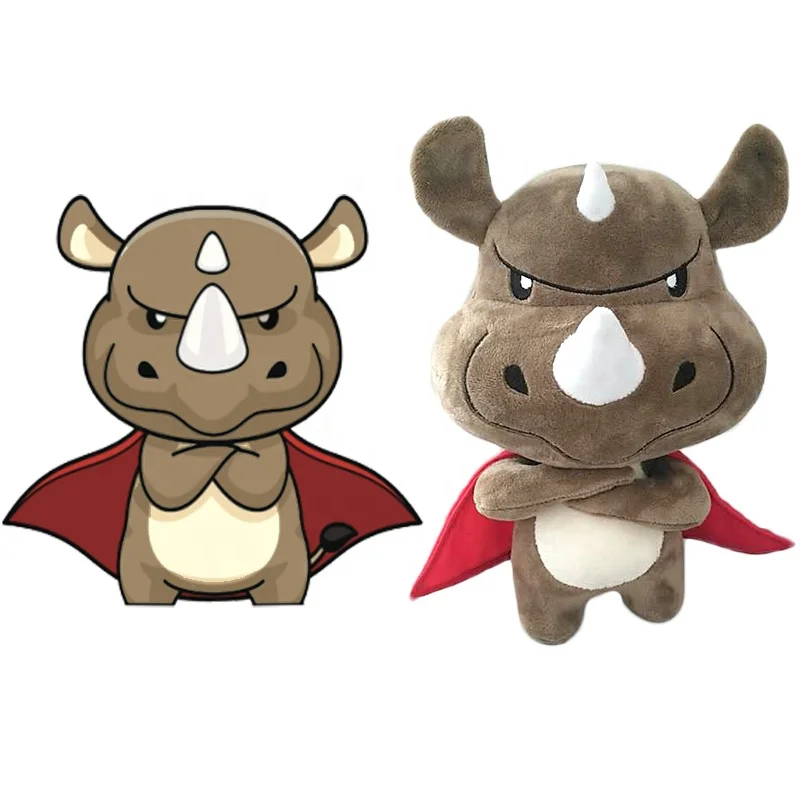
Modern plush toy manufacturers have developed sophisticated systems to handle the complexity of custom orders while maintaining efficiency across their operations. These systems encompass everything from initial client consultation to final product delivery, incorporating advanced technology and streamlined workflows. The ability to successfully manage custom orders often determines a manufacturer's competitive position in the market, as brands increasingly demand unique products that differentiate them from competitors.
Initial Consultation and Design Development Process
Client Requirements Assessment
Professional plush toy manufacturers begin every custom project with comprehensive client consultations to understand specific requirements, target demographics, and intended applications. During these sessions, manufacturers gather detailed information about desired dimensions, materials, color schemes, and any special features that need integration into the final product. This initial assessment phase typically includes budget discussions, quantity requirements, and timeline expectations to establish realistic project parameters.
Experienced manufacturers often provide questionnaires or requirement forms that help clients articulate their vision more clearly. These documents cover aspects such as safety certifications needed, age group targeting, packaging preferences, and any regulatory compliance requirements. The thorough documentation process ensures that both parties have aligned expectations before moving forward with design development activities.
Conceptual Design and Prototyping
Once requirements are established, skilled plush toy manufacturers transition into the conceptual design phase, where creative teams translate client ideas into viable product concepts. This stage involves creating detailed sketches, digital renderings, and material selection recommendations based on the intended use and budget parameters. Design teams consider factors such as manufacturing feasibility, safety regulations, and aesthetic appeal while developing initial concepts.
The prototyping process represents a critical milestone where plush toy manufacturers create physical samples that demonstrate the proposed design's look, feel, and functionality. These prototypes allow clients to evaluate the product concept tangibly, making necessary adjustments before committing to full production. Multiple prototype iterations may be required to achieve the desired result, with each revision incorporating client feedback and manufacturer recommendations.
Production Planning and Resource Allocation
Manufacturing Timeline Development
Effective plush toy manufacturers develop comprehensive production timelines that account for every stage of the manufacturing process, from material procurement to final quality inspection. These timelines consider factors such as fabric dyeing requirements, seasonal demand fluctuations, and potential supply chain disruptions. Project managers work closely with production supervisors to ensure realistic scheduling that meets client deadlines while maintaining quality standards.
Timeline development involves coordinating multiple departments and external suppliers to create a cohesive production schedule. Manufacturers must balance custom order requirements with existing production commitments, often requiring sophisticated scheduling software to optimize resource utilization. Clear communication channels between planning teams and production staff ensure that any timeline adjustments are communicated promptly to all stakeholders.
Material Sourcing and Quality Control
Successful plush toy manufacturers maintain extensive supplier networks that can provide specialized materials required for custom orders. This includes sourcing unique fabrics, specialized filling materials, safety-tested components, and custom accessories that may not be part of standard inventory. Quality control procedures ensure that all materials meet safety standards and client specifications before entering the production process.
Material procurement often requires advance planning, especially for custom colors or textures that need special ordering from textile suppliers. Experienced manufacturers maintain buffer inventory of common materials while establishing relationships with suppliers who can quickly provide specialized components. This dual approach ensures production continuity while accommodating unique custom requirements without excessive delays.
Production Workflow and Quality Assurance
Manufacturing Process Coordination
Leading plush toy manufacturers employ systematic production workflows that efficiently manage custom orders alongside standard product lines. These workflows incorporate specialized equipment setup, operator training for unique techniques, and quality checkpoints throughout the manufacturing process. Production managers coordinate between cutting, sewing, stuffing, and finishing departments to maintain smooth workflow progression.
The coordination process includes detailed work instructions specific to each custom order, ensuring that production teams understand unique requirements and specifications. Digital production tracking systems monitor progress at each stage, providing real-time visibility into order status and potential bottlenecks. This systematic approach allows plush toy manufacturers to maintain consistency while accommodating the variations inherent in custom production.
Quality Control and Testing Procedures
Comprehensive quality control systems ensure that custom plush toys meet both client specifications and industry safety standards. These systems include incoming material inspection, in-process quality checks, and final product testing before shipment. Quality control teams use standardized checklists adapted for each custom order's specific requirements, documenting all inspection results for traceability.
Testing procedures may include safety assessments, durability testing, and compliance verification depending on the intended market and age group. Plush toy manufacturers often maintain in-house testing laboratories or partnerships with certified testing facilities to ensure products meet relevant safety standards. Documentation of all testing results provides clients with confidence in product safety and regulatory compliance.
Client Communication and Project Management
Progress Reporting and Updates
Professional plush toy manufacturers establish regular communication protocols that keep clients informed about project progress throughout the production process. These protocols typically include scheduled progress reports, milestone notifications, and immediate alerts for any issues that could impact delivery schedules. Project managers serve as primary client contacts, consolidating information from various departments into clear, actionable updates.
Modern communication systems often include digital portals where clients can access real-time project information, view production photos, and track shipment status. This transparency builds client confidence and allows for proactive problem resolution when challenges arise. Regular communication also provides opportunities for clients to request modifications or address concerns before they impact final product quality.
Modification Management and Change Control
Experienced plush toy manufacturers develop structured processes for handling design modifications and change requests that may arise during production. These processes include impact assessment procedures that evaluate how proposed changes affect timeline, cost, and resource requirements. Change control systems ensure that all modifications are properly documented, approved, and communicated to relevant production teams.
The modification management process balances client flexibility with production efficiency, establishing clear guidelines for when changes can be accommodated without significant disruption. Project managers work with production teams to determine feasible modification points in the manufacturing process, providing clients with realistic options for implementing desired changes while minimizing cost and schedule impacts.
Logistics and Delivery Coordination
Packaging and Shipping Arrangements
Reliable plush toy manufacturers coordinate comprehensive packaging and shipping solutions tailored to each custom order's specific requirements. This includes selecting appropriate packaging materials that protect products during transit while meeting any branding or presentation requirements specified by clients. Packaging teams consider factors such as destination climate, shipping duration, and handling requirements when designing protective packaging solutions.
Shipping coordination involves selecting optimal carriers and service levels based on delivery timeline requirements and budget constraints. Manufacturers often maintain relationships with multiple shipping providers to ensure competitive rates and reliable service. International shipments may require additional coordination for customs documentation, regulatory compliance, and delivery tracking across multiple countries.
Post-Delivery Support and Follow-up
Professional plush toy manufacturers provide comprehensive post-delivery support that ensures client satisfaction and addresses any issues that may arise after product receipt. This support includes quality guarantee programs, replacement policies for defective products, and assistance with any questions about product care or usage. Customer service teams maintain detailed records of each custom order to facilitate efficient problem resolution.
Follow-up procedures typically include satisfaction surveys, feedback collection, and relationship management activities that support future business opportunities. Many manufacturers use post-delivery interactions as opportunities to gather valuable insights about product performance and client needs that inform future product development and service improvements.
Technology Integration and Process Innovation
Digital Design and Visualization Tools
Advanced plush toy manufacturers leverage cutting-edge digital design tools that enhance the custom order development process. These tools include 3D modeling software, virtual prototyping systems, and augmented reality applications that allow clients to visualize products before production begins. Digital design capabilities reduce prototype costs while accelerating the design approval process through more effective client communication.
Integration of digital visualization tools enables manufacturers to present multiple design options efficiently, allowing clients to compare different concepts and make informed decisions. These technologies also facilitate remote collaboration, enabling international clients to participate actively in the design process without requiring physical meetings or prototype shipping. The digital approach streamlines communication while maintaining high levels of design accuracy and client engagement.
Production Automation and Efficiency Systems
Modern plush toy manufacturers invest in production automation systems that improve efficiency while maintaining the flexibility required for custom orders. These systems include automated cutting equipment, programmable sewing machines, and digital inventory management platforms that optimize resource utilization. Automation technologies enable manufacturers to handle custom orders with greater precision while reducing production costs and lead times.
Efficiency systems encompass workflow optimization software, predictive maintenance programs, and real-time production monitoring capabilities that enhance overall operational performance. These technological investments allow plush toy manufacturers to compete effectively in the custom manufacturing market while maintaining the quality and service levels demanded by discerning clients. Continuous technology upgrades ensure that manufacturers remain competitive as industry requirements evolve.
FAQ
What is the typical timeline for custom plush toy production
Most plush toy manufacturers require 3-6 weeks for custom order completion, depending on complexity, quantity, and material requirements. Simple designs with standard materials typically complete faster, while complex projects requiring specialized components or extensive testing may need additional time. Manufacturers provide detailed timeline estimates during the initial consultation phase, considering all factors that could impact production schedules.
How do manufacturers handle minimum order quantities for custom projects
Professional plush toy manufacturers establish minimum order quantities based on production efficiency and cost considerations, typically ranging from 100-1000 pieces depending on design complexity. These minimums ensure economical production setup costs while maintaining reasonable pricing for clients. Some manufacturers offer lower minimums for simple designs or established clients, while complex projects may require higher quantities to justify specialized tooling and setup costs.
What safety certifications do custom plush toys require
Custom plush toys must comply with safety standards specific to their intended market and age group, such as CPSIA in the United States or EN71 in Europe. Manufacturers coordinate appropriate testing and certification processes based on client requirements and destination markets. Safety requirements may include choking hazard assessments, chemical testing, and flammability evaluations, with documentation provided to support regulatory compliance and market entry requirements.
Can manufacturers accommodate rush orders for custom plush toys
Many plush toy manufacturers offer expedited production services for urgent custom orders, typically at premium pricing to cover overtime costs and priority scheduling. Rush order feasibility depends on current production capacity, material availability, and design complexity. Manufacturers evaluate each rush request individually, providing realistic timeline estimates and cost adjustments necessary to meet accelerated delivery requirements while maintaining quality standards.