EN
EN

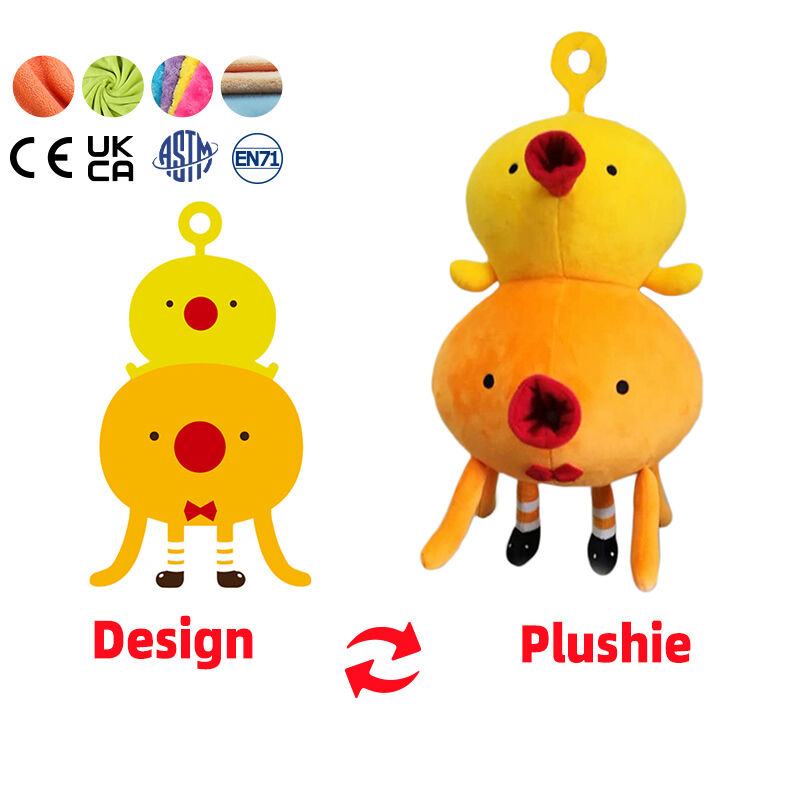
Material selection represents one of the most critical decisions that plush toy manufacturers face during the production process. The choice of fabrics, stuffing materials, and construction components directly impacts product quality, safety standards, manufacturing costs, and consumer satisfaction. Today's competitive marketplace demands that plush toy manufacturers carefully evaluate multiple factors when selecting materials, from regulatory compliance to durability requirements and aesthetic appeal.
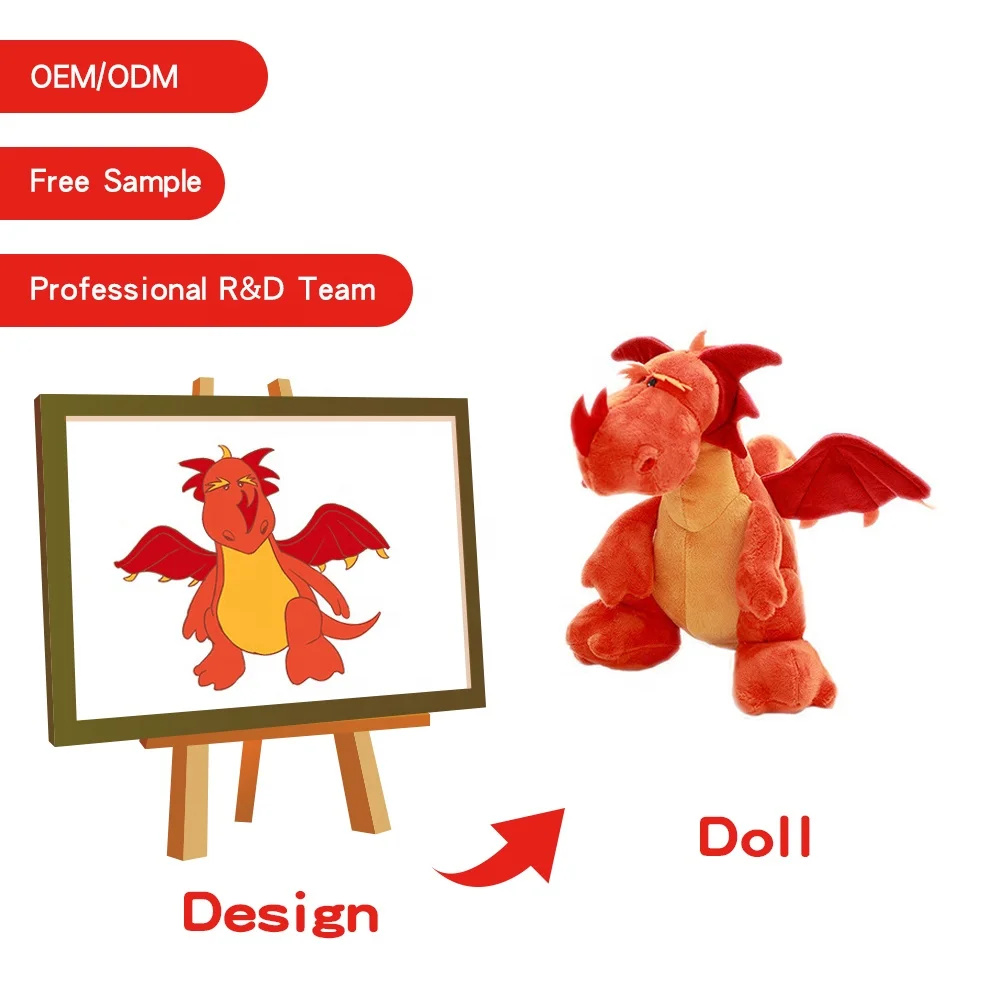
The modern toy industry operates under stringent safety regulations that significantly influence material selection processes. Plush toy manufacturers must navigate complex international standards while maintaining cost-effectiveness and production efficiency. Understanding the relationship between material properties and manufacturing requirements enables producers to make informed decisions that benefit both their operations and end consumers.
Safety Standards and Regulatory Compliance
International Safety Requirements
Plush toy manufacturers must comply with various international safety standards that dictate acceptable materials and testing procedures. The Consumer Product Safety Improvement Act (CPSIA) in the United States, European EN71 standards, and similar regulations worldwide establish strict guidelines for chemical content, flammability, and physical properties. These regulations directly influence material selection by eliminating certain substances and requiring specific certifications from suppliers.
Material testing requirements add another layer of complexity to the selection process. Plush toy manufacturers often invest in extensive laboratory testing to verify that chosen materials meet all applicable safety standards. This testing covers heavy metals, phthalates, formaldehyde levels, and other potentially harmful substances that could pose risks to children.
Age-Specific Material Considerations
Different age groups require distinct material approaches, particularly for toys intended for infants and toddlers. Materials used by plush toy manufacturers for products targeting children under three years must meet more stringent requirements regarding small parts, choking hazards, and chemical composition. Fabrics must be softer, hypoallergenic, and easier to clean for younger demographics.
Durability becomes increasingly important for toys designed for older children who engage in more active play. The material selection process must balance safety requirements with the need for robust construction that can withstand rougher handling without compromising structural integrity or releasing potentially dangerous components.
Fabric Selection and Performance Characteristics
Natural Versus Synthetic Materials
The debate between natural and synthetic materials continues to influence decisions made by plush toy manufacturers worldwide. Natural fibers like organic cotton offer superior breathability, hypoallergenic properties, and environmental appeal, but often come with higher costs and limited color options. Cotton-based fabrics provide excellent texture for plush applications while maintaining safety standards required for children's products.
Synthetic materials, particularly polyester blends, dominate the industry due to their versatility, cost-effectiveness, and performance characteristics. Modern synthetic fabrics offer superior color retention, stain resistance, and durability compared to natural alternatives. plush toy manufacturers often prefer synthetic materials for their consistency in texture, appearance, and manufacturing properties.
Texture and Tactile Properties
Surface texture plays a crucial role in consumer appeal and functionality of plush toys. Plush toy manufacturers evaluate various pile heights, fiber densities, and surface treatments to achieve desired tactile experiences. Short-pile fabrics offer easier maintenance and reduced allergen accumulation, while longer piles provide enhanced softness and visual appeal that consumers associate with premium products.
Specialized texture requirements, such as minky fabrics with their distinctive dot patterns or sherpa materials with wool-like appearances, allow manufacturers to differentiate their products in competitive markets. These textural variations require careful consideration of manufacturing processes, as different fabrics may require adjusted sewing techniques, cutting methods, or finishing procedures.
Stuffing Materials and Internal Components
Traditional Versus Modern Filling Options
Stuffing material selection significantly impacts the final product's feel, durability, and manufacturing costs. Traditional polyester fiberfill remains popular among plush toy manufacturers due to its lightweight properties, washability, and consistent performance characteristics. This material provides excellent shape retention and recovery after compression, making it ideal for toys that receive frequent handling.
Alternative filling materials, including recycled polyester, organic cotton batting, and specialized foam components, offer unique benefits for specific applications. Recycled materials appeal to environmentally conscious consumers while maintaining performance standards. Organic fillings provide natural alternatives but often require premium pricing to offset higher material costs and processing complexities.
Weighted and Specialty Fillings
Modern plush toy manufacturers increasingly incorporate weighted elements to enhance play value and sensory experiences. Plastic pellets, glass beads, or specialized weighted fabrics add realistic weight distribution and improved stability for certain toy designs. These materials require careful consideration of safety standards, particularly regarding containment and potential spillage risks.
Specialty fillings, such as memory foam inserts or aromatherapy beads, cater to specific market segments seeking enhanced functionality beyond traditional plush toy experiences. The selection of these advanced materials involves evaluating long-term stability, safety implications, and manufacturing compatibility with existing production processes.
Cost Considerations and Supply Chain Management
Material Cost Analysis
Economic factors heavily influence material selection decisions made by plush toy manufacturers operating in competitive global markets. Raw material costs represent a significant portion of total production expenses, making cost-effective selection crucial for maintaining profit margins while delivering quality products. Manufacturers must balance material quality with price points that meet market expectations and distribution requirements.
Volume purchasing agreements and long-term supplier relationships enable plush toy manufacturers to secure favorable pricing on preferred materials. These arrangements provide cost stability and supply security but may limit flexibility in material selection when market conditions or product requirements change. Strategic material planning helps manufacturers optimize costs while maintaining quality standards.
Supply Chain Reliability
Consistent material availability directly impacts production scheduling and delivery commitments for plush toy manufacturers. Reliable suppliers with proven track records become valuable partners in maintaining smooth operations and meeting seasonal demand fluctuations. Material selection often favors suppliers with robust supply chains and quality assurance systems.
Diversification strategies help mitigate supply chain risks by identifying alternative material sources and backup suppliers. Plush toy manufacturers may maintain approved vendor lists with multiple suppliers for critical materials, ensuring continuity even when primary sources experience disruptions or capacity constraints.
Environmental Impact and Sustainability
Eco-Friendly Material Options
Growing environmental awareness influences material selection practices among forward-thinking plush toy manufacturers seeking to reduce ecological footprints. Recycled polyester fabrics made from post-consumer plastic bottles offer environmental benefits while maintaining performance characteristics required for quality toy production. These materials demonstrate corporate responsibility without compromising product quality or safety standards.
Organic and sustainably sourced materials provide additional environmental advantages but often require premium pricing and specialized handling procedures. Plush toy manufacturers must evaluate market demand for eco-friendly products against increased production costs and potential manufacturing complexities associated with sustainable material options.
Manufacturing Waste Reduction
Material efficiency considerations help plush toy manufacturers minimize waste generation during production processes. Fabric layouts optimized for reduced cutting waste, standardized component sizes, and material recycling programs contribute to more sustainable manufacturing operations. These efficiency improvements often result in cost savings that offset premium pricing for environmentally friendly materials.
Closed-loop manufacturing systems enable some plush toy manufacturers to recycle production waste into new products or sell material remnants to other industries. These approaches reduce disposal costs while generating additional revenue streams from materials that would otherwise become waste products.
Quality Control and Testing Procedures
Material Inspection Protocols
Rigorous quality control procedures ensure that selected materials meet established standards for consistency, performance, and safety. Plush toy manufacturers implement incoming material inspection protocols that verify fabric weight, color accuracy, texture specifications, and chemical compliance before materials enter production processes. These procedures prevent defective materials from compromising finished product quality.
Statistical sampling methods and standardized testing procedures help manufacturers identify material variations that could impact production efficiency or product quality. Regular supplier audits and material certifications provide additional assurance that selected materials maintain consistent quality levels throughout supply relationships.
Performance Testing Requirements
Durability testing evaluates how selected materials perform under simulated use conditions, including washing cycles, compression tests, and abrasion resistance measurements. Plush toy manufacturers use these tests to validate material selection decisions and identify potential issues before full-scale production begins. Performance data helps optimize material combinations and construction techniques.
Long-term stability testing ensures that materials maintain their properties throughout expected product lifespans. Color fastness tests, dimensional stability measurements, and chemical migration studies provide crucial data for material selection decisions, particularly for products intended for extended use or frequent washing.
FAQ
How do safety regulations influence material choices for plush toy manufacturers
Safety regulations significantly impact material selection by establishing strict guidelines for chemical content, flammability, and physical properties. Plush toy manufacturers must ensure all materials comply with standards like CPSIA in the United States and EN71 in Europe, which often requires extensive testing and certification processes. These regulations eliminate certain materials from consideration and may require specialized suppliers who can provide compliant alternatives.
What factors determine the choice between natural and synthetic materials
The choice between natural and synthetic materials depends on several factors including cost considerations, performance requirements, target demographics, and brand positioning. Synthetic materials typically offer better durability, color retention, and cost-effectiveness, while natural materials provide hypoallergenic properties and environmental appeal. Plush toy manufacturers often consider the intended use, washing requirements, and consumer preferences when making this decision.
How do environmental considerations affect material selection processes
Environmental considerations increasingly influence material selection as consumers become more environmentally conscious. Many plush toy manufacturers now evaluate recycled content, biodegradability, and production impact when choosing materials. While eco-friendly options may cost more initially, they can provide marketing advantages and appeal to environmentally conscious consumers, potentially justifying premium pricing for finished products.
What role does cost play in material selection decisions
Cost considerations significantly influence material selection, as raw materials represent a substantial portion of total production expenses. Plush toy manufacturers must balance material quality with target retail prices and profit margin requirements. Long-term supplier agreements, volume purchasing, and strategic material planning help optimize costs while maintaining quality standards necessary for competitive market positioning.