EN
EN

Small businesses looking to expand into the lucrative plush toy market face a critical decision when selecting their manufacturing partner. The success of your plush toy venture depends heavily on choosing the right plush maker who understands your unique requirements, budget constraints, and quality expectations. A skilled plush maker can transform your creative concepts into market-ready products that captivate customers and drive sales. Understanding the key characteristics of an exceptional plush maker will help small business owners make informed decisions that impact their long-term success in this competitive industry.
Manufacturing Capabilities and Technical Expertise
Advanced Production Equipment
A competent plush maker should possess state-of-the-art manufacturing equipment capable of handling diverse production requirements. Modern embroidery machines, precise cutting tools, and automated stuffing equipment enable consistent quality across large production runs. The plush maker must demonstrate proficiency in working with various materials including synthetic fur, organic cotton, and specialty fabrics. Their technical capabilities should extend to complex design features such as articulated joints, electronic components integration, and multi-texture combinations that add value to your products.
Quality control systems integrated throughout the production process ensure that every plush toy meets specified standards. Professional plush maker facilities typically maintain climate-controlled environments to preserve material integrity and prevent contamination. Advanced testing equipment for durability, safety compliance, and colorfastness verification represents another crucial aspect of technical expertise that separates professional manufacturers from amateur operations.
Material Sourcing and Quality Standards
Exceptional plush maker partners maintain established relationships with premium material suppliers who provide certified fabrics meeting international safety standards. These partnerships enable consistent access to high-quality synthetic furs, natural fibers, and specialized components at competitive prices. The manufacturer should provide detailed material specifications including thread counts, pile heights, and chemical composition for transparency and quality assurance.
Sustainability considerations increasingly influence purchasing decisions, making environmentally conscious material sourcing a valuable differentiator. Leading plush maker companies actively pursue eco-friendly alternatives including recycled polyester filling, organic cotton shells, and biodegradable packaging materials. Their commitment to responsible sourcing practices aligns with growing consumer preferences for environmentally sustainable products while maintaining the durability and appeal that customers expect.
Customization Options and Design Flexibility
Prototype Development Process
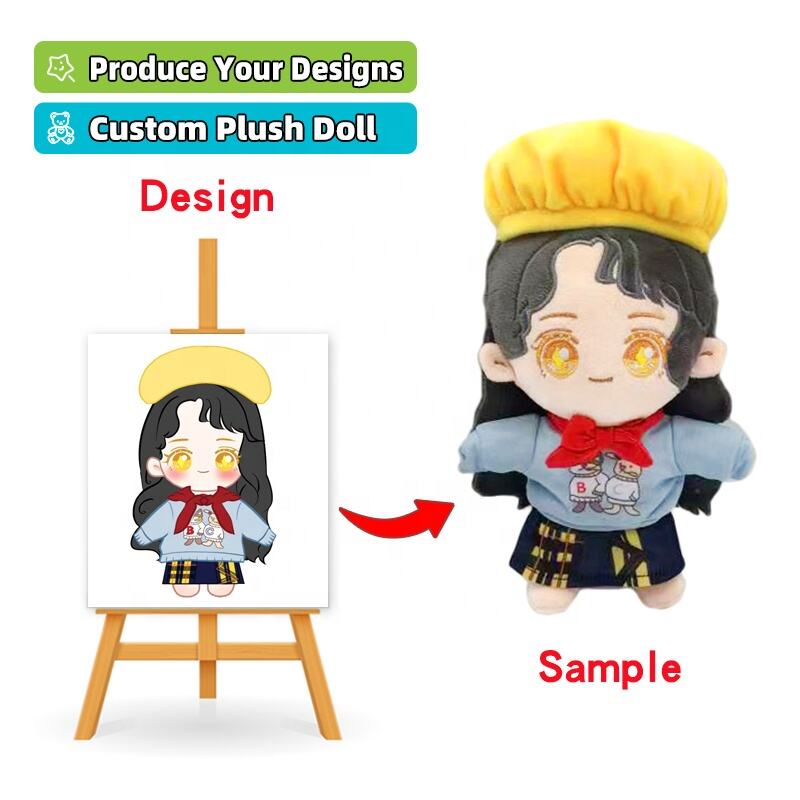
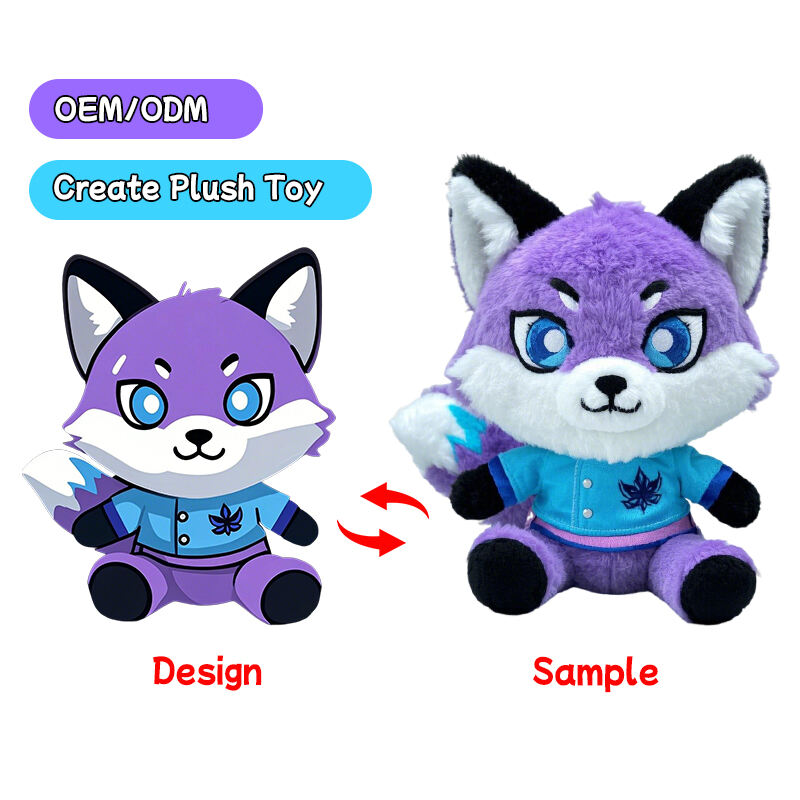
The ability to translate conceptual designs into tangible prototypes distinguishes professional plush maker services from basic manufacturing operations. Skilled designers work collaboratively with clients to refine initial concepts through iterative prototype development cycles. This process typically involves creating initial sketches, developing digital renderings, and producing physical samples that allow tactile evaluation of texture, proportions, and overall appeal.
Comprehensive prototype development includes multiple revision rounds to perfect design elements before committing to full production. A reliable plush maker provides detailed feedback on design feasibility, material recommendations, and potential cost optimizations without compromising the creative vision. Their expertise helps identify potential manufacturing challenges early in the development process, preventing costly delays and ensuring smoother production transitions.
Size and Feature Variations
Versatile plush maker capabilities enable production of toys ranging from small keychain accessories to large display pieces exceeding three feet in height. This size flexibility allows small businesses to target multiple market segments with cohesive product lines that maintain brand consistency across different price points. Advanced manufacturers can seamlessly scale designs while preserving proportional accuracy and aesthetic appeal regardless of final dimensions.
Feature customization options extend beyond basic size variations to include interactive elements, removable accessories, and personalization capabilities. Modern plush maker facilities can integrate electronic components for sound effects, LED lighting, or sensor-activated movements that enhance play value. Embroidered personalization, interchangeable clothing, and modular design elements provide additional customization opportunities that increase customer engagement and perceived value.
Production Capacity and Scalability
Order Volume Flexibility
Small businesses require plush maker partners who accommodate varying order volumes without compromising quality or dramatically increasing per-unit costs. Flexible production scheduling allows entrepreneurs to test market demand with smaller initial orders before scaling up based on sales performance. Professional manufacturers maintain minimum order quantities that remain accessible to emerging businesses while providing volume discounts that reward growth and loyalty.
Seasonal demand fluctuations common in the toy industry require production partners capable of ramping up capacity during peak periods while maintaining consistent quality standards. A competent plush maker demonstrates this adaptability through strategic workforce management, flexible scheduling systems, and established protocols for managing increased production volumes without delays or quality degradation.
Timeline Management and Delivery Reliability
Reliable delivery schedules enable small businesses to coordinate marketing campaigns, inventory management, and seasonal sales strategies effectively. Professional plush maker operations provide detailed production timelines including milestone checkpoints for design approval, material procurement, production completion, and shipping arrangements. Clear communication throughout the manufacturing process helps prevent unexpected delays that could disrupt business operations.
International shipping capabilities and established logistics networks ensure timely delivery regardless of geographic location. Experienced manufacturers maintain relationships with multiple shipping providers to offer cost-effective options while providing tracking information and delivery confirmation. Their expertise in international trade regulations, customs documentation, and import requirements streamlines the importation process for small business customers.
Quality Assurance and Safety Compliance
International Safety Standards
Compliance with international safety standards represents a non-negotiable requirement for any professional plush maker serving global markets. Certification programs including CPSIA, EN71, and ASTM standards ensure products meet stringent safety requirements for age-appropriate design, non-toxic materials, and mechanical hazard prevention. These certifications protect both manufacturers and retailers from liability while ensuring consumer safety across diverse international markets.
Regular third-party testing and certification renewals demonstrate ongoing commitment to safety compliance beyond initial product approval. Leading plush maker facilities maintain detailed documentation systems tracking material sources, production batches, and quality control measures throughout the manufacturing process. This comprehensive approach to safety management provides transparency and accountability that builds trust with customers and regulatory authorities.
Quality Control Processes
Systematic quality control protocols implemented at every production stage ensure consistent product quality regardless of order size or complexity. Professional plush maker operations employ trained quality inspectors who evaluate materials, workmanship, and finished products against established standards. Statistical sampling methods and documented inspection procedures provide objective quality assessments while identifying potential issues before they affect larger production quantities.
Digital quality management systems track defect rates, customer feedback, and corrective actions to facilitate continuous improvement initiatives. Advanced plush maker facilities utilize these data-driven insights to refine processes, update training programs, and enhance overall product quality. Their commitment to ongoing improvement demonstrates professional maturity and dedication to customer satisfaction that benefits long-term business relationships.
Communication and Customer Service
Responsiveness and Support
Effective communication throughout the manufacturing process ensures that small business customers remain informed about production progress, potential challenges, and delivery schedules. Professional plush maker companies assign dedicated account representatives who understand specific customer requirements and maintain consistent contact throughout project lifecycles. This personalized approach builds trust and facilitates smooth collaboration on complex projects requiring multiple revision cycles.
Multilingual support capabilities enable clear communication with diverse international customers while reducing misunderstandings that could impact project outcomes. Digital communication platforms including video conferencing, project management tools, and real-time messaging systems facilitate efficient information exchange regardless of geographic separation. These technological solutions complement traditional communication methods while providing documentation trails for future reference.
Technical Consultation Services
Value-added consultation services help small businesses optimize their product designs for manufacturability, cost-effectiveness, and market appeal. Experienced plush maker teams provide insights based on industry trends, material innovations, and manufacturing best practices that enhance product competitiveness. Their expertise helps customers avoid common design pitfalls while identifying opportunities for cost reduction without compromising quality or appeal.
Market intelligence sharing including trending designs, seasonal preferences, and competitive analysis provides valuable insights that inform product development strategies. Professional manufacturers leverage their broad industry exposure to offer strategic guidance that extends beyond basic manufacturing services. This consultative approach creates partnerships rather than transactional relationships, fostering long-term collaboration that benefits both parties as businesses grow and evolve.
Pricing Structure and Value Proposition
Cost Transparency and Fair Pricing
Transparent pricing structures enable small businesses to accurately forecast costs and maintain healthy profit margins across their product lines. Professional plush maker companies provide detailed quotations breaking down material costs, labor expenses, tooling charges, and shipping fees to eliminate surprises and facilitate informed decision-making. Volume-based pricing tiers reward customer loyalty while providing incentives for business growth and expanded partnerships.
Competitive pricing balanced with quality standards ensures that small businesses can compete effectively in price-sensitive markets while maintaining product integrity. Leading manufacturers achieve cost efficiencies through optimized production processes, strategic material sourcing, and economies of scale that benefit their customers. Their ability to deliver value without compromising quality distinguishes professional operations from low-cost alternatives that may sacrifice standards to achieve lower prices.
Additional Value-Added Services
Comprehensive service offerings extending beyond basic manufacturing provide additional value that simplifies operations for small business customers. Professional plush maker companies often include design consultation, packaging solutions, labeling services, and quality documentation as standard offerings. These integrated services reduce the complexity of managing multiple suppliers while ensuring consistency across all product-related elements.
Warehousing and fulfillment capabilities enable small businesses to minimize inventory investments while maintaining product availability for customers. Advanced manufacturers offer these logistics services as optional add-ons that integrate seamlessly with e-commerce platforms and retail distribution networks. Their expertise in inventory management and order fulfillment helps small businesses scale operations without investing in costly infrastructure or specialized personnel.
FAQ
What minimum order quantities should small businesses expect from professional plush makers?
Most professional plush maker companies require minimum orders ranging from 100 to 500 pieces depending on design complexity and customization requirements. Simple designs with standard materials typically have lower minimums, while complex custom creations with specialized features may require higher quantities to achieve cost-effective production. Many manufacturers offer flexible options allowing smaller test orders at higher per-unit costs, enabling small businesses to validate market demand before committing to larger volumes.
How long does the typical production cycle take from design approval to delivery?
Production timelines vary significantly based on order complexity, quantity, and current factory capacity, but typical cycles range from 3-8 weeks for standard orders. Simple designs with readily available materials can often be completed faster, while complex custom projects requiring new tooling or specialized components may extend beyond standard timeframes. Professional plush maker operations provide detailed project timelines during the quotation process, including milestone dates for various production stages to help customers plan accordingly.
What safety certifications are essential for plush toys intended for children?
Key safety certifications include CPSIA compliance for the US market, EN71 standards for European distribution, and ASTM F963 for general toy safety requirements. These certifications ensure that plush toys meet stringent standards for mechanical hazards, flammability, chemical content, and age-appropriate design features. Professional plush maker facilities maintain current certifications and provide documentation proving compliance, which is essential for retail partnerships and consumer confidence in international markets.
Can small businesses request design modifications during the production process?
Design modifications are generally possible during early production stages, but changes become increasingly costly and time-consuming as manufacturing progresses. Professional plush maker companies typically allow minor adjustments during prototype development and initial production setup, but significant modifications after bulk production begins may require additional fees and timeline extensions. Clear communication during the design phase and comprehensive prototype approval processes help minimize the need for costly mid-production changes.
Table of Contents
- Manufacturing Capabilities and Technical Expertise
- Customization Options and Design Flexibility
- Production Capacity and Scalability
- Quality Assurance and Safety Compliance
- Communication and Customer Service
- Pricing Structure and Value Proposition
-
FAQ
- What minimum order quantities should small businesses expect from professional plush makers?
- How long does the typical production cycle take from design approval to delivery?
- What safety certifications are essential for plush toys intended for children?
- Can small businesses request design modifications during the production process?