EN
EN

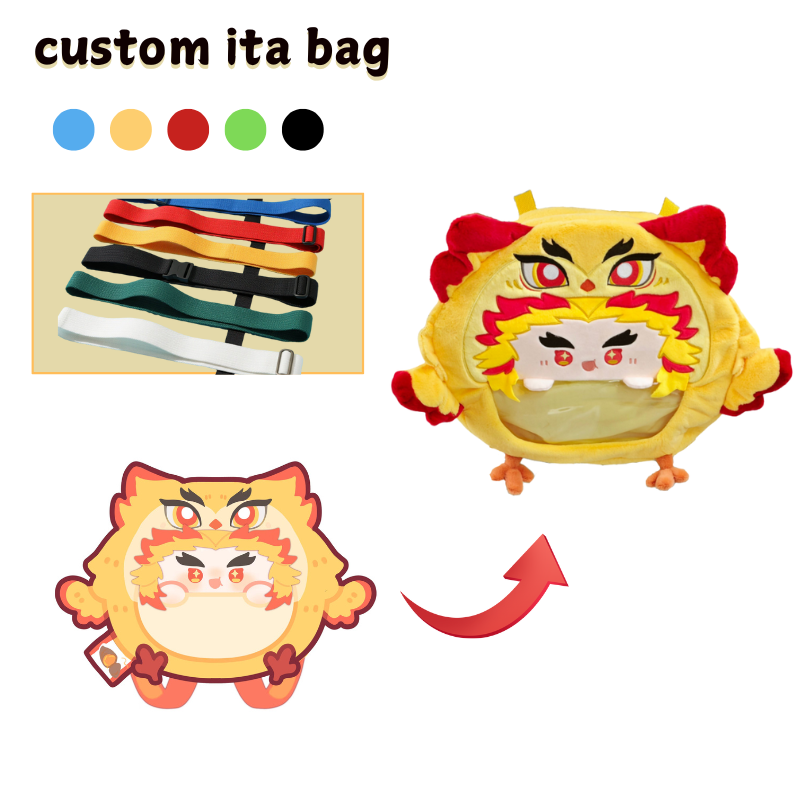
When planning to create personalized gifts or branded merchandise, understanding the production timeline for custom plush toys becomes crucial for proper planning and customer satisfaction. The manufacturing process involves multiple stages, from initial design consultation to final delivery, with each phase requiring careful attention to detail and quality control. Most clients seeking custom plush toys need clear expectations about delivery schedules to align with marketing campaigns, special events, or product launches.
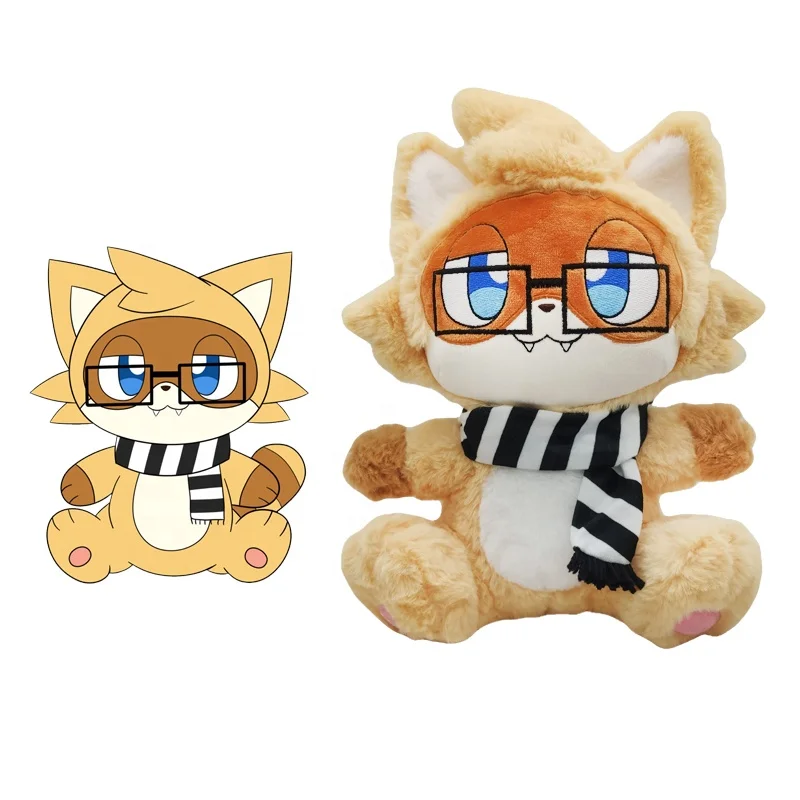
The production timeline for custom plush toys varies significantly based on design complexity, order quantity, and manufacturer capabilities. Standard production schedules typically range from two to eight weeks, though this timeframe can extend for highly detailed designs or large-volume orders. Factors such as material sourcing, prototype development, and quality testing all contribute to the overall manufacturing duration. Understanding these variables helps businesses make informed decisions about their custom plush toys procurement strategy.
Professional manufacturers often provide detailed production schedules that break down each phase of the custom plush toys creation process. These schedules include design finalization, pattern making, sample production, bulk manufacturing, and quality inspection phases. Each stage requires specific time allocations to ensure the final products meet client specifications and quality standards. Experienced suppliers maintain efficient workflows while preserving the attention to detail that makes custom plush toys truly special.
Design and Development Phase
Initial Concept Review and Refinement
The design phase for custom plush toys begins with thorough consultation between clients and manufacturers to establish project specifications. During this stage, creative teams review provided artwork, photographs, or concept sketches to determine feasibility and manufacturing requirements. Professional designers often suggest modifications to enhance the final product while maintaining the intended aesthetic appeal and functionality of the custom plush toys.
Technical drawings and material specifications are developed during this preliminary phase, establishing the foundation for successful production. Designers consider factors such as size limitations, fabric choices, stuffing materials, and safety compliance requirements when creating custom plush toys blueprints. This comprehensive planning stage typically requires three to seven business days, depending on design complexity and client feedback cycles.
Communication efficiency during the design phase significantly impacts overall production timelines for custom plush toys projects. Clients who provide clear specifications, high-resolution reference materials, and prompt feedback help accelerate the design finalization process. Manufacturers often utilize digital design tools and 3D modeling software to create accurate representations of proposed custom plush toys before proceeding to physical prototyping.
Pattern Creation and Technical Documentation
Once design concepts receive client approval, skilled pattern makers create precise templates for cutting and assembling custom plush toys components. This technical phase involves translating artistic designs into practical manufacturing instructions that production teams can follow accurately. Pattern development requires expertise in textile engineering and understanding of how different fabrics behave during cutting, sewing, and stuffing processes.
Professional pattern makers account for seam allowances, fabric stretch characteristics, and assembly sequences when creating templates for custom plush toys production. They also develop detailed instruction sheets that guide assembly workers through each construction step, ensuring consistency across large production runs. This meticulous documentation process typically adds two to four days to the overall custom plush toys manufacturing timeline.
Quality control measures are integrated into pattern creation to prevent potential issues during mass production of custom plush toys. Experienced pattern makers conduct test cuts using various fabric types to verify accuracy and make necessary adjustments before finalizing templates. This proactive approach helps eliminate costly delays and material waste during bulk manufacturing phases.
Prototype Development and Approval
Sample Production Process
Prototype development represents a critical milestone in custom plush toys manufacturing, allowing clients to evaluate physical samples before committing to full production runs. Skilled craftspeople hand-assemble initial prototypes using finalized patterns and selected materials, paying careful attention to construction details and finishing quality. This sample production process typically requires five to ten business days, depending on design complexity and manufacturer workload.
During prototype creation, manufacturers test different fabric combinations, stuffing densities, and assembly techniques to optimize the final custom plush toys design. Sample makers document any construction challenges or material performance issues encountered during this phase, providing valuable feedback for production planning. These insights help refine manufacturing processes and prevent potential quality issues in bulk production.
Professional manufacturers often produce multiple prototype variations to demonstrate different material options or design alternatives for custom plush toys projects. This approach allows clients to make informed decisions about fabric textures, color combinations, and construction methods before finalizing specifications. Sample production serves as both quality validation and marketing tool for presenting finished product concepts to stakeholders.
Client Review and Modification Cycles
Once prototypes are completed, manufacturers ship samples to clients for detailed evaluation and approval. This review process allows decision-makers to assess the physical appearance, texture, durability, and overall quality of proposed custom plush toys designs. Clients typically receive samples within three to five business days via expedited shipping methods, enabling prompt evaluation and feedback.
The approval cycle duration varies significantly based on client decision-making processes and required modifications. Some custom plush toys projects receive immediate approval, while others require design adjustments or material changes based on prototype evaluation. Clear communication protocols and established approval procedures help minimize delays during this critical phase of custom plush toys development.
Manufacturers maintain flexibility to accommodate reasonable modification requests while managing production schedules effectively. Common prototype adjustments include color modifications, size alterations, or construction method changes to improve durability or appearance of custom plush toys. Experienced suppliers provide realistic timelines for implementing requested changes and producing revised samples when necessary.
Production Planning and Material Sourcing
Supply Chain Coordination
Effective material sourcing directly impacts production timelines for custom plush toys manufacturing projects. Professional suppliers maintain relationships with reliable fabric mills, stuffing material vendors, and accessory manufacturers to ensure consistent availability of quality materials. Strategic inventory management allows manufacturers to begin production promptly once client approvals are received and purchase orders are processed.
Material lead times vary depending on fabric specifications, color requirements, and seasonal availability factors affecting custom plush toys production. Standard fabrics and stuffing materials typically maintain shorter lead times, while specialty materials or custom-dyed fabrics may require additional procurement time. Manufacturers often advise clients about material availability during the design phase to prevent unexpected delays in custom plush toys production schedules.
Quality assurance protocols include incoming material inspection to verify specifications and performance characteristics before incorporating materials into custom plush toys production. This preventive measure helps maintain consistent product quality while avoiding potential delays caused by substandard materials. Reliable suppliers implement comprehensive material testing procedures to ensure all components meet safety standards and performance requirements.
Production Scheduling and Workflow Management
Once materials are secured and client approvals are finalized, manufacturers develop detailed production schedules for custom plush toys manufacturing. These schedules coordinate cutting operations, assembly workflows, quality control checkpoints, and packaging activities to optimize efficiency and maintain delivery commitments. Professional production planning considers equipment capacity, workforce availability, and concurrent project demands when establishing realistic timelines.
Manufacturing facilities typically organize custom plush toys production into sequential phases, with each stage building upon previous work while maintaining quality standards. Cutting operations prepare fabric components according to established patterns, while assembly teams focus on construction techniques specific to each design. This systematic approach ensures consistent quality while maintaining efficient throughput for custom plush toys manufacturing projects.
Advanced manufacturers utilize production tracking systems to monitor progress and identify potential bottlenecks before they impact delivery schedules for custom plush toys orders. These systems provide real-time visibility into production status, enabling proactive communication with clients about progress updates and delivery expectations. Effective project management helps maintain customer satisfaction while optimizing manufacturing efficiency.
Manufacturing and Quality Control
Assembly Line Operations
The physical manufacturing of custom plush toys involves skilled assembly workers who specialize in textile construction and finishing techniques. Production teams follow detailed instructions and quality specifications established during the design and prototyping phases to ensure consistency across all units. Assembly operations typically include cutting, sewing, stuffing, and finishing processes that require specialized equipment and experienced craftspeople.
Modern manufacturing facilities implement lean production principles to minimize waste and optimize efficiency during custom plush toys assembly. Workers receive training on specific construction techniques and quality standards to maintain consistent output quality. Standardized assembly procedures help ensure that each custom plush toys unit meets established specifications while maintaining reasonable production speeds.
Production supervisors monitor assembly operations to identify potential quality issues or process improvements that can enhance custom plush toys manufacturing efficiency. Regular quality checks during assembly help prevent defective units from progressing through subsequent production stages. This proactive approach maintains high quality standards while minimizing rework requirements and production delays.
Quality Inspection and Testing Protocols
Comprehensive quality control measures ensure that finished custom plush toys meet safety standards and client specifications before packaging and shipment. Inspection teams evaluate construction quality, material integrity, and overall appearance to identify any units requiring correction or replacement. Professional manufacturers maintain detailed quality checklists that cover all critical aspects of custom plush toys construction and finishing.
Safety testing protocols verify that custom plush toys comply with relevant regulatory standards and industry requirements. These tests may include pull strength evaluations, fabric safety assessments, and age-appropriate design verification depending on intended use applications. Compliance with safety standards is essential for custom plush toys intended for children or promotional distribution in regulated markets.
Final inspection procedures include detailed visual examination and functional testing to ensure that completed custom plush toys meet established quality criteria. Inspectors verify construction integrity, aesthetic appearance, and overall product presentation before approving units for packaging. This final quality gate helps maintain customer satisfaction while protecting manufacturer reputation for excellence in custom plush toys production.
Packaging and Shipping Logistics
Custom Packaging Solutions
Professional packaging enhances the presentation and protection of custom plush toys during shipping and retail display applications. Manufacturers offer various packaging options, including individual poly bags, custom-designed boxes, or retail-ready presentation packages depending on client requirements. Packaging selection impacts both protection during transit and marketing effectiveness for promotional custom plush toys applications.
Sustainable packaging materials and eco-friendly options are increasingly popular for custom plush toys projects focused on environmental responsibility. Manufacturers can provide recycled cardboard boxes, biodegradable poly bags, or reusable packaging solutions that align with corporate sustainability initiatives. These environmentally conscious packaging choices often require additional planning time but provide marketing advantages for brands emphasizing environmental stewardship.
Custom packaging design services allow clients to incorporate branding elements, care instructions, or promotional messaging into custom plush toys presentation. Professional graphic design teams can create packaging artwork that enhances product appeal while providing essential information to end users. Custom packaging development may add several days to overall project timelines but significantly enhances product presentation and brand recognition.
Shipping Method Selection and Transit Times
Shipping method selection significantly impacts delivery timelines for custom plush toys orders, with options ranging from economical sea freight to expedited air cargo services. International shipping typically requires additional time for customs processing and documentation, particularly for large-volume custom plush toys shipments. Manufacturers provide shipping recommendations based on order urgency, budget considerations, and destination requirements.
Express shipping options can reduce delivery times for urgent custom plush toys orders, though costs increase substantially compared to standard shipping methods. Air freight services typically deliver international shipments within five to ten business days, while sea freight may require four to eight weeks depending on destination and routing. Clients must balance delivery urgency against shipping cost considerations when selecting transportation methods for custom plush toys orders.
Tracking services and delivery confirmation provide visibility into shipment progress and expected delivery dates for custom plush toys orders. Professional logistics providers offer comprehensive tracking systems that monitor packages from origin to final destination. This transparency helps clients plan for product receipt and coordinate any time-sensitive marketing or distribution activities involving their custom plush toys orders.
FAQ
What factors most significantly impact custom plush toys production timelines
Design complexity represents the primary factor influencing custom plush toys production schedules, with intricate designs requiring additional pattern development and assembly time. Order quantities also significantly impact timelines, as larger volumes require more manufacturing capacity and extended production periods. Material availability can cause delays if specialty fabrics or components require extended procurement periods, while client approval cycles affect overall project duration based on decision-making efficiency and modification requirements.
Can production timelines be accelerated for urgent custom plush toys orders
Experienced manufacturers can often accommodate expedited production schedules for urgent custom plush toys projects through rush order services and priority production queuing. However, accelerated timelines typically involve additional costs and may require simplified designs or readily available materials to achieve faster completion. Clients should communicate urgency requirements early in the project planning phase to allow manufacturers to evaluate feasibility and provide realistic expedited delivery options for their custom plush toys orders.
How do seasonal factors affect custom plush toys manufacturing schedules
Holiday seasons and peak promotional periods can extend production timelines for custom plush toys due to increased industry demand and longer material lead times. Manufacturing facilities often experience capacity constraints during busy seasons, particularly before major holidays when promotional custom plush toys orders surge. Planning custom plush toys projects well in advance of seasonal deadlines helps ensure adequate production capacity and material availability while avoiding peak season delays and premium pricing.
What information should clients provide to ensure accurate timeline estimates for custom plush toys projects
Comprehensive project specifications including design details, size requirements, material preferences, and quantity needs enable manufacturers to provide accurate timeline estimates for custom plush toys production. High-resolution artwork or detailed sketches help designers evaluate complexity and identify potential manufacturing challenges early in the planning process. Clear delivery deadlines and budget parameters allow suppliers to recommend appropriate production and shipping options that meet client requirements while maintaining realistic expectations for custom plush toys project completion.
Table of Contents
- Design and Development Phase
- Prototype Development and Approval
- Production Planning and Material Sourcing
- Manufacturing and Quality Control
- Packaging and Shipping Logistics
-
FAQ
- What factors most significantly impact custom plush toys production timelines
- Can production timelines be accelerated for urgent custom plush toys orders
- How do seasonal factors affect custom plush toys manufacturing schedules
- What information should clients provide to ensure accurate timeline estimates for custom plush toys projects