EN
EN
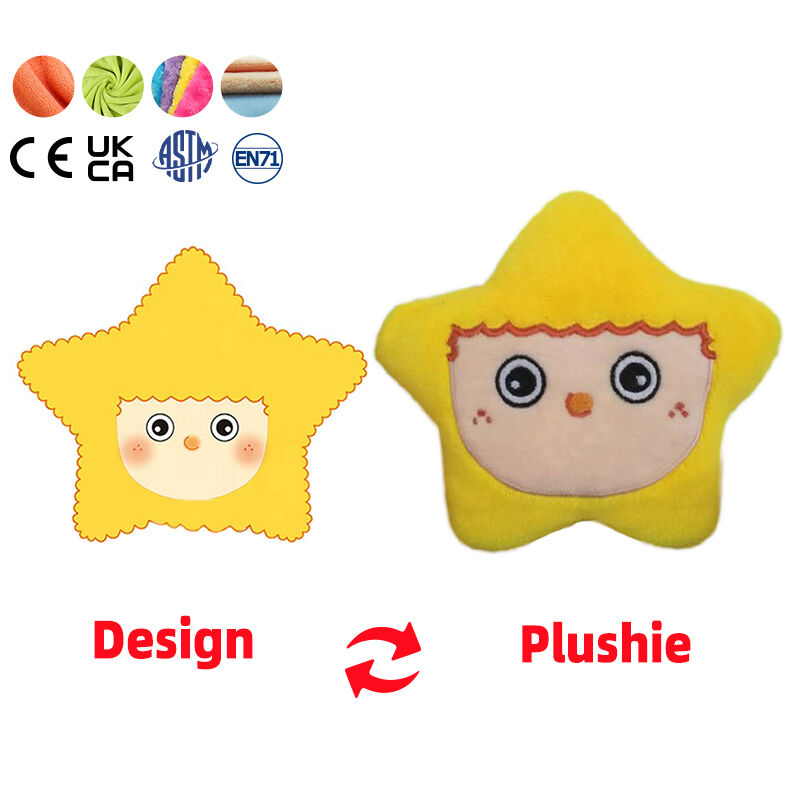
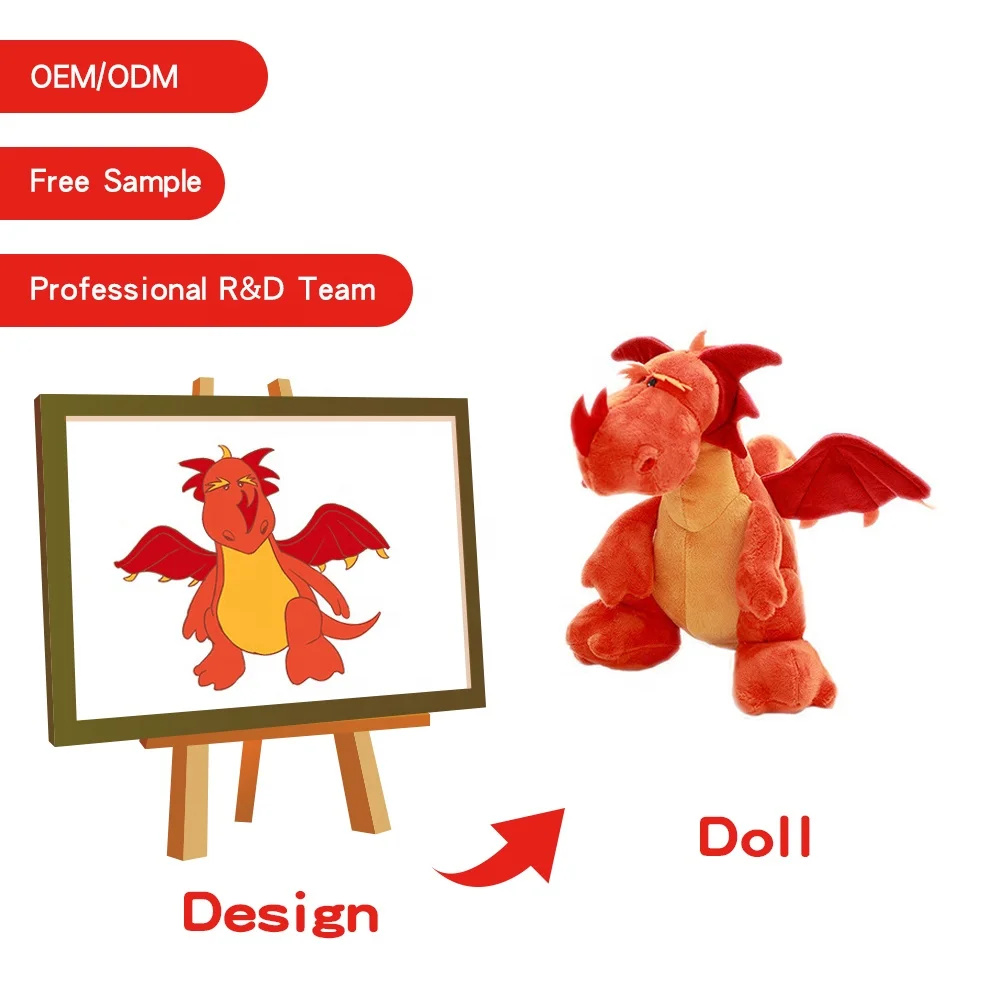
Creating memorable and marketable custom plush toys requires careful consideration of numerous design elements that directly impact both manufacturing feasibility and consumer appeal. Whether you're developing promotional merchandise, retail products, or commemorative items, understanding the intricate balance between creativity, functionality, and production constraints is essential for success. The design process for custom plush toys involves strategic decision-making that encompasses material selection, safety compliance, target audience preferences, and manufacturing capabilities to ensure your final product meets both quality standards and market expectations.
Material Selection and Quality Standards
Fabric Types and Their Properties
The foundation of exceptional custom plush toys begins with selecting appropriate fabrics that align with your design vision and quality requirements. Polyester fleece remains the most popular choice due to its softness, durability, and cost-effectiveness, making it ideal for both promotional and retail applications. Minky fabric offers superior plushness and luxury feel, perfect for premium custom plush toys targeting discerning consumers. Cotton blends provide natural breathability and hypoallergenic properties, particularly important when designing toys for sensitive skin or eco-conscious markets.
Synthetic materials like acrylic and microfiber offer enhanced colorfastness and easier maintenance, crucial factors for custom plush toys intended for frequent handling or washing. Specialty fabrics such as faux fur, velour, and textured materials can add unique tactile experiences that differentiate your products in competitive markets. Each fabric choice directly impacts the manufacturing process, cost structure, and final appearance of your custom plush toys, requiring careful evaluation against your project specifications and budget constraints.
Filling Materials and Stuffing Options
Selecting appropriate filling materials significantly influences the feel, durability, and safety profile of custom plush toys. Polyester fiberfill remains the industry standard, offering excellent shape retention, washability, and consistent quality across production runs. High-grade polyester filling provides superior bounce-back properties, ensuring your custom plush toys maintain their intended shape and appearance throughout their lifespan. Alternative filling options include recycled polyester made from plastic bottles, appealing to environmentally conscious consumers and sustainable manufacturing initiatives.
Specialized filling materials such as weighted pellets or beans can create unique sensory experiences in custom plush toys, particularly valuable for therapeutic applications or premium collectibles. Organic cotton filling offers natural alternatives for eco-friendly product lines, though it requires careful consideration of moisture management and potential compression over time. The filling density directly affects the final feel and appearance of your custom plush toys, with lighter fills creating softer, more squeezable products and denser fills providing firmer, more structured forms.
Safety Compliance and Regulatory Requirements
Age-Appropriate Design Standards
Designing custom plush toys requires comprehensive understanding of age-specific safety regulations that vary significantly across target demographics and geographical markets. For infant and toddler products, strict guidelines govern small parts, choking hazards, and attachment methods to ensure complete safety during unsupervised play. Custom plush toys intended for children under three years must eliminate any components smaller than the standard choking tube diameter, including buttons, beads, or removable accessories that could present ingestion risks.
Older children's custom plush toys allow for more complex design elements but still require careful attention to durability testing and potential failure points. Seam strength, eye attachment methods, and accessory security become critical factors that influence both safety compliance and product longevity. Understanding these age-specific requirements early in the design process prevents costly revisions and ensures your custom plush toys meet all applicable safety standards before production begins.
International Certification Requirements
Global distribution of custom plush toys necessitates compliance with multiple international safety standards, each with specific testing protocols and documentation requirements. CE marking for European markets requires adherence to EN71 toy safety standards, covering mechanical properties, flammability, and chemical composition limits. CPSIA compliance for United States markets mandates lead testing, phthalate restrictions, and age labeling requirements that directly impact material selection and design choices for custom plush toys.
Additional certifications such as OEKO-TEX Standard 100 for textile safety and ASTM F963 for toy safety provide enhanced credibility and market access for premium custom plush toys. These certifications require extensive documentation, third-party testing, and ongoing quality assurance programs that must be integrated into your manufacturing process. Planning for these requirements during the initial design phase ensures smooth certification processes and prevents delays in bringing your custom plush toys to market.
Target Audience and Market Positioning
Demographic Analysis and Preferences
Successful custom plush toys require deep understanding of target demographic preferences, purchasing behaviors, and emotional connections that drive buying decisions. Children's preferences vary significantly by age group, with younger children favoring bright colors, simple shapes, and soft textures, while older children appreciate more detailed designs, character authenticity, and interactive features. Adult collectors of custom plush toys prioritize quality craftsmanship, unique design elements, and limited edition appeal that justify premium pricing structures.
Corporate clients seeking promotional custom plush toys focus on brand alignment, logo integration capabilities, and cost-effectiveness for large quantity orders. Healthcare and therapeutic markets require specific design considerations such as antimicrobial treatments, easy cleaning protocols, and calming color palettes that support their intended applications. Understanding these diverse preferences enables more targeted design decisions that resonate with specific market segments and improve commercial success rates.
Cultural Considerations and Global Appeal
Designing custom plush toys for international markets requires sensitivity to cultural preferences, color symbolism, and regional aesthetic trends that influence consumer acceptance. Color psychology varies significantly across cultures, with red symbolizing good fortune in Asian markets while potentially representing danger in Western contexts. Character design elements, facial expressions, and proportions must align with cultural beauty standards and acceptable representations to ensure positive market reception.
Religious and cultural sensitivities may restrict certain design elements or require modifications for specific markets, particularly in conservative regions where modest clothing or covered features are preferred. Seasonal preferences also vary globally, with winter-themed custom plush toys performing well in northern climates while tropical themes resonate better in warmer regions. These cultural considerations should influence both core design decisions and potential regional variations to maximize global appeal and market penetration.
Manufacturing Constraints and Production Planning
Technical Limitations and Design Feasibility
Understanding manufacturing capabilities and limitations is crucial for creating realistic designs that can be efficiently produced without compromising quality or escalating costs. Complex curved seams, intricate color patterns, and multi-layered construction techniques may require specialized equipment or skilled operators that impact production timelines and pricing structures for custom plush toys. Simple, streamlined designs often achieve better consistency and lower per-unit costs while maintaining professional appearance and market appeal.
Embroidered details, appliqué elements, and printed graphics each present unique production challenges that must be evaluated against design requirements and budget constraints. Three-dimensional features like protruding limbs, oversized heads, or complex appendages may require additional support structures or modified construction techniques that affect both manufacturing complexity and shipping considerations. Balancing creative vision with production realities ensures your custom plush toys can be manufactured efficiently while meeting quality expectations and delivery schedules.
Quality Control and Consistency Standards
Maintaining consistent quality across production runs requires establishing detailed specifications and quality control protocols that address every aspect of custom plush toys manufacturing. Color matching protocols ensure fabric consistency between different production batches, preventing noticeable variations that could impact brand perception or customer satisfaction. Dimensional tolerances, seam strength requirements, and filling density standards must be clearly defined and regularly monitored throughout the production process.
Pre-production samples and approval processes help identify potential issues before full-scale manufacturing begins, allowing for design refinements that improve final product quality. Implementing regular quality inspections at critical production stages enables early detection and correction of problems that could affect entire production runs. These quality control measures are particularly important for custom plush toys intended for corporate branding or retail distribution where consistency directly impacts brand reputation and customer loyalty.
Cost Analysis and Budget Planning
Material Cost Optimization
Effective cost management for custom plush toys begins with strategic material selection that balances quality requirements with budget constraints and market positioning goals. Premium materials command higher prices but may justify increased costs through enhanced perceived value and customer satisfaction in luxury market segments. Conversely, promotional custom plush toys benefit from cost-effective material choices that maintain acceptable quality while supporting competitive pricing structures for large volume orders.
Bulk purchasing agreements for fabrics and filling materials can significantly reduce per-unit costs, particularly for large production runs or ongoing product lines. Material standardization across multiple custom plush toys designs enables better purchasing leverage and inventory management while simplifying production processes. However, material cost optimization must never compromise safety standards or fundamental quality requirements that could impact product liability or brand reputation.
Production Volume and Pricing Strategies
Production volume directly influences per-unit costs for custom plush toys through economies of scale in material purchasing, setup costs, and labor efficiency. Minimum order quantities often apply to specialized manufacturing processes, fabric printing, or custom component production, requiring careful planning to optimize cost structures. Higher volumes typically enable better pricing but require larger inventory investments and longer production commitments that may not suit all business models or market conditions.
Price point positioning affects design complexity, material selection, and quality standards that define your custom plush toys in competitive markets. Premium pricing strategies support enhanced features, superior materials, and detailed craftsmanship that justify higher retail prices but require corresponding investments in design and production quality. Value pricing approaches focus on essential features and cost-effective production methods while maintaining acceptable quality standards for price-sensitive market segments.
Branding and Customization Options
Logo Integration and Brand Visibility
Effective logo integration in custom plush toys requires careful consideration of placement, size, and application methods that ensure brand visibility without compromising aesthetic appeal or production feasibility. Embroidered logos provide durability and professional appearance but may be limited by size constraints and fabric compatibility requirements. Heat transfer applications offer greater design flexibility and color options but may have different durability characteristics depending on intended use patterns and care requirements.
Logo placement strategies should consider the natural viewing angles and handling positions of custom plush toys to maximize brand exposure during typical use scenarios. Subtle branding approaches may be more appropriate for premium products where overt commercial messaging could detract from perceived value, while promotional items benefit from prominent logo placement that reinforces brand recognition and marketing objectives. The integration method must align with overall design aesthetics while maintaining production efficiency and cost-effectiveness.
Personalization and Unique Features
Advanced personalization options can significantly differentiate custom plush toys in competitive markets while creating emotional connections that enhance customer loyalty and perceived value. Individual name embroidery, custom color combinations, and unique accessories enable highly personalized products that command premium pricing and create memorable gift experiences. However, personalization complexity must be balanced against production efficiency and quality control requirements to ensure consistent delivery and customer satisfaction.
Interactive features such as sound modules, LED elements, or sensory textures can create unique selling propositions for custom plush toys but require careful integration to maintain safety standards and durability requirements. These advanced features typically increase production complexity and costs while potentially limiting manufacturing partner options, requiring thorough evaluation against market demand and competitive positioning goals. Successful personalization strategies focus on meaningful customization options that resonate with target audiences while maintaining production feasibility and quality standards.
FAQ
How do I determine the appropriate size for my custom plush toys design
Size selection for custom plush toys depends on intended use, target age group, and budget considerations, with smaller sizes typically offering better cost efficiency and larger sizes providing greater visual impact. Consider packaging requirements, shipping costs, and display limitations when finalizing dimensions, as these factors significantly impact total project costs and market accessibility.
What is the typical production timeline for custom plush toys projects
Standard production timelines for custom plush toys range from 4-8 weeks depending on design complexity, order quantity, and manufacturer capacity, with additional time required for sampling, revisions, and quality approvals. Complex designs with multiple materials or special features may extend timelines, while rush orders often incur additional costs and may limit customization options.
How can I ensure my custom plush toys meet international safety standards
Working with experienced manufacturers who maintain current certifications and testing capabilities is essential for ensuring custom plush toys compliance with international safety standards. Request documentation of previous certifications, establish clear safety requirements in your specifications, and plan for third-party testing costs and timelines in your project budget and schedule.
What factors most significantly impact the final cost of custom plush toys
Material selection, production quantity, design complexity, and customization requirements are the primary cost drivers for custom plush toys, with volume discounts providing the most significant opportunities for cost optimization. Additional factors include packaging requirements, shipping methods, and certification needs that should be evaluated comprehensively during project planning phases.