EN
EN
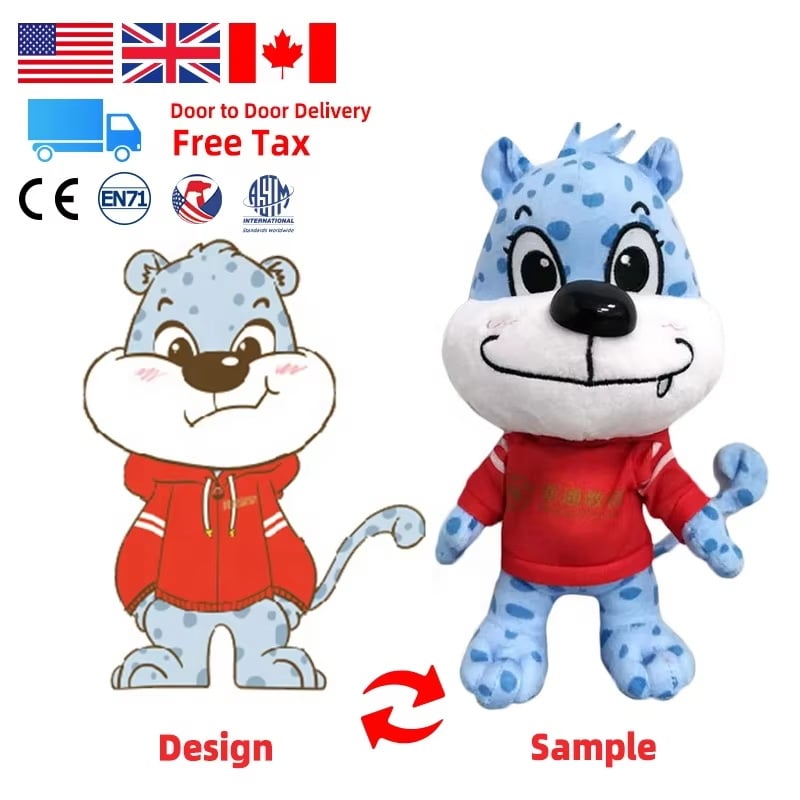
When it comes to plush toys that carry real meaning, custom made stuffed animals stand in a category entirely their own. Unlike mass-produced toys that roll off a factory line by the thousands, these are plush creations designed around a specific vision — a particular character, mascot, pet likeness, or brand identity. They are built from the ground up to match a client's exact requirements, from the shape of the ears to the texture of the fabric and the color of the eyes. For businesses, creators, and individuals alike, understanding what custom made stuffed animals actually are — and how they come to life — is the first step toward making an informed decision about commissioning one.
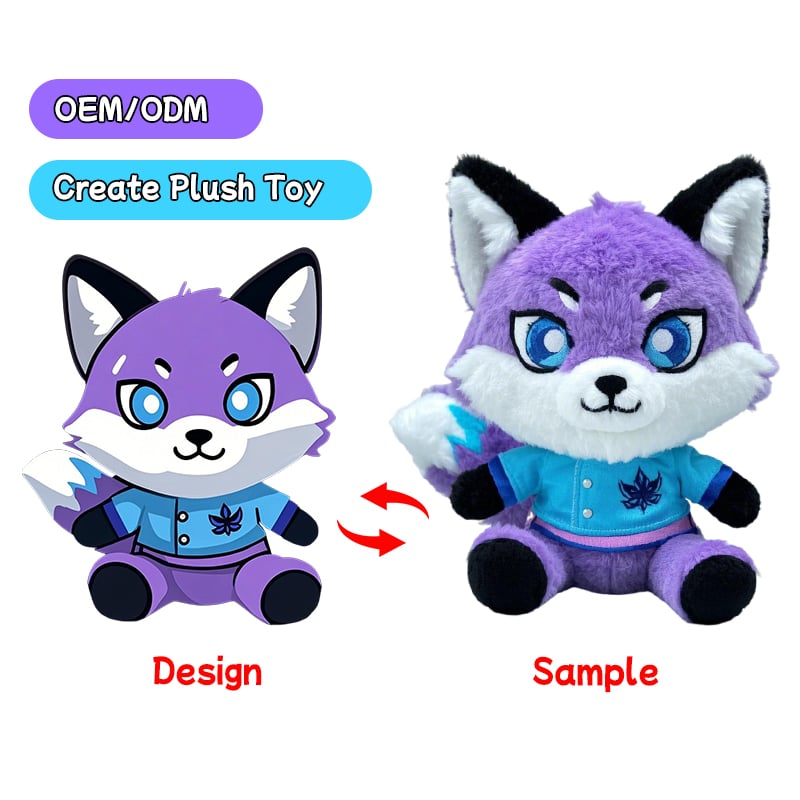
The demand for custom made stuffed animals has grown steadily across multiple industries. Corporate brands use them as promotional merchandise and mascot products. Entertainment companies bring fictional characters to life in plush form. Parents commission them to recreate a child's beloved drawing or a family pet. Regardless of the use case, the process behind creating custom made stuffed animals follows a structured, craft-intensive workflow that blends design expertise, material science, and manufacturing precision. This article breaks down exactly what these products are and walks through how they are created from concept to finished toy.
Defining Custom Made Stuffed Animals
What Sets Them Apart from Standard Plush Toys
Standard stuffed animals are designed once and reproduced at scale. The design decisions — shape, size, color, material — are made by the manufacturer and remain fixed across every unit sold. Custom made stuffed animals work in the opposite direction. The client provides the creative direction, and the manufacturer's role is to translate that vision into a physical product. This fundamental difference means that no two custom orders are necessarily alike, and the production process must be flexible enough to accommodate a wide range of specifications.
Custom made stuffed animals can take virtually any form. They may replicate a real animal with photorealistic accuracy, bring a cartoon character to three-dimensional life, or embody an entirely original creature that exists nowhere else. The defining characteristic is not the subject matter but the process: every element of the toy is determined by the client's brief rather than a pre-existing template. This makes custom made stuffed animals a genuinely bespoke product in the truest sense of the word.
From a commercial standpoint, custom made stuffed animals also differ in their minimum order quantities, lead times, and pricing structures. Because each project requires its own pattern development and sampling phase, the economics are different from buying off-the-shelf inventory. Understanding this distinction helps buyers set realistic expectations before entering the production process.
The Range of Applications for Custom Plush
Custom made stuffed animals serve a remarkably broad range of purposes. In the corporate world, they function as branded merchandise, trade show giveaways, employee recognition gifts, and customer loyalty items. A company mascot rendered in plush form creates a tangible, memorable brand touchpoint that digital assets simply cannot replicate. The physical presence of a well-crafted stuffed animal carries emotional weight that reinforces brand identity in a lasting way.
In the entertainment and media space, custom made stuffed animals are used to produce licensed character merchandise, crowdfunding rewards, and fan merchandise for independent creators. Game developers, animators, and illustrators frequently commission plush versions of their characters to offer as collectibles or retail products. The ability to control every design detail ensures that the plush version remains faithful to the original artwork.
On a personal level, custom made stuffed animals are commissioned as memorial gifts, pet replicas, and one-of-a-kind keepsakes. A plush version of a beloved pet, for example, requires careful attention to color matching, fur texture, and facial expression — all of which are only achievable through a fully custom production process. These personal commissions represent some of the most detail-intensive work in the custom plush industry.
The Design Phase: Translating Vision into Specification
Gathering the Creative Brief
Every custom made stuffed animal begins with a creative brief. This is the document or collection of references that communicates the client's vision to the design and production team. A strong brief includes reference images or original artwork, desired dimensions, color specifications, material preferences, and any functional requirements such as sound modules, removable accessories, or specific safety certifications. The more detailed the brief, the more accurately the final product will reflect the original vision.
For clients who are working from original artwork — such as an illustrator or game developer — the brief typically includes front, side, and back views of the character. These orthographic references allow the pattern maker to understand how a two-dimensional design translates into three-dimensional form. When only a single reference image is available, the design team must make interpretive decisions, which is why thorough briefing conversations are an important part of the early process for custom made stuffed animals.
Material selection is also addressed during the briefing phase. Different fur fabrics — short pile, long pile, minky, velboa — produce very different tactile and visual results. The choice of stuffing material affects the toy's weight, softness, and shape retention. Eye styles, from safety eyes to embroidered eyes to printed eyes, each carry different aesthetic and safety implications. All of these decisions are ideally locked in before pattern development begins.
Pattern Making and 3D Prototyping
Once the brief is finalized, skilled pattern makers translate the design into a set of flat fabric panels that, when cut and sewn together, will produce the intended three-dimensional shape. This is one of the most technically demanding stages in creating custom made stuffed animals. Pattern making for plush requires an understanding of how fabric stretches, how seams affect silhouette, and how stuffing density changes the perceived shape of each panel.
The initial pattern is used to produce a prototype, often called a 'pre-production sample' or 'PP sample.' This first physical version of the toy allows the client to evaluate the shape, proportions, color accuracy, and material feel before committing to full production. It is common for custom made stuffed animals to go through two or three rounds of sample revisions before the design is approved. Each revision addresses specific feedback — adjusting the eye placement, reshaping the snout, changing the fabric color, or modifying the stuffing firmness.
Some manufacturers now supplement traditional pattern making with digital 3D modeling tools, which allow clients to visualize the toy from multiple angles before any physical sample is produced. This can reduce the number of physical revision rounds and shorten the overall development timeline. However, the physical sample remains the definitive approval step, as digital renders cannot fully replicate the tactile qualities of the finished product.
The Production Phase: Materials, Cutting, and Assembly
Fabric Selection and Material Sourcing
The materials used in custom made stuffed animals directly determine the product's quality, safety profile, and visual appeal. Plush fabric is the primary material, and it comes in a wide variety of pile heights, textures, and fiber compositions. Short-pile fabrics produce a smooth, clean look suitable for characters with defined features. Long-pile fabrics create a fluffy, soft aesthetic that works well for animals meant to evoke warmth and comfort. Specialty fabrics such as faux sherpa, velboa, and printed minky expand the design possibilities further.
For custom made stuffed animals intended for children, material safety is a non-negotiable consideration. Fabrics must meet relevant safety standards such as EN71 in Europe or ASTM F963 in the United States. This means using non-toxic dyes, flame-retardant treatments where required, and stuffing materials that are free from harmful substances. Reputable manufacturers will provide material safety documentation as part of the production process, and clients should request this proactively.
Accessories and embellishments — ribbons, clothing, embroidered details, printed patches — are also sourced during this phase. Each accessory must be evaluated for durability and safety, particularly if the toy is intended for young children. Buttons, for example, are generally avoided in favor of embroidered or heat-transfer alternatives that cannot be detached and swallowed.
Cutting, Sewing, and Stuffing
With approved patterns and sourced materials in hand, production of custom made stuffed animals moves into the cutting phase. Fabric panels are cut according to the approved pattern pieces, either by hand or using die-cutting equipment for larger production runs. Precision at this stage is critical — even small deviations in panel dimensions can affect the final shape of the toy.
Sewing is performed by skilled operators who assemble the cut panels into the toy's body, limbs, and facial features. The order of assembly matters: certain seams must be completed before others to allow the toy to be turned right-side-out and stuffed correctly. Facial features such as embroidered eyes, noses, and mouths are typically applied at a specific stage in the assembly sequence to ensure proper alignment and tension.
Stuffing is the final step before the toy is closed. The type and density of stuffing used in custom made stuffed animals significantly affects the finished product's feel and shape. Polyester fiberfill is the most common stuffing material, available in varying grades of softness and loft. Some designs call for pellet filling in certain areas — such as the base or paws — to add weight and improve the toy's ability to sit upright. After stuffing, the final opening is hand-sewn closed, and the toy undergoes a quality inspection before packaging.
Quality Control and Safety Compliance
Inspection Standards for Custom Plush
Quality control for custom made stuffed animals involves both visual inspection and functional testing. Visual inspection checks for consistent stitching, correct color matching, proper alignment of facial features, and the absence of loose threads or fabric defects. Functional testing evaluates the durability of seams, the security of attached components, and the integrity of any electronic or sound elements included in the design.
For custom made stuffed animals entering regulated markets, third-party laboratory testing is often required. This testing verifies that the product meets applicable safety standards for the target age group and market. Test reports are typically required by major retailers and e-commerce platforms as a condition of listing. Clients should clarify testing requirements early in the project to ensure that the production timeline accounts for the time needed to obtain certifications.
Beyond regulatory compliance, quality control also serves the client's brand interests. A custom plush product that arrives with inconsistent stitching or color variation reflects poorly on the brand it represents. Establishing clear quality benchmarks during the sampling phase — and documenting them in a written quality agreement — gives both the client and the manufacturer a shared standard to work toward throughout production.
Packaging and Delivery Considerations
The final stage of producing custom made stuffed animals involves packaging and logistics. Packaging choices range from simple polybags to custom-printed boxes that reinforce the brand experience. For retail products, packaging must comply with suffocation warning requirements and include appropriate labeling for the target market. For promotional or gifting applications, packaging is often an important part of the overall product presentation.
Shipping custom made stuffed animals in bulk requires careful attention to carton sizing, weight distribution, and moisture protection. Plush toys are compressible, which can be advantageous for shipping efficiency, but compression must not be so severe that it permanently deforms the toy's shape. Experienced manufacturers will advise on appropriate packing methods to ensure that the toys arrive in the same condition they left the factory.
Lead times for custom made stuffed animals vary depending on the complexity of the design, the number of sample revision rounds, and the production quantity. A straightforward design with a single sample revision might be completed in eight to ten weeks. More complex projects with multiple revisions and large production volumes can take sixteen weeks or longer. Building adequate lead time into the project plan is one of the most important practical considerations for any custom plush commission.
FAQ
What is the typical minimum order quantity for custom made stuffed animals?
Minimum order quantities for custom made stuffed animals vary by manufacturer, but most factories require a minimum of 100 to 300 units per design to make the pattern development and sampling costs economically viable. Some manufacturers offer lower minimums for simpler designs or at a higher per-unit cost. It is worth discussing your quantity requirements upfront to find a production partner whose minimums align with your project scope.
How long does it take to produce custom made stuffed animals from concept to delivery?
The production timeline for custom made stuffed animals typically ranges from eight to sixteen weeks, depending on design complexity, the number of sample revisions required, and the production quantity. The sampling phase alone can take three to five weeks if multiple revision rounds are needed. Clients should plan their timelines accordingly and avoid compressing the sampling phase, as this is where design accuracy is established.
Can custom made stuffed animals meet international safety standards?
Yes, custom made stuffed animals can be produced to meet a wide range of international safety standards, including EN71 for the European market, ASTM F963 for the United States, and AS/NZS 8124 for Australia and New Zealand. Meeting these standards requires using compliant materials, following appropriate construction methods, and obtaining third-party laboratory test reports. Clients should specify their target market and required certifications at the start of the project so that the manufacturer can source appropriate materials and plan for testing.
What artwork or references are needed to start a custom plush project?
To begin developing custom made stuffed animals, manufacturers typically need clear reference images showing the character or animal from multiple angles — ideally front, side, and back views. High-resolution artwork with color specifications is preferred. If you are working from a photograph of a real animal or pet, multiple photos from different angles and in good lighting will help the design team capture the key features accurately. The more complete your reference materials, the fewer revision rounds will be needed during the sampling phase.
Table of Contents
- Defining Custom Made Stuffed Animals
- The Design Phase: Translating Vision into Specification
- The Production Phase: Materials, Cutting, and Assembly
- Quality Control and Safety Compliance
-
FAQ
- What is the typical minimum order quantity for custom made stuffed animals?
- How long does it take to produce custom made stuffed animals from concept to delivery?
- Can custom made stuffed animals meet international safety standards?
- What artwork or references are needed to start a custom plush project?