EN
EN
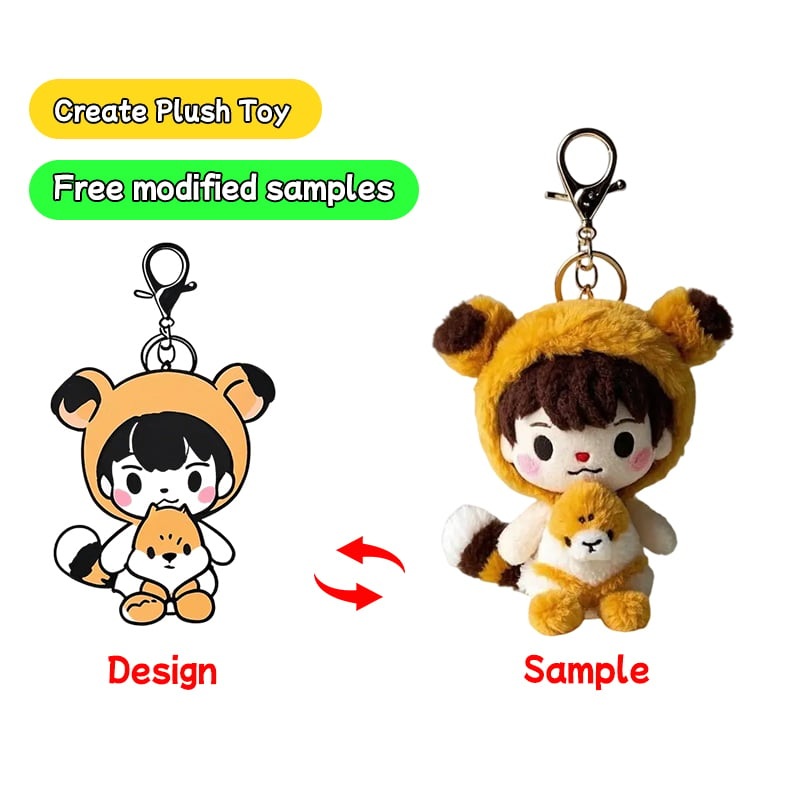
A plush toy keyring is a small, soft, stuffed character or animal figure attached to a metal keychain ring or clip, designed to be carried on keys, bags, backpacks, or zipper pulls. Unlike traditional keychains made of metal or hard plastic, a plush toy keyring combines the tactile comfort of a stuffed toy with the everyday functionality of a keychain accessory. These miniature companions have become a staple in gift retail, promotional merchandise, and personal fashion accessories, appealing to a remarkably wide demographic that spans children, teenagers, and adults alike.
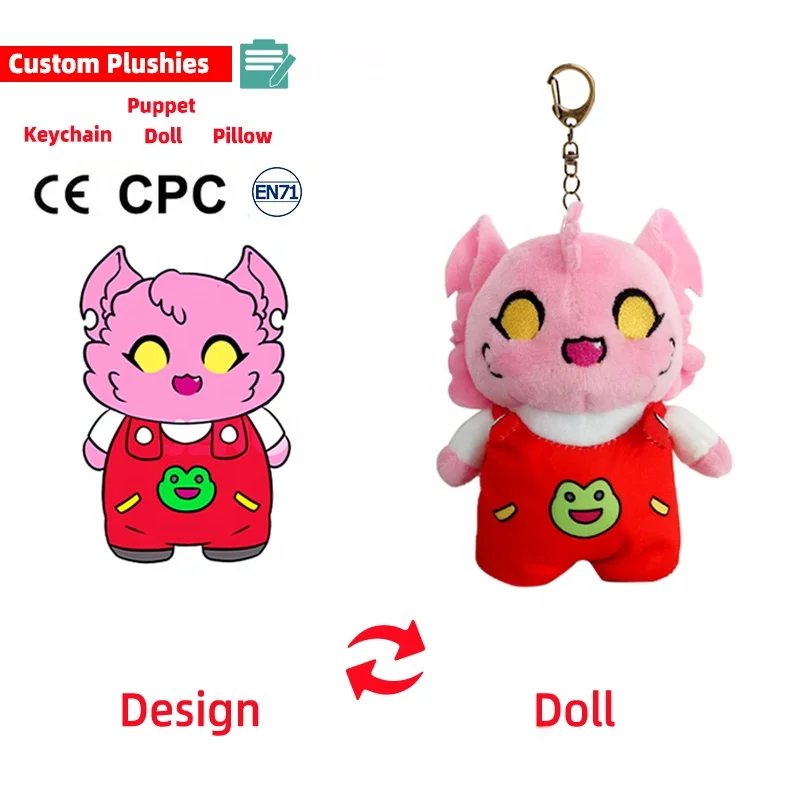
Understanding what a plush toy keyring is and why it has captured such sustained global demand requires looking at both its physical construction and the deeper psychological and cultural forces that drive consumer behavior. From custom branded merchandise to collectible fan items, the plush toy keyring occupies a unique position in the soft goods market — one that balances emotion, identity, and practicality in a format small enough to fit in the palm of your hand.
Defining the Plush Toy Keyring: Construction and Components
Materials and Structure
A plush toy keyring is typically constructed using a soft outer fabric — most commonly polyester plush or velboa — filled with PP cotton or similar polyester fiber stuffing. The outer shell is sewn into a recognizable shape such as an animal, cartoon character, food item, or abstract figure, then finished with embroidered or printed facial details. The size generally ranges from 5 cm to 15 cm, making it compact enough to attach to everyday items without adding noticeable weight or bulk.
The keychain component itself is usually a metal split ring, lobster claw clasp, or carabiner clip, attached to the plush body through a reinforced fabric loop or a short cord sewn securely into the toy's head or back. Quality construction pays particular attention to this attachment point, as it must withstand repeated daily use without tearing or loosening. In professional manufacturing, safety standards require that this stitching and hardware meet tensile strength requirements appropriate to the toy's intended age group and usage environment.
Some versions of the plush toy keyring incorporate additional features such as sound chips that produce squeaking or music when squeezed, LED lights embedded into the filling, or scented materials infused into the fabric. These value-added elements increase sensory appeal and help differentiate products in competitive retail and promotional markets.
How It Differs from Standard Plush Toys
While a standard plush toy is designed primarily for play, display, or comfort, the plush toy keyring is engineered for portability and attachment. This changes several design parameters. The stuffing must be denser and more evenly distributed to maintain shape despite frequent handling. The seams are reinforced more heavily because the toy endures physical stress from being tossed into bags and pulled out repeatedly throughout the day.
Proportions also differ. A standard plush toy can have elongated limbs, oversized heads, or delicate accessories, but a plush toy keyring must be designed with a more compact, cohesive silhouette so that all elements stay intact during regular use. Decorative additions like ribbons, small hats, or accessories are typically attached using reinforced stitching or heat-bonded techniques rather than simple gluing, which might loosen with wear.
The Cultural and Emotional Appeal Behind Plush Toy Keyrings
Emotional Attachment and Comfort Objects
One of the primary reasons a plush toy keyring resonates so strongly with consumers is that soft toys carry inherent emotional weight. Research in consumer psychology consistently shows that soft textures trigger associations with comfort, safety, and positive memories, often rooted in childhood experiences with stuffed animals. A plush toy keyring extends this emotional connection into adult life in a socially acceptable, functional format.
Carrying a small plush character on a bag or keychain can serve as a micro-comfort object — a tactile reminder of a favorite character, a meaningful gift from someone special, or simply a personal expression of playfulness. This emotional utility is distinct from purely decorative accessories and explains why consumers often develop genuine attachment to their plush toy keyring rather than viewing it as a disposable item.
Gift-givers also recognize this emotional dimension. A plush toy keyring designed around someone's favorite animal, color, or character transforms a practical item into a personal, thoughtful gesture. This positions it strongly in the gift retail sector, where emotional resonance often drives purchase decisions more than price or technical features.
Identity Expression and Pop Culture Alignment
The popularity of a plush toy keyring is closely tied to its role as a wearable identity marker. In contemporary consumer culture, people curate their personal aesthetic through every accessory they carry, and a plush keychain communicates personality, fandoms, and affiliations without requiring explanation. Fans of particular animated series, gaming franchises, or character universes often collect plush toy keyrings as tangible expressions of their interests.
This alignment with pop culture and fandoms gives the plush toy keyring category remarkable commercial momentum. When a new character gains popularity through film, gaming, or social media, demand for associated merchandise — including plush keyrings — spikes rapidly. Manufacturers and retailers who can respond quickly to these cultural moments with accurate, quality character reproductions capture significant market share.
Beyond fandom, the plush toy keyring also functions as a fashion accessory in certain demographics. Attaching multiple small plush characters to a bag has become a recognized aesthetic in several youth fashion communities globally, transforming the humble keychain into a layered style statement that can be curated, traded, and updated seasonally.
Why Plush Toy Keyrings Are Popular in Gift, Retail, and Promotional Markets
Giftability and Universal Appeal
The plush toy keyring occupies an almost uniquely advantageous position in gift retail because it combines several qualities that make a product easy to give: it is affordable, universally inoffensive, practically useful, and visually charming. These characteristics mean it works as a standalone gift, a stocking stuffer, a party favor, or a premium add-on item. Few product categories can claim all of these attributes simultaneously.
Retailers benefit from the plush toy keyring format because it takes up minimal shelf space while offering high perceived value relative to its production cost. Display flexibility — from hanging racks to counter displays to basket fills — makes merchandising straightforward. Impulse purchase rates for small plush accessories are consistently high in gift shops, toy stores, and tourist retail environments, where shoppers are already in a receptive emotional state.
Promotional and Branded Merchandise Applications
In the B2B promotional products market, the plush toy keyring has emerged as a compelling alternative to conventional branded merchandise such as pens, mugs, and tote bags. Custom-designed plush keyrings carrying a brand's mascot, logo character, or product-inspired shape offer a memorability advantage that hard goods cannot easily replicate. Soft toys are kept, displayed, and noticed in ways that many other giveaways are not.
Organizations across industries — from technology companies and financial institutions to sports teams and theme parks — commission custom plush toy keyring products for trade shows, employee gifts, seasonal campaigns, and loyalty reward programs. The ability to fully customize shape, color, facial expression, and branding details means each piece becomes a unique brand ambassador rather than a generic token.
Custom manufacturing of a plush toy keyring at scale is well-suited to MOQ-based B2B procurement, with professional manufacturers offering design consultation, prototype sampling, safety compliance documentation, and flexible packaging solutions. This makes the category highly accessible for companies exploring merchandise programs without requiring significant internal design or production expertise.
Key Factors That Drive Consumer Purchase Decisions for Plush Toy Keyrings
Design Quality and Character Accuracy
When a consumer evaluates a plush toy keyring, design quality is typically the first and most influential factor. The accuracy with which a character or shape is reproduced — proportions, color matching, facial expression, texture — determines whether the piece feels premium or cheap. In licensed product markets, this accuracy is non-negotiable; in custom or original designs, it reflects the manufacturer's skill and tooling capability.
Fabric quality contributes significantly to perceived value. A plush toy keyring made from high-pile, vibrant fabric with clean seams and neatly finished embroidery commands higher retail prices and earns stronger repeat purchase loyalty than a poorly constructed equivalent. Buyers, both consumer and trade, increasingly scrutinize these quality signals as the market has matured and product standards have risen.
Safety Certifications and Age Appropriateness
For any plush toy keyring intended for children or marketed in regulated markets, safety certifications are a critical purchase and procurement factor. Standards such as EN71 in Europe and ASTM F963 in North America govern materials safety, small parts restrictions, flammability, and mechanical strength. Products that carry these certifications signal to retailers, parents, and corporate buyers that the manufacturer operates responsibly and that the product is safe for its intended audience.
The keychain hardware specifically draws attention in safety evaluations. Metal components must be free of harmful surface treatments; the ring or clasp must not present a sharp edge or pinch hazard. Responsible plush toy keyring manufacturers build these compliance considerations into their design and production processes from the beginning, rather than treating certification as an afterthought.
FAQ
What makes a plush toy keyring different from other keychain accessories?
A plush toy keyring differs from metal, rubber, or acrylic keychains primarily through its material composition and emotional appeal. It is made of soft fabric and stuffing, giving it a tactile warmth that hard-material keychains lack. This softness, combined with character-based designs, makes it both a functional keychain and a personal expression piece, which is why it attracts broader consumer interest across age groups and occasions.
Are plush toy keyrings suitable for corporate promotional use?
Yes, a plush toy keyring is highly suitable for corporate promotional use. Its customizability allows brands to create a unique mascot or brand-inspired character, making it a memorable giveaway that stands out from conventional promotional items. It is well-suited for trade shows, customer appreciation campaigns, product launches, and employee recognition programs, offering strong brand recall at a competitive cost per unit when ordered in volume.
What size is typical for a plush toy keyring used in retail or gifting?
Most retail and gift-focused plush toy keyring products range between 7 cm and 12 cm in overall height, which balances visual impact with portability. Smaller sizes around 5 cm to 7 cm are popular for bag charm applications where weight and bulk are concerns, while slightly larger versions at 10 cm to 15 cm offer more design detail and a more prominent display presence on keys or bags.
How should I evaluate the quality of a plush toy keyring before purchasing in bulk?
When evaluating a plush toy keyring for bulk purchase, assess the fabric quality and pile density, the precision of embroidery or printed features, the strength of the seam along the keychain attachment point, the durability of the metal hardware, and whether the product meets relevant safety certifications for your target market. Requesting a physical sample before committing to a production order is the most reliable way to verify these factors and align on quality expectations with your manufacturer.