EN
EN
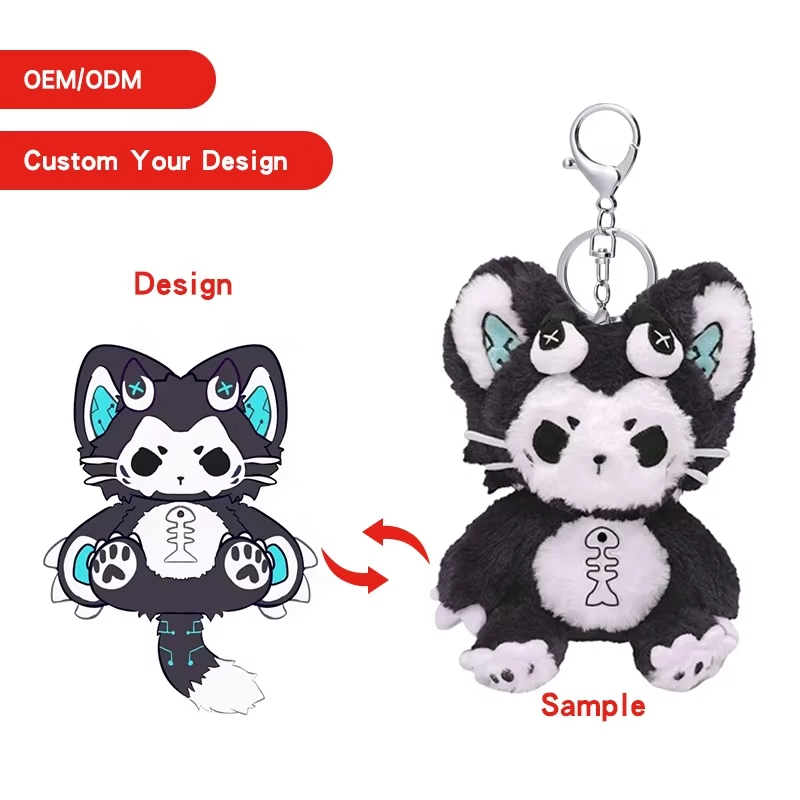
Ordering custom plush products for the first time can feel straightforward, but the reality is far more nuanced than most buyers expect. Whether you are a brand owner planning a promotional campaign, a toy entrepreneur launching a product line, or an event organizer looking for memorable giveaways, understanding the fundamentals of the custom plush process before you place an order will save you significant time, money, and frustration. The decisions you make at the very beginning of a project — from material selection to minimum order quantities — will directly shape the final result you hold in your hands.
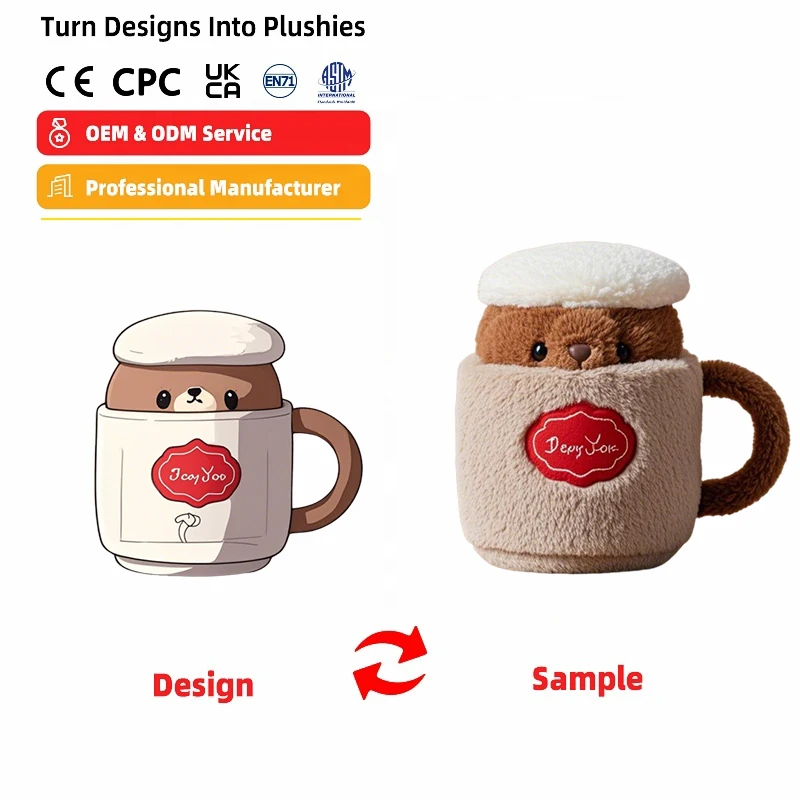
The custom plush industry has grown dramatically over the past decade, serving markets as diverse as licensed character merchandise, corporate branding, educational toys, and collectibles. With so many manufacturers and design options available, buyers often find themselves overwhelmed by choices they were not prepared to make. This article walks you through every critical consideration — from design preparation and material choices to sampling, compliance requirements, and production timelines — so you can approach your custom plush order with confidence and clarity.
Understanding What Makes Custom Plush Different from Standard Toys
The Nature of Custom Production
Unlike buying off-the-shelf toys, commissioning a custom plush product means you are requesting the creation of something that does not yet exist. Every element — from the shape of the body to the color of the fabric, the style of the eyes, and the internal fill density — must be specified, communicated, and approved before a single unit enters production. This makes the ordering process fundamentally different from purchasing a standard item at wholesale.
Because custom plush manufacturing involves pattern creation, fabric sourcing, hand-sewing, and quality inspection, there is a production chain behind every order that standard wholesale simply bypasses. Understanding this chain helps buyers set realistic timelines, communicate accurate expectations to stakeholders, and avoid the common mistake of treating a custom order like a simple reorder from a catalog. Each new design is essentially a small manufacturing project in its own right.
This is also why experienced buyers invest time in the pre-production phase. Getting the brief right, ensuring the design file is usable, and agreeing on materials before sampling begins will reduce costly revisions later. The more clearly you define what you want at the outset of a custom plush project, the smoother and faster the entire workflow becomes.
Types of Custom Plush Products Available
The scope of what can be made as a custom plush product is remarkably broad. Common categories include stuffed animals, character plushies based on original illustrations, mascot toys, pillow plush, keychain-sized mini plush, and wearable plush accessories. Each type has different construction requirements, cost structures, and minimum viable order quantities. Before approaching a manufacturer, it is important to know which category your product falls into, as this affects pricing from the first conversation.
Mascot and character-based custom plush toys typically require the most detailed briefing, as they need to visually represent an existing brand or character with accuracy. Simpler shapes, like basic animal forms with embroidered features, tend to have lower sampling costs and faster turnaround. Novelty formats such as reversible plush or scented plush add another layer of complexity. Defining your product type early helps you frame conversations with manufacturers more effectively and benchmark realistic pricing expectations.
Design Preparation and Artwork Requirements
What Artwork You Need to Provide
One of the most common bottlenecks in custom plush production is inadequate design preparation. Most manufacturers require reference images or technical illustrations that show the product from multiple angles — typically front, back, side, and top. If you are working from a character design, providing vector artwork or high-resolution illustrations in formats like AI, PSD, or PDF will allow the factory's pattern makers to interpret your concept accurately. Low-resolution or single-angle references often result in samples that miss the mark.
For entirely original designs, some custom plush manufacturers offer design services where their in-house team can translate a concept sketch into a production-ready brief. If you use this service, expect it to add time and potentially a design fee to your project. However, investing in professional design consultation early on is far more cost-effective than rejecting multiple samples because the brief was unclear. The cleaner your design input, the more closely the final product will match your vision.
Color accuracy is another important consideration. Fabric colors do not map directly to Pantone or CMYK values used in print and digital design. When briefing for a custom plush order, specifying Pantone color references is standard practice, but buyers should also be prepared to approve physical fabric swatches before production begins. What looks like a specific blue on screen may translate differently across different fabric types, pile lengths, and weave densities.
Size, Shape, and Structural Complexity
The physical dimensions of your custom plush product will have a direct impact on material costs, packaging requirements, and shipping weight. Larger plush toys are more expensive to produce per unit and significantly more expensive to ship, which matters when calculating landed cost and retail pricing. Smaller plush formats, such as clip-on or keychain plush, use less material but often require more intricate sewing and may have higher labor costs relative to their size.
Structural complexity refers to features like wire armatures for posable limbs, rattles or squeakers inside, embroidered facial details versus plastic safety eyes, and multi-piece construction with separate appendages. Each added feature increases tooling or component cost and adds production time. When briefing a custom plush manufacturer, clearly listing all required functional and decorative features upfront allows them to provide an accurate and complete quote rather than a base price that grows through revision requests.
Sampling, Prototyping, and Approval Stages
Why Sampling Is Non-Negotiable
No matter how detailed your brief, requesting a physical sample before committing to a full production run of custom plush products is essential. A physical sample allows you to evaluate fabric texture, color accuracy, proportions, stitching quality, and overall feel in a way that digital mockups simply cannot replicate. Approving a physical sample is the single most important step in protecting both your investment and your brand's reputation.
Sample production for custom plush orders typically takes two to four weeks, depending on complexity, and usually carries a sample fee. This fee is often credited back to your account upon a confirmed production order, but this varies by manufacturer. Expect at least one or two rounds of sample revision to be part of a normal project. Budget for this timeline and cost from the beginning so it does not disrupt your launch schedule.
When reviewing a sample, evaluate it against your original reference systematically. Check color against your Pantone reference under natural light, test the fill density by squeezing the toy, inspect all stitching for consistency, verify that safety components like eyes and noses pass a pull-test, and confirm the overall size matches your specifications. Document any required changes with annotated photographs so revision instructions are unambiguous.
Managing Revisions and Final Approval
Revision rounds are a normal part of any custom plush project, but minimizing unnecessary revisions keeps costs and timelines under control. Each revision cycle typically adds one to two weeks and may include additional fees if changes require new patterns or components. To reduce revision frequency, consolidate all feedback from stakeholders before submitting revision comments, and prioritize changes by importance rather than addressing them piecemeal.
Final approval of a custom plush sample should be given in writing, clearly stating that the production run is authorized to proceed based on the approved sample. Retain the approved sample physically if possible, as it serves as the quality benchmark against which production units should be measured. Some buyers also request pre-shipment inspection services to verify that bulk production matches the approved sample before goods are shipped.
Minimum Order Quantities, Pricing, and Lead Times
Understanding MOQ and Its Business Implications
Minimum order quantity, commonly referred to as MOQ, is one of the first questions buyers ask when approaching a custom plush manufacturer — and one of the least understood. MOQs exist because custom production involves fixed setup costs: pattern making, fabric cutting templates, and any tooling for custom components. Spreading these costs across a larger quantity makes each unit more economical for both the factory and the buyer.
For most custom plush products, MOQs typically start anywhere from 100 to 500 units per design, though this varies considerably by manufacturer and product complexity. Buyers ordering below MOQ may face significantly higher per-unit pricing or may be declined entirely. If your initial order volume is modest, it is worth discussing this openly with manufacturers early in the conversation rather than discovering incompatibility after investing time in the sampling process.
Unit pricing for custom plush products is tiered, meaning larger quantities yield lower per-unit costs. When evaluating quotes, always calculate the total landed cost including sampling, tooling, freight, duties, and any compliance testing. A lower unit price from a manufacturer with high tooling fees may be more expensive overall than a slightly higher unit price from a manufacturer who absorbs some of those fixed costs into the standard production rate.
Lead Times and Production Planning
Production lead times for custom plush orders typically range from 30 to 75 days after sample approval and order confirmation, depending on order volume and factory capacity. These timelines do not include the sampling phase, which as mentioned adds another two to four weeks. When planning a product launch, a trade event, or a promotional campaign that relies on custom plush items, working backwards from your required delivery date to determine when you must place your order is critical.
Seasonal demand fluctuations in the toy industry mean that factory capacity is tightest in the months leading up to the fourth quarter. If your delivery window falls between August and November, placing your custom plush order early — ideally several months in advance — will secure your production slot and reduce the risk of delays. Communicating your hard deadline clearly and in writing at the time of order confirmation also provides a contractual basis for managing any timeline issues that arise.
Safety Standards and Compliance Requirements
Why Regulatory Compliance Matters for Plush Toys
Any custom plush product intended for sale in regulated markets must meet the toy safety standards applicable in those markets. In the United States, this means compliance with ASTM F963, the Consumer Product Safety Improvement Act (CPSIA), and where applicable, CPSC registration requirements. In the European Union, products must comply with the EN 71 toy safety directive. Other markets have their own equivalent frameworks. Failing to meet these standards exposes importers to fines, product recalls, and significant reputational damage.
Compliance testing for custom plush products typically covers mechanical and physical tests, flammability, chemical content of materials including fabric dyes and filling, and age-grading requirements. Toys intended for children under three years of age face the most stringent requirements, particularly around small parts and choking hazards. Eye and nose components on custom plush designs must pass pull-force testing under the relevant standard for the target market.
When selecting a custom plush manufacturer, ask specifically about their experience with compliance testing and whether they work with accredited third-party testing laboratories. Reputable manufacturers will be familiar with the testing process and can recommend certified labs. Budget for testing costs as a fixed line item in your project, and factor in the time required for testing — typically one to two weeks — when finalizing your overall project timeline.
Labeling, Age Grading, and Packaging Requirements
Beyond the toy itself, custom plush products must carry specific labeling to comply with market regulations. This typically includes the manufacturer's name and address, country of origin, age-grade warning, material content label, and care instructions. In the US, CPSC tracking labels are required on toys for children under 12. In the EU, CE marking and the relevant EN 71 compliance declaration must accompany the product.
Packaging for custom plush products is another area where compliance intersects with brand presentation. Polybag packaging for soft toys must include suffocation warnings if the bag exceeds a certain size threshold. Hang tags and box packaging must carry the same compliance information as the product label. Working with a manufacturer experienced in export to your target market will ensure that labeling and packaging are handled correctly, reducing the risk of customs holds or market rejection.
FAQ
How long does it take to receive a custom plush order from start to finish?
A complete custom plush project, from initial brief to final delivery, typically takes between eight and fourteen weeks depending on design complexity, the number of sample revision rounds needed, and production lead time. Buyers should also account for freight transit time, which can add one to four weeks depending on shipping method and destination. Planning conservatively is always advisable when working with custom manufactured products.
What information do I need to provide to get an accurate quote for a custom plush product?
To receive a meaningful quote for a custom plush order, you should provide reference images or artwork from multiple angles, the desired finished size, a list of all required features and components, your target quantity, your delivery market, and any specific compliance requirements. The more complete your brief, the more accurate and comparable the quotes you receive will be. Vague briefs typically result in placeholder pricing that changes significantly once details are clarified.
Can I order custom plush toys in very small quantities?
Most manufacturers that specialize in custom plush production require a minimum order quantity that justifies the setup costs associated with custom work. However, some manufacturers accommodate lower quantities at a higher per-unit price. If your required volume is very small, discussing your needs transparently early in the process will help identify whether a manufacturer can accommodate you. Alternatively, some buyers consolidate multiple designs into a single order to meet MOQ thresholds more efficiently.
What are the most common mistakes buyers make when ordering custom plush products for the first time?
The most frequent mistakes include underestimating lead times, providing incomplete or low-quality design references, skipping the physical sampling step to save time or cost, and failing to account for compliance testing requirements. First-time buyers of custom plush products also commonly overlook the full cost picture by focusing only on unit price while ignoring sampling fees, tooling costs, shipping, duties, and testing expenses. Working with an experienced custom plush manufacturer who guides buyers through each stage significantly reduces the likelihood of these costly errors.
Table of Contents
- Understanding What Makes Custom Plush Different from Standard Toys
- Design Preparation and Artwork Requirements
- Sampling, Prototyping, and Approval Stages
- Minimum Order Quantities, Pricing, and Lead Times
- Safety Standards and Compliance Requirements
-
FAQ
- How long does it take to receive a custom plush order from start to finish?
- What information do I need to provide to get an accurate quote for a custom plush product?
- Can I order custom plush toys in very small quantities?
- What are the most common mistakes buyers make when ordering custom plush products for the first time?