EN
EN
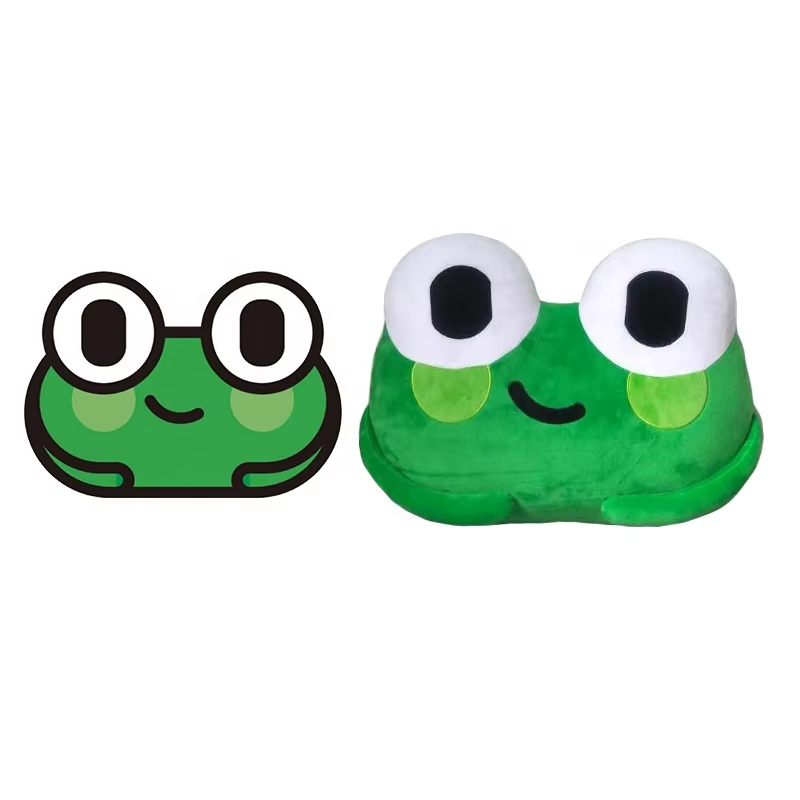
Deciding between custom plush and off-the-shelf standard toys is one of the most strategically significant product decisions a business can make. Whether you are a brand looking to deepen customer loyalty, a retailer building a private-label line, or a corporation planning a promotional campaign, the choice carries real commercial consequences. Custom plush offers a level of brand integration, emotional resonance, and marketing utility that standard toys simply cannot replicate, but understanding the right timing and context for that choice is what separates a profitable investment from an unnecessary expense.
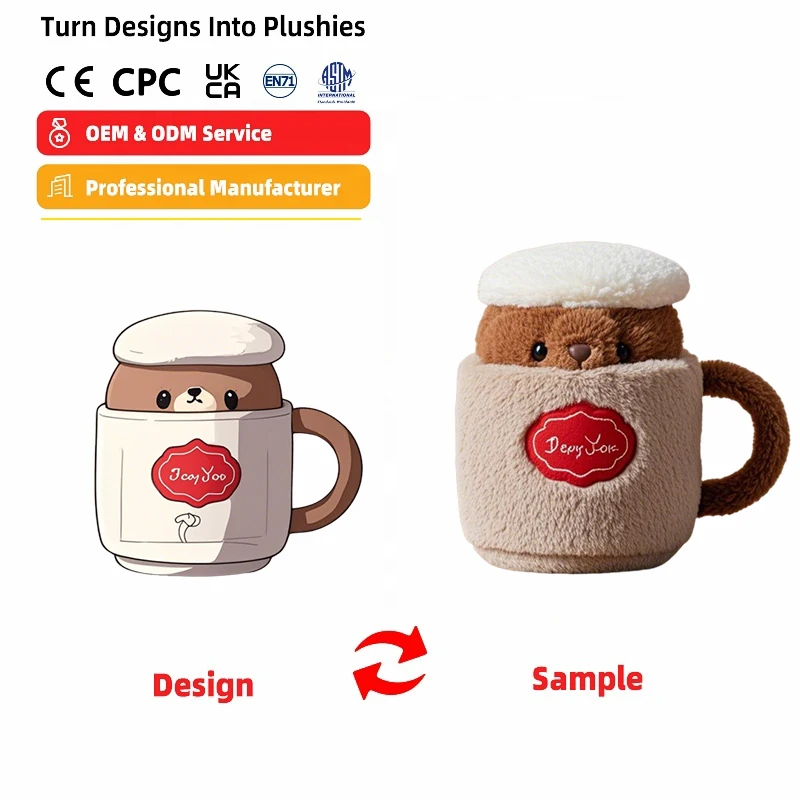
The business case for custom plush
is strongest when a company needs its product to do more than just sit on a shelf. Custom plush functions simultaneously as a product, a brand ambassador, a collectible, and a storytelling tool. This article breaks down the specific business conditions, strategic goals, and timing signals that indicate when a company should confidently choose custom plush over generic alternatives — and how to maximize that decision once made.
Understanding the Strategic Difference Between Custom Plush and Standard Toys
What Standard Toys Offer and Where They Fall Short
Standard toys are produced in bulk using predetermined shapes, materials, and designs. They are widely available, often cost-competitive at low quantities, and require minimal lead time. For businesses that simply need a functional product to fill a category with no branding requirements, standard toys can serve adequately. However, they are generic by definition — they carry no brand identity, no unique character, and no narrative value that can be tied back to a specific company.
The primary limitation of standard toys in a B2B context is their inability to differentiate. When a retailer stocks the same plush bear as a dozen other retailers, there is no competitive advantage. The product competes purely on price, and margin pressure becomes inevitable. For brands trying to build long-term emotional connections with customers, this is a significant strategic weakness that custom plush directly addresses.
Standard toys also leave no room for storytelling. Modern consumers, particularly in gift and collectible markets, respond strongly to products with a narrative — a character with a name, a backstory, or a tie-in to a brand universe. Standard toys simply cannot deliver this dimension, no matter how well they are packaged or merchandised.
What Custom Plush Uniquely Brings to the Table
Custom plush is developed from scratch or from a brand-approved brief. Every element — shape, size, material, color, facial expression, accessories, tags, and packaging — can be specified to meet a company's exact requirements. This means the final product is a physical representation of the brand, not just a toy. It carries brand equity, communicates values, and creates a tactile brand experience that no digital channel can replicate.
Custom plush also offers exclusivity. Because the design is proprietary, competitors cannot carry the same product. This exclusivity supports premium pricing, strengthens retailer relationships, and creates genuine product differentiation. For any business operating in a crowded product category, that exclusivity alone can justify the investment in custom plush development.
Additionally, custom plush allows businesses to respond to specific audience demographics, cultural preferences, and trend cycles in ways that standard toys never could. A company can create a custom plush that reflects regional aesthetics, seasonal themes, or IP tie-ins that align precisely with their market strategy for a given period.
The Right Business Scenarios for Choosing Custom Plush
Brand Identity and Licensed Character Programs
If your business owns or licenses a character, mascot, or IP, custom plush is essentially mandatory. Standard toys have no mechanism to represent a proprietary character. Brands that have invested in building a recognizable mascot — whether in entertainment, food service, financial services, or retail — need custom plush to give that character a three-dimensional, tangible form. The plush becomes a physical extension of the brand identity that customers can hold, display, and bond with.
Licensing programs in entertainment and media are among the most obvious use cases. When a studio releases a film or a streaming platform launches an original series, custom plush based on the characters becomes a core merchandising SKU. These products cannot be sourced from standard toy ranges — they must be developed specifically to match the character's visual specifications, personality, and licensing requirements.
Even businesses outside entertainment benefit from this logic. A hospitality brand with a beloved mascot, a tech company with a recognizable icon character, or a food brand with a long-standing visual symbol can all leverage custom plush to deepen brand affinity. The product becomes both merchandise and marketing, earning its place in a multi-channel brand strategy.
Corporate Gifting, Promotions, and Events
Corporate gifting is another high-value context in which custom plush consistently outperforms standard alternatives. When a business wants to give clients, partners, or employees a memorable gift that communicates care and brand investment, a custom plush featuring the company mascot or a relevant character sends a far more powerful message than a generic stuffed animal from a catalog. The recipient understands that the product was created specifically, which elevates the perceived value of the gesture.
For trade shows, product launches, and experiential marketing events, custom plush serves as a high-retention promotional item. Unlike printed materials or generic merchandise, a plush toy is kept, displayed, and shown to others — extending brand exposure long after the event ends. Research in promotional product marketing consistently shows that soft, tactile items like custom plush generate some of the highest rates of ongoing use and emotional recall among recipients.
Seasonal campaigns are also a strong fit for custom plush. Holiday gifting programs, anniversary editions, and limited-run seasonal characters all benefit from the exclusivity and emotional warmth that custom plush provides. These items can be produced in controlled quantities to drive urgency, support premium pricing, and create collectible appeal among brand loyalists.
Volume, Lead Time, and Cost Considerations That Affect the Decision
Minimum Order Quantities and Production Planning
One of the most common reasons businesses default to standard toys is the assumption that custom plush requires prohibitively large minimum order quantities. While it is true that custom plush involves design and sampling costs that make very small runs economically challenging, experienced manufacturers have made significant strides in lowering entry-level MOQs for custom plush programs. Businesses with a well-defined design brief and a realistic production timeline can access custom plush at quantities that fit mid-sized budgets.
The key planning factor is lead time. Custom plush development — from concept approval through sampling, revision, and bulk production — typically requires more time than reordering standard stock. Businesses that plan campaigns six to twelve months in advance are well positioned to incorporate custom plush into their product strategy without timing pressure. Businesses that operate on short cycles, however, need to either build inventory in advance or work with manufacturers who offer expedited development programs.
For businesses placing custom plush orders for the first time, starting with a conservative quantity to test market response is a sound approach. A well-designed custom plush often generates demand that exceeds initial expectations, making reorder capability and supply chain reliability important factors when selecting a manufacturing partner.
Cost Per Unit Versus Long-Term Brand Value
The cost-per-unit comparison between custom plush and standard toys can be misleading if evaluated in isolation. Standard toys are cheaper per unit on the surface, but they deliver zero brand differentiation, no exclusivity, and no premium pricing power. Custom plush, priced appropriately, often commands retail margins that far exceed those available on generic stock items. The unit economics, viewed across the full commercial lifecycle, frequently favor custom plush for brand-driven businesses.
Corporate gifting programs and promotional campaigns should evaluate custom plush against the cost of alternative brand touchpoints, not against the cost of standard toys. A custom plush used in a client retention campaign, for example, should be compared to the cost of a digital retargeting campaign or a direct mail program — not to the price of a generic stuffed bear. When framed this way, custom plush consistently demonstrates strong ROI, particularly for high-value B2B relationships where the gift recipient's lifetime value to the business is significant.
Industry Sectors Where Custom Plush Creates Measurable Business Value
Retail, E-Commerce, and Private Label Development
Retailers building private-label toy lines have strong structural reasons to choose custom plush over standard alternatives. A private-label custom plush program allows the retailer to own the design, control pricing, protect margin, and build brand equity within their own product offering. It eliminates dependence on national brands and enables product curation that reflects the retailer's specific customer base and aesthetic positioning.
E-commerce businesses operating in the gift, collectible, and children's toy categories have found custom plush to be a high-performing SKU category precisely because it photographs well, tells a story effectively through product listing copy, and generates strong word-of-mouth when customers share images of distinctive designs. A well-executed custom plush product can generate organic social media visibility that amplifies the return on the initial product development investment.
Subscription box businesses, boutique gift shops, and curated marketplaces also benefit significantly from custom plush as a differentiation tool. When their audience expects something they cannot find elsewhere, a proprietary custom plush character or design becomes a genuine subscription driver and retention mechanism.
Entertainment, Media, and Brand Licensing
Entertainment companies, game studios, streaming services, and media brands are among the most active and experienced users of custom plush programs for good reason. Their audiences are deeply invested in characters and stories, and custom plush provides a physical artifact of that emotional investment. A well-executed custom plush from a beloved game or show becomes a collector's item, a conversation starter, and a long-term brand asset.
For companies in early-stage brand building — independent studios, YouTube creators, independent game developers, and emerging media brands — custom plush represents one of the most effective ways to monetize audience loyalty while simultaneously deepening it. The act of owning a physical version of a digital character creates a real-world brand presence that strengthens the fan relationship beyond the screen.
Educational content brands and children's media companies also find custom plush to be a natural product category extension. Characters introduced through educational programming, apps, or books translate naturally into plush form, giving children a way to interact with their favorite learning companions in a tactile, imaginative context. This reinforces content engagement and builds multi-channel brand presence from a single character investment.
FAQ
What minimum order quantity is typically required for custom plush production?
Minimum order quantities for custom plush vary depending on the complexity of the design and the manufacturer's capabilities. Many experienced manufacturers offer programs starting from a few hundred units for simpler designs, while highly detailed or accessory-heavy custom plush may require larger initial runs. Businesses planning a first custom plush order should request a detailed quote that factors in sampling costs, tooling, and production minimums to understand the full investment picture.
How long does it take to develop a custom plush from concept to delivery?
A typical custom plush development timeline runs from eight to sixteen weeks from design approval to bulk delivery, depending on the complexity of the design, the number of revision rounds required during sampling, and the shipping method selected. Businesses with firm in-market deadlines, such as a product launch or a seasonal campaign, should communicate those dates clearly to their manufacturer from the outset so that production scheduling can be planned accordingly.
Can small businesses justify the investment in custom plush?
Yes, small businesses can absolutely justify custom plush investment when the product aligns with a clear brand strategy or revenue objective. The key is to evaluate the custom plush not purely as a toy but as a brand-building and revenue-generating asset. Boutique retailers, independent entertainment brands, niche e-commerce businesses, and small-scale corporate gifting programs have all successfully used custom plush to create premium offerings that support higher price points and stronger customer loyalty than standard toys ever could.
What makes custom plush a better promotional item than other branded merchandise?
Custom plush outperforms many other categories of branded merchandise in promotional contexts because of its emotional impact, physical presence, and long-term retention rate. Unlike pens, tote bags, or printed materials, a custom plush character is displayed, kept, and often shared with family members — multiplying its brand exposure over time. Its tactile and emotional qualities create a positive brand association that more utilitarian promotional items struggle to achieve, making it one of the highest-ROI promotional formats available to brand-conscious businesses.