EN
EN
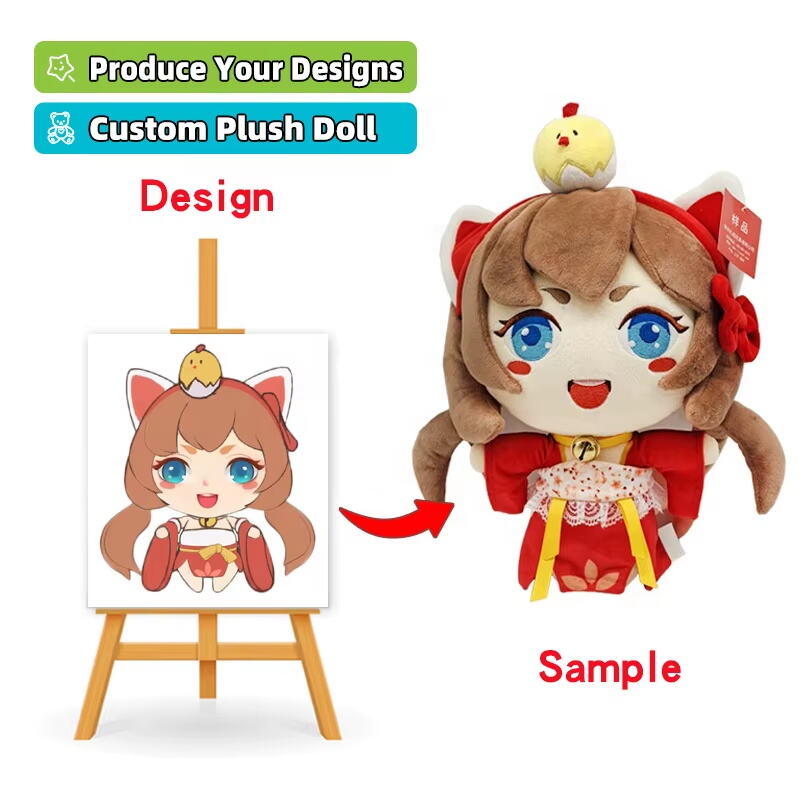
Comprendere la tempistica necessaria per la personalizzazione dei peluche è fondamentale per le aziende che pianificano lanci di prodotto, campagne promozionali o cicli di gestione dell’inventario al dettaglio. La durata del processo di personalizzazione varia notevolmente in base alla complessità del design, al volume dell’ordine, alle capacità del produttore e ai requisiti di approvvigionamento dei materiali. Che siate un responsabile del marchio che coordina un’iniziativa di marketing o un rivenditore che sviluppa una linea di prodotti unica, conoscere tempistiche realiste di produzione aiuta a prevenire ritardi costosi e garantisce l’allineamento con gli obiettivi aziendali. Il processo di personalizzazione dei peluche comprende diverse fasi sequenziali, ciascuna delle quali contribuisce alla tempistica complessiva; riconoscere queste fasi consente una pianificazione del progetto più accurata e una comunicazione più efficace con gli stakeholder.
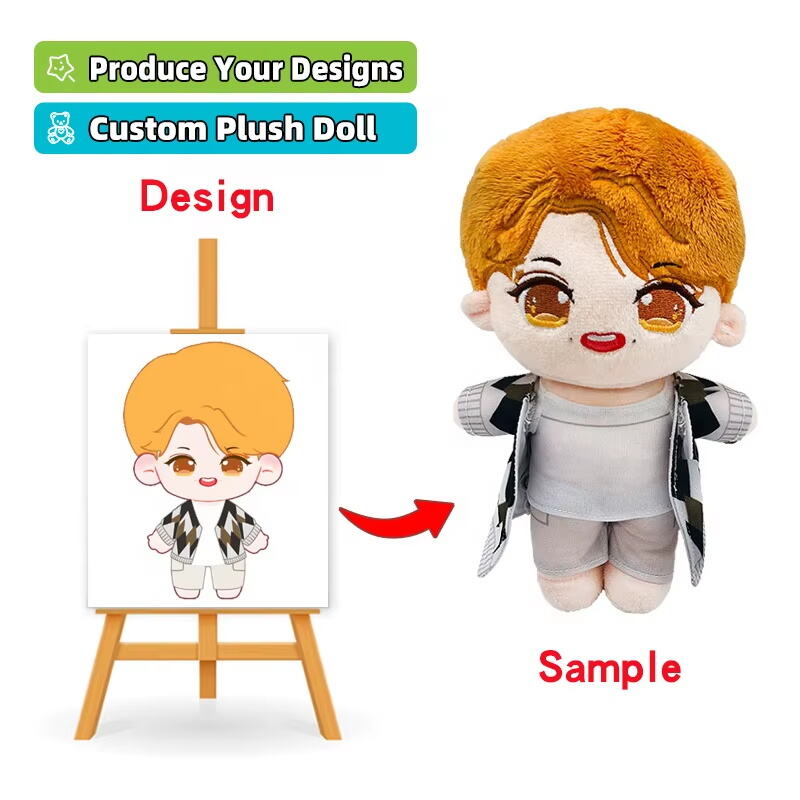
Il periodo necessario per la personalizzazione dei peluche varia generalmente da tre a dodici settimane, a partire dall'approvazione del progetto iniziale fino alla consegna finale; tuttavia questa finestra temporale può allungarsi o accorciarsi in base a specifici parametri del progetto. Questo cronoprogramma completo comprende il perfezionamento del design, lo sviluppo del prototipo, i cicli di approvazione dei campioni, la produzione su larga scala, i controlli qualità e la logistica della spedizione internazionale. Gli ordini di piccole dimensioni con design semplici possono essere eseguiti più rapidamente, mentre gli ordini di grandi volumi che prevedono dettagli complessi, tessuti specializzati o motivi ricamati articolati richiedono finestre produttive più lunghe. I produttori dotati di processi consolidati e linee di produzione dedicate riescono spesso ad accelerare i tempi, ma accelerare la produzione senza adeguati controlli di qualità rischia di compromettere l’integrità del prodotto finale, elemento fondamentale per il successo dei progetti di personalizzazione dei peluche.
Fase di sviluppo e approvazione del design
Traduzione iniziale del concetto e specifiche tecniche
Il viaggio di personalizzazione di peluche inizia con la traduzione dei concetti creativi in specifiche tecniche realizzabili industrialmente, un processo che richiede generalmente da una a due settimane, a seconda della complessità del design e della tempestività delle risposte del cliente. In questa fase, i produttori trasformano schizzi, immagini di riferimento o disegni del personaggio rappresentativo del marchio in dettagliati progetti di produzione che specificano dimensioni, codici colore, tipologie di materiale, schemi di cucitura ed elementi strutturali. Questo processo di traduzione richiede una comunicazione iterativa tra cliente e team di produzione, al fine di garantire che le specifiche finali rispecchino l’estetica desiderata pur rimanendo realizzabili entro i vincoli produttivi. I clienti che forniscono brief di design completi, con misure precise, riferimenti ai colori Pantone e chiare esigenze funzionali accelerano significativamente questa fase, mentre indicazioni creative vaghe richiedono più cicli di revisione, prolungando i tempi previsti.
Lo sviluppo delle specifiche tecniche comprende anche consulenze sulla selezione dei materiali, durante le quali i produttori raccomandano tessuti, materiali di imbottitura e tecniche costruttive adatte alla visione progettuale e ai parametri di budget. Questa fase collaborativa affronta aspetti pratici quali i requisiti di lavabilità, la conformità alle normative sulla sicurezza per diverse fasce d’età, le aspettative in termini di durata e le opportunità di ottimizzazione dei costi. Più i clienti sono preparati, con pieni poteri decisionali e linee guida chiare del marchio, più questa fase procede in modo efficiente, riducendo il tempo complessivo necessario per la personalizzazione dei peluche. I produttori esperti forniscono spesso campioni di materiali e opzioni costruttive già durante le prime consulenze, consentendo decisioni più rapide e riducendo il numero di revisioni iterative che potrebbero aggiungere giorni o settimane al cronoprogramma del progetto.
Sviluppo del prototipo e cicli di iterazione
Dopo l'approvazione della specifica tecnica, i produttori realizzano prototipi fisici che danno vita ai progetti: questo processo richiede tipicamente da sette a quattordici giorni per la produzione del primo campione. Tale prototipo costituisce il punto di riferimento fondamentale per valutare le proporzioni, l’accuratezza dei colori, la trama dei materiali, l’integrità strutturale e l’allineamento complessivo dell’estetica con la visione originale. La fase del prototipo evidenzia elementi progettuali che potrebbero necessitare di modifiche, come la collocazione delle caratteristiche del viso, la posizione degli arti, le proprietà di caduta del tessuto o la distribuzione del materiale imbottito, che influiscono sulla forma e sulla sensazione tattile finale del peluche. I produttori scattano fotografie del prototipo da diversi angoli e spediscono spesso i campioni ai clienti per una valutazione diretta, aggiungendo così i tempi di spedizione all’intera tempistica di approvazione.
La maggior parte dei progetti richiede almeno un ciclo di revisione dopo la prima valutazione del prototipo, con ogni iterazione che aggiunge circa una o due settimane al cronoprogramma per la personalizzazione dei peluche. Le richieste di revisione più comuni includono aggiustamenti cromatici per adattarsi in modo più preciso agli standard del marchio, modifiche delle dimensioni per soddisfare specifici requisiti di ingombro, sostituzioni di materiali per migliorare la texture o l’efficienza dei costi e affinamenti dei dettagli, come la densità del ricamo o i metodi di fissaggio degli accessori. I design complessi che prevedono più tipi di tessuto, motivi intricati o elementi meccanici, ad esempio chip sonori, potrebbero richiedere diverse iterazioni del prototipo prima di ottenere l’approvazione finale. I clienti possono ridurre il numero di cicli di revisione fornendo feedback dettagliati accompagnati da riferimenti fotografici, aggiustamenti specifici delle misure e richieste di modifica prioritarie anziché impressioni generiche, consentendo così ai produttori di risolvere tutti i punti critici in un’unica fase di revisione.
Pianificazione della produzione e approvvigionamento materiali
Approvvigionamento dei materiali e preparazione dell'inventario
Una volta ottenuta l'approvazione del prototipo, i produttori avviano i processi di approvvigionamento dei materiali, che richiedono generalmente da una a tre settimane, a seconda della disponibilità dei tessuti, del volume dell'ordine e dei rapporti con i fornitori. I materiali standard, come i tessuti in pile di poliestere, il materiale imbottente in poliestere (polyfill) e i filati nei colori base, sono spesso già disponibili a magazzino presso produttori consolidati, consentendo così l'avvio immediato della produzione per progetti che utilizzano materiali convenzionali. Tuttavia, la personalizzazione dei peluche con tessuti specializzati — ad esempio cotone organico, poliestere riciclato, materiali ignifughi o tessuti tinti su misura — richiede tempi di approvvigionamento più lunghi, poiché i fornitori devono produrre o reperire tali materiali specifici. Gli ordini di grandi dimensioni possono inoltre richiedere ai produttori di tessuti di realizzare partite di colore personalizzate, aggiungendo un tempo significativo alla fase di preparazione dei materiali.
I tempi di approvvigionamento dei materiali variano notevolmente in base alla posizione geografica e alla dinamica della catena di approvvigionamento: l’approvvigionamento interno è generalmente più rapido, ma potrebbe risultare più costoso rispetto all’importazione di materiali dall’estero. I produttori richiedono spesso acconti o il pagamento integrale prima di avviare l’approvvigionamento dei materiali per ordini di grandi dimensioni o altamente specializzati, poiché i materiali su misura comportano un consistente investimento iniziale che non può essere reindirizzato ad altri progetti. I clienti dovrebbero chiedere informazioni sui tempi di consegna dei materiali già durante le prime consulenze e valutare come le fluttuazioni della domanda legate alle stagioni — ad esempio gli aumenti di produzione pre-natalizi — possano influenzare la disponibilità dei materiali. Una pianificazione strategica che preveda tempistiche flessibili per la personalizzazione dei peluche consente ai produttori di ottimizzare l’approvvigionamento dei materiali evitando costi aggiuntivi per consegne accelerate, che potrebbero incrementare il costo complessivo del progetto dal quindici al trenta per cento.
Pianificazione della produzione e allocazione delle capacità
I produttori pianificano le produzioni in base alla capacità produttiva degli stabilimenti, agli ordini già confermati e alla complessità del progetto di peluche personalizzati; i tempi di pianificazione variano dall’avvio immediato a diverse settimane di attesa in coda durante i periodi di picco. Gli stabilimenti che operano a piena capacità nei periodi di alta domanda, come ad esempio da agosto a ottobre in vista della preparazione per la stagione festiva, potrebbero richiedere ai clienti di attendere l’apertura di slot produttivi, mentre nei periodi di bassa stagione sono disponibili opportunità di pianificazione più immediate. Anche la dimensione dell’ordine influenza la pianificazione: le produzioni su larga scala richiedono tempi dedicati sulla linea produttiva, da coordinare con gli altri impegni esistenti, mentre i lotti più piccoli possono talvolta essere inseriti nei flussi produttivi già in corso con minimo impatto.
I fattori da considerare nella programmazione della produzione includono i requisiti di formazione del personale per design complessi, i tempi di allestimento delle attrezzature per processi specializzati come la ricamatura o le applicazioni di trasferimento termico, e l’integrazione dei punti di controllo qualità lungo l’intero processo produttivo. I produttori esperti gestiscono calendari produttivi dettagliati che tengono conto della complessità del design, consentendo loro di fornire stime accurate dei tempi già durante le prime consulenze. I clienti che richiedono date di consegna garantite per lanci di prodotto o eventi promozionali devono comunicare tali scadenze vincolanti già nelle fasi iniziali delle trattative, poiché i produttori possono talvolta dare priorità agli ordini urgenti mediante accordi di programmazione premium, sebbene ciò comporti generalmente costi aggiuntivi. Comprendere i vincoli di capacità dello stabilimento aiuta a definire aspettative realistiche per i tempi di personalizzazione dei peluche e consente una pianificazione proattiva che tenga conto di eventuali ritardi nella programmazione.
Produzione in serie e cronoprogramma di fabbricazione
Durata del processo di taglio, cucitura e assemblaggio
La fase effettiva di produzione per personalizzazione di peluche richiede generalmente da due a sei settimane, a seconda della quantità ordinata, della complessità del design e della metodologia produttiva. Gli ordini piccoli di meno di cinquecento unità con design semplici in un unico tessuto possono spesso essere completati entro due o tre settimane, mentre gli ordini di grandi dimensioni superiori alle diecimila unità o caratterizzati da motivi complessi con più tessuti, ricami dettagliati o requisiti di assemblaggio articolati possono prolungare i tempi di produzione fino a sei settimane o più. Il processo produttivo inizia con il taglio del tessuto, eseguito manualmente per piccoli lotti oppure mediante sistemi di taglio computerizzati per volumi elevati, seguito da operazioni di cucitura sequenziali che uniscono i pannelli di tessuto, applicano gli elementi funzionali e creano la struttura base del peluche.
La complessità dell'assemblaggio influisce in modo significativo sulla velocità di produzione: i design semplici, con un numero ridotto di componenti, possono essere prodotti più rapidamente rispetto a personaggi complessi dotati di numerosi accessori, capi d'abbigliamento o elementi meccanici. Il lavoro di ricamo, in particolare per dettagli come i tratti del viso o l'applicazione di loghi, richiede attrezzature specializzate e operatori qualificati, potenzialmente generando colli di bottiglia nella produzione che allungano i tempi complessivi. I produttori organizzano tipicamente le linee di produzione per tipologia di operazione, assegnando ai lavoratori compiti specifici, quali l'applicazione dei tratti del viso, il riempimento o la cucitura finale, ottenendo così un'efficienza di tipo catena di montaggio che accelera la produzione mantenendo una qualità costante. Tuttavia, questa specializzazione comporta che la velocità di produzione dipenda dall'operazione più lenta della sequenza, rendendo fondamentale l'individuazione e la mitigazione dei colli di bottiglia per rispettare i tempi previsti.
Procedure di controllo qualità e ispezione
I processi di controllo qualità integrati in tutto il ciclo produttivo dei peluche personalizzati aggiungono circa tre a sette giorni ai tempi complessivi, ma si rivelano essenziali per garantire che la qualità del prodotto finale rispetti le specifiche e gli standard di sicurezza. I produttori applicano protocolli ispettivi multistadio che esaminano i materiali grezzi al momento della ricezione, effettuano controlli in itinere durante la produzione e svolgono ispezioni finali complete prima dell’imballaggio. Questi punti di controllo qualità verificano l’accuratezza cromatica rispetto ai campioni approvati, confermano le specifiche dimensionali, valutano l’integrità delle cuciture, analizzano la distribuzione del materiale imbottito per garantire una consistenza uniforme e assicurano il rispetto di tutti i requisiti di sicurezza, quali l’ancoraggio sicuro degli occhi e la conformità alla normativa sulla ritardazione della fiamma.
Le procedure di ispezione finale prevedono spesso protocolli di campionamento casuale, in base ai quali gli ispettori esaminano una percentuale statisticamente significativa di unità finite, documentando eventuali difetti e calcolando i tassi di difettosità rispetto ai livelli di qualità accettabili stabiliti durante le trattative contrattuali. PRODOTTI i prodotti che non superano i criteri di ispezione vengono o sottoposti a ritrattamento per correggere le carenze oppure rifiutati integralmente; in quest’ultimo caso, vengono prodotte unità di sostituzione per soddisfare le quantità ordinate. Questo processo di garanzia della qualità tutela sia i produttori sia i clienti da costose azioni di richiamo dei prodotti o da danni alla reputazione del marchio legati a merce difettosa. I clienti che richiedono un controllo qualità potenziato, ad esempio servizi di ispezione da parte di terzi o protocolli di ispezione al cento per cento, devono prevedere tempi aggiuntivi nei cronoprogrammi del progetto, poiché questi processi di verifica completi possono aggiungere da una a due settimane al calendario produttivo, garantendo al contempo un livello superiore di affidabilità qualitativa per applicazioni critiche.
Considerazioni post-produzione e logistiche
Imballaggio, etichettatura e conformità normativa
Dopo il completamento della produzione, i progetti di peluche personalizzati entrano nella fase di imballaggio, che richiede generalmente da tre a sette giorni, a seconda della complessità dell’imballaggio e dei requisiti di etichettatura. L’imballaggio standard in poliborsa con cartoncini frontali basilari può essere completato rapidamente, mentre le scatole su misura, gli imballaggi espositivi o quelli pronti per la vendita al dettaglio, con più componenti, richiedono ulteriore tempo per l’assemblaggio e la verifica della qualità. Questa fase comprende inoltre le attività relative alla conformità normativa, quali l’apposizione delle etichette di sicurezza obbligatorie, delle etichette con istruzioni per la cura, delle indicazioni sul paese d’origine e di eventuali marchi di certificazione prescritti dalla normativa del mercato di destinazione, ad esempio il marchio CE per i mercati europei o le etichette di conformità CPSIA per i prodotti per bambini destinati agli Stati Uniti.
Le decisioni relative alla progettazione dell'imballaggio, prese nelle prime fasi della pianificazione del progetto, possono influenzare in modo significativo questo cronoprogramma, poiché i materiali per imballaggi personalizzati potrebbero richiedere tempi specifici di approvvigionamento e produzione che si svolgono in parallelo alla fabbricazione dei peluche. I clienti dovrebbero concordare le specifiche dell’imballaggio già nelle fasi iniziali della progettazione, per garantire che i materiali per l’imballaggio arrivino contemporaneamente ai prodotti finiti, evitando ritardi nel completamento della produzione causati dall’attesa dei materiali per l’imballaggio. Alcuni produttori offrono servizi integrati di progettazione e produzione dell’imballaggio, semplificando la coordinazione e potenzialmente riducendo i tempi complessivi del progetto; altri, invece, richiedono che il cliente fornisca direttamente i materiali per l’imballaggio o coordini con fornitori specializzati esterni, aggiungendo complessità e potenziali rischi di ritardo al processo di personalizzazione dei peluche.
Metodi di spedizione e logistica internazionale
I tempi di spedizione costituiscono una parte significativa della durata complessiva del progetto di personalizzazione dei peluche, in particolare per gli ordini internazionali, con tempi di transito che vanno da tre giorni per il trasporto aereo espresso a sei settimane per le spedizioni via mare. Il trasporto aereo garantisce la consegna più rapida per gli ordini urgenti, richiedendo generalmente da cinque a dieci giorni porta a porta, inclusa la procedura di sdoganamento, ma ha un costo sensibilmente superiore rispetto al trasporto marittimo, rendendolo economicamente vantaggioso soprattutto per ordini di piccole dimensioni o progetti con scadenze stringenti. Il trasporto marittimo offre una soluzione di spedizione economica per ordini di grandi volumi, ma richiede da quattro a sei settimane per le rotte tipiche dall’Asia verso il Nord America o l’Europa, oltre a ulteriore tempo per lo sdoganamento, le operazioni portuali e il trasporto interno fino alle destinazioni finali.
La pianificazione logistica deve tenere conto di potenziali ritardi, inclusi quelli causati da congestione portuale, blocchi dovuti a ispezioni doganali, problemi documentali o limitazioni della capacità di trasporto stagionali durante i periodi di picco. I produttori esperti forniscono cronoprogrammi dettagliati per le spedizioni, basati sulla destinazione e sui metodi di spedizione scelti, consentendo ai clienti di pianificare con precisione la ricezione delle scorte e i tempi di lancio del prodotto. Alcuni progetti traggono vantaggio da strategie di spedizione frazionata, in cui le prime quantità vengono inviate via aerea per rispettare scadenze urgenti, mentre le quantità maggiori seguono successivamente via mare per ottimizzare i costi. Comprendere i compromessi tra velocità di spedizione e costo consente decisioni informate che bilanciano i requisiti temporali con i vincoli di budget, garantendo personalizzazione di peluche progetti che assicurino sia l’arrivo puntuale sia soluzioni logistiche economicamente efficienti.
Fattori che accelerano o prolungano i tempi di produzione
Volume dell’ordine ed economie di scala nella produzione
La quantità dell'ordine influenza in modo significativo i tempi di produzione dei peluche personalizzati, anche se la relazione non è sempre lineare: infatti, ordini molto piccoli possono beneficiare di una gestione accelerata, mentre ordini molto grandi richiedono finestre produttive più lunghe. Le quantità minime d'ordine, che solitamente variano da trecento a mille unità per progetti personalizzati, rappresentano la soglia alla quale i produttori raggiungono l'efficienza produttiva, poiché i costi di allestimento e i minimi di approvvigionamento materiali rendono economicamente difficoltosa la produzione di quantità inferiori. Gli ordini pari o prossimi alla quantità minima possono spesso essere completati più rapidamente rispetto agli ordini che raggiungono la capacità massima, in quanto vengono inseriti negli attuali piani di produzione senza richiedere tempi dedicati su una linea produttiva specifica. Gli ordini di media entità, compresi tra mille e cinquemila unità, ricevono generalmente la massima efficienza in termini di tempistiche, poiché giustificano un’attenzione produttiva dedicata senza tuttavia sovraccaricare la capacità dello stabilimento.
Gli ordini eccezionalmente grandi, che superano le diecimila unità, possono effettivamente prolungare i tempi di consegna nonostante i miglioramenti dell’efficienza produttiva, poiché i produttori devono pianificare cicli di produzione prolungati, acquistare quantitativi maggiori di materiali — che potrebbero richiedere accordi speciali con i fornitori — e implementare protocolli di controllo qualità più articolati per garantire coerenza su output ad alto volume. In alcuni casi, i clienti possono negoziare vantaggi in termini di tempistiche accettando piani di consegna flessibili, che consentono ai produttori di realizzare gli ordini nei periodi di minore domanda, oppure strutturando gli ordini come produzioni ricorrenti, permettendo così ai produttori di ottimizzare l’approvvigionamento dei materiali e la pianificazione produttiva su più cicli. Comprendere come il volume dell’ordine interagisce con la capacità produttiva consente di definire aspettative realistiche sui tempi di consegna e di individuare opportunità per una strutturazione strategica degli ordini, che bilanci l’efficienza economica del volume con i requisiti temporali della consegna.
Complessità del design e requisiti tecnici
La complessità del design rappresenta probabilmente il fattore variabile più significativo nei tempi di produzione dei peluche personalizzati: i modelli semplici realizzati con un unico tessuto richiedono una frazione del tempo necessario per la produzione di creazioni intricate in più materiali, dotate di ricami dettagliati, motivi complessi o componenti meccanici. I design semplici, caratterizzati da forme basilari, limitate variazioni cromatiche, tessuti a tinta unita e costruzione immediata, possono essere prodotti rapidamente, poiché gli operatori necessitano di una formazione minima e il processo produttivo procede senza particolari difficoltà tecniche. Al contrario, i design complessi — che prevedono transizioni cromatiche graduate, ricami dettagliati sul volto, diverse texture di tessuto, capi d’abbigliamento, accessori o strutture interne per arti posabili — richiedono competenze specialistiche, ulteriori fasi produttive e controlli qualità più approfonditi, tutti fattori che allungano i tempi di produzione.
Le caratteristiche tecniche, come chip audio, illuminazione a LED, elementi riscaldanti o movimenti meccanici, aggiungono una complessità sostanziale che può raddoppiare o triplicare i tempi di produzione standard per la personalizzazione dei peluche. Queste integrazioni elettroniche o meccaniche richiedono processi di assemblaggio specializzati, test di sicurezza, verifica della conformità delle batterie e controlli qualità più rigorosi per garantire funzionalità e sicurezza. I clienti che desiderano ridurre al minimo i tempi di produzione dovrebbero prendere in considerazione strategie di semplificazione del design che preservino l’identità del marchio e l’appeal estetico, riducendo al contempo la complessità tecnica; ad esempio, utilizzando dettagli stampati anziché ricamati, limitando il numero di tipologie di tessuto diverse o progettando personaggi con caratteristiche simmetriche, che semplificano il taglio dei modelli e l’assemblaggio. Una consulenza precoce con i produttori riguardo alla fattibilità del design e alle implicazioni sui tempi di produzione consente di prendere decisioni progettuali informate, bilanciando la visione creativa con le concrete esigenze produttive.
Domande frequenti
Qual è il cronoprogramma più veloce possibile per la personalizzazione di peluche, dal concetto alla consegna?
Il cronoprogramma minimo assoluto per progetti di personalizzazione di peluche è di circa quattro-cinque settimane in condizioni ottimali, inclusi design semplici, quantità ordinate ridotte, materiali immediatamente disponibili, programmazione immediata della produzione e spedizione espresso via aerea. Questo cronoprogramma accelerato richiede che il cliente fornisca fin dall’inizio specifiche di progettazione complete, approvi immediatamente i prototipi senza richiedere revisioni e accetti costi aggiuntivi premium per la produzione urgente e la spedizione accelerata. La maggior parte dei progetti standard richiede otto-dodici settimane per consentire uno sviluppo adeguato del design, un affinamento accurato dei prototipi, una produzione controllata per qualità e una spedizione economicamente vantaggiosa; pertanto, il minimo di quattro settimane è adatto esclusivamente a situazioni urgenti in cui il rispetto dei tempi ha priorità assoluta rispetto ai fattori di costo.
Di quanto aumentano i costi per la produzione urgente della personalizzazione di peluche?
La produzione accelerata per la personalizzazione di peluche comporta generalmente un aumento dei costi totali del progetto dal venti al cinquanta per cento, a seconda del grado in cui il calendario accelerato comprime i normali tempi di produzione. Questo sovrapprezzo copre i costi per il lavoro straordinario, l’approvvigionamento accelerato dei materiali, le perturbazioni del programma produttivo e le spese per la spedizione espresso, che superano di molto le tariffe standard per il trasporto merci. I produttori potrebbero rifiutare richieste di produzione accelerata durante i periodi di picco produttivo, quando la capacità è completamente impegnata, oppure potrebbero richiedere sovrapprezzi ancora più elevati per giustificare lo spostamento di ordini già pianificati. I clienti possono ridurre al minimo i costi legati alla produzione accelerata pianificando i progetti con largo anticipo, inserendo margini di tempo aggiuntivi nei programmi di consegna e comunicando tempestivamente, fin dalle prime consultazioni, scadenze vincolanti, in modo che i produttori possano organizzare la produzione in modo adeguato senza applicare sovrapprezzi.
È possibile garantire i tempi di produzione con penali per ritardi?
Alcuni produttori offrono tempistiche di consegna garantite, con clausole contrattuali di penalità per ritardi; tuttavia, tale accordo richiede generalmente un prezzo base più elevato per compensare il maggiore rischio assunto dal produttore. Queste garanzie includono solitamente condizioni specifiche che escludono i ritardi causati da colli di bottiglia nell’approvazione da parte del cliente, eventi di forza maggiore, blocchi doganali o ritardi dei vettori di spedizione al di fuori del controllo del produttore. Le tempistiche garantite funzionano meglio per progetti semplici, con specifiche definitive, prototipi approvati e piani realistici che prevedano un adeguato margine di tempo. I clienti che necessitano di una certezza assoluta sulla data di consegna per lanci critici di prodotti o eventi promozionali dovrebbero discutere le opzioni relative alle tempistiche garantite durante le negoziazioni contrattuali e verificare attentamente le clausole di esclusione che potrebbero limitare la responsabilità del produttore in caso di ritardi.
In che modo i cicli produttivi stagionali influenzano i tempi di personalizzazione dei peluche?
Le fluttuazioni stagionali della domanda influenzano in modo significativo i tempi di produzione dei peluche personalizzati: il periodo compreso tra agosto e ottobre rappresenta la stagione produttiva di punta, poiché i produttori soddisfano gli ordini per le festività natalizie, con conseguenti tempi di consegna prolungati, capacità produttiva limitata e potenziali carenze di materiali. I progetti avviati durante questo periodo di picco possono subire ritardi di due-quattro settimane rispetto ai tempi standard a causa dei vincoli di capacità degli stabilimenti e delle difficoltà nell’approvvigionamento dei materiali. Al contrario, il periodo compreso tra gennaio e aprile offre generalmente tempi di produzione più rapidi, maggiore flessibilità nella programmazione e spesso condizioni di prezzo più vantaggiose, poiché i produttori cercano di mantenere i volumi produttivi durante i periodi di domanda più contenuta. I clienti strategici pianificano i principali progetti di personalizzazione di peluche nelle stagioni fuori dal picco per sfruttare i vantaggi in termini di tempi di consegna e costi, riservando invece la capacità produttiva della stagione di punta per ordini urgenti con scadenze particolarmente stringenti, qualora necessario.
Sommario
- Fase di sviluppo e approvazione del design
- Pianificazione della produzione e approvvigionamento materiali
- Produzione in serie e cronoprogramma di fabbricazione
- Considerazioni post-produzione e logistiche
- Fattori che accelerano o prolungano i tempi di produzione
-
Domande frequenti
- Qual è il cronoprogramma più veloce possibile per la personalizzazione di peluche, dal concetto alla consegna?
- Di quanto aumentano i costi per la produzione urgente della personalizzazione di peluche?
- È possibile garantire i tempi di produzione con penali per ritardi?
- In che modo i cicli produttivi stagionali influenzano i tempi di personalizzazione dei peluche?