EN
EN

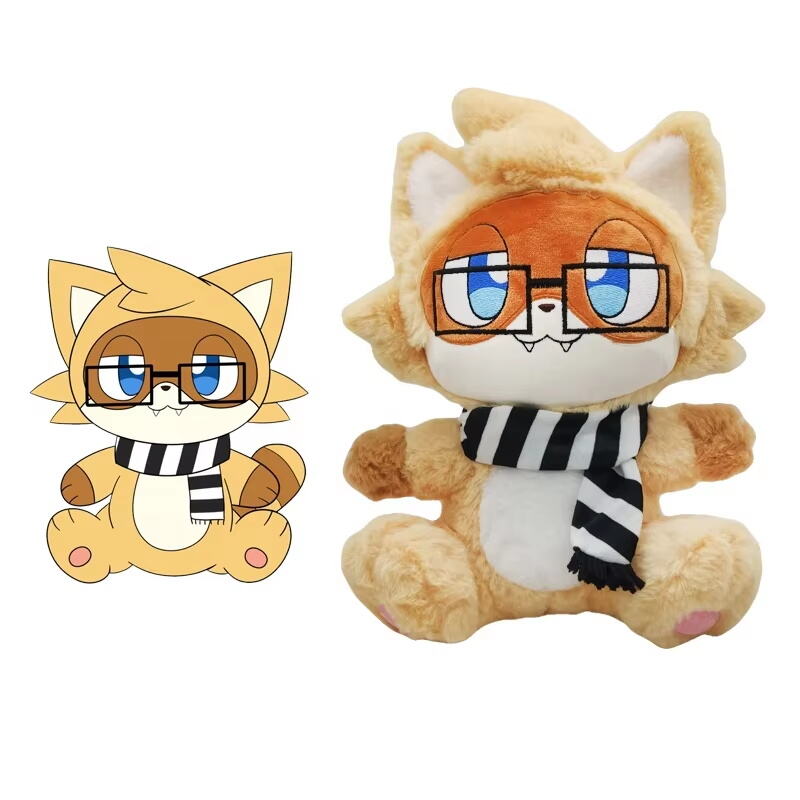
Kitle üretimli ürünlerle dolu bir dünyada kişiselleştirme değerinin önemi daha önce hiç bu kadar belirgin olmamıştır. Markanız için benzersiz tanıtım araçları arayan bir işletme, ürün yelpazenizi ayırt edici kılmayı hedefleyen bir perakendeci ya da anlamlı bir hediye arayan bireysel bir kişi olmanız fark etmez; plüşleri özelleştirmek ile hazır plüşleri satın almak arasındaki seçim giderek daha fazla gündemde yer almaktadır. Hazır plüş oyuncaklar kolaylık ve hemen kullanılabilirlik sunarken, plüşleri özelleştirmek yalnızca yüzeyel estetikten çok daha öte stratejik avantajlar sağlar. Bu yaklaşım, basit bir peluş hayvanı, marka kimliğinizi yansıtan, duygusal anlam taşıyan ve genel amaçlı alternatiflerin hiçbir zaman ulaşamayacağı ölçülebilir iş sonuçları sağlayan amaçlı bir varlığa dönüştürür.
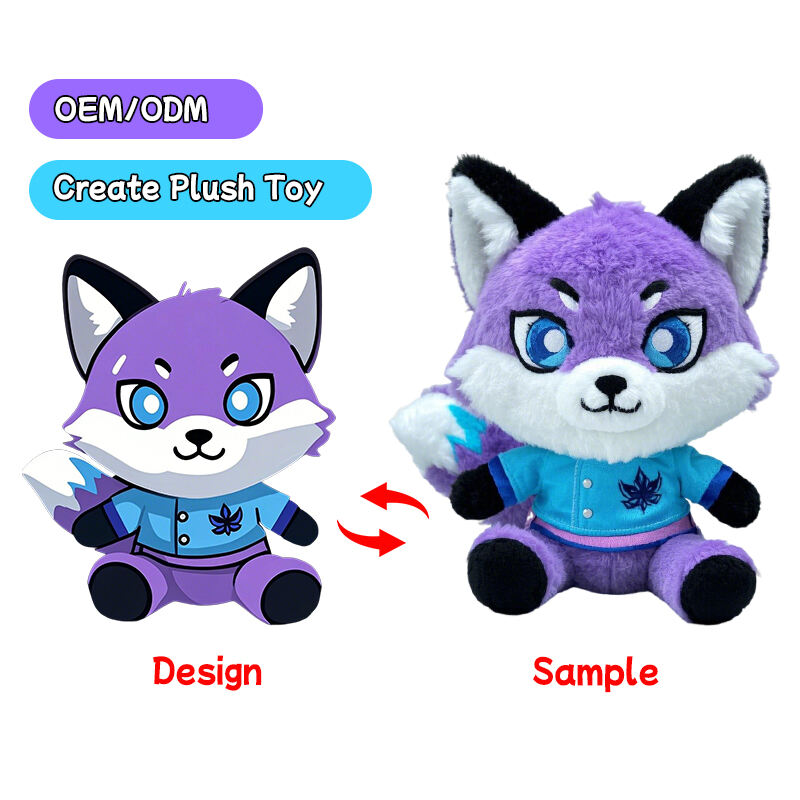
Birçok işletme ve bireyin karşılaştığı temel soru, hazır ürünlerden sapma için yapılan ek yatırımın özelleştirilmiş peluş oyuncaklar gerekçelendirilmesidir. Hazır peluş oyuncaklar kesinlikle hız ve düşük maliyet öncelikli olduğu durumlarda bir amaç görür; ancak doğaları gereği özelleştirilmiş tasarımların sunduğu özgünlük, duygusal etki ve stratejik esnekliği içermemektedir. Peluş oyuncakların özelleştirilmesinin neden üstün bir seçenek olduğunu anlamak, marka etkinliği, duygusal bağ kurma, kalite kontrolü, pazar ayrıştırması ve uzun vadeli değer yaratma gibi alanlardaki somut faydaları incelemeyi gerektirir. Bu analiz, özelleştirme işleminin sadece kişiselleştirmeyi aşarak, gerçek etki hedefleyenler için stratejik bir zorunluluğa dönüştüğünü ortaya koymaktadır.
Stratejik Marka Uyumu ve Kimlik İfadesi
Görsel İletişimde Kesinlik
İşletmeler yatırım yaptığında özelleştirilmiş peluş oyuncaklar böylece marka kimliklerini ileten her görsel öğe üzerinde mutlak kontrol kazanırlar. Hazır piliç oyuncaklar, markaların mevcut tasarımlara, renklere ve formlara uyum sağlamak zorunda bırakarak mesajlarını değiştirmelerine neden olur; bu tasarımlar, belirli pazar konumlandırmaları göz önünde bulundurulmadan oluşturulmuştur. Özel üretilmiş peluşlar ise bu kısıtlamayı tamamen ortadan kaldırır ve kuruluşların marka kılavuzlarını piksel-kusursuz bir doğrulukla üç boyutlu forma dönüştürmelerini sağlar. Pantone renk spesifikasyonlarının tam olarak eşleştirilmesinden, benzersiz karakter özelliklerini içeren özel tasarım öğelerinin entegre edilmesine kadar özel yaklaşımlar, her peluş oyuncakta bir özgün marka elçisi işlevi görmesini sağlar; bunlar genel geçer, sıradan birer yaklaşım değil, gerçekçi birer temsilcidir.
Bu hassasiyetin stratejik değeri, yüzeyel estetikten çok daha öteye uzanır. Peluş oyuncakları özelleştirmek, markaların belirli mesajları, değerleri ve kişilik özelliklerini doğrudan fiziksel ürüne yerleştirmesine olanak tanır. Bir teknoloji şirketi, akıcı, modern tasarım diliyle, sade hatlar ve metal dokunuşlarla bu kimliğini yansıtabilir; buna karşılık çevre bilincine sahip bir kuruluş ise sürdürülebilir malzemeler ve çevre taahhüdünü vurgulayan topraksı renk paletleri belirleyebilir. Hazır ürünler bu düzeyde kasıtlı tasarım uyumunu sağlayamaz; bu nedenle marka mesajını kaçınılmaz olarak zayıflatır ve şirketin açıkladığı kimliği ile tanıtım materyalleri arasında bilişsel çatışmaya yol açar.
Pazarlama Dokunma Noktalarında Tutarlılık
Modern pazarlama etkinliği, çoklu müşteri temas noktalarında tutarlı marka deneyimlerini sürdürmeye büyük ölçüde bağlıdır. Kuruluşlar, tanıtım stratejilerinin bir parçası olarak özel peluş oyuncaklar seçtiğinde, bu fiziksel ürünlerin dijital varlıklarla, ambalaj tasarımıyla, perakende ortamlarıyla ve diğer marka ifadeleriyle tam olarak uyumlu olmasını sağlayabilirler. Bu tutarlılık, tanınabilirliği artırır ve müşteri sadakatini ve pazar konumlandırmasını sağlayan birikimsel marka değerini oluşturur. Reklam kampanyalarında kullanılan karakterle tam olarak örtüşen özel bir maskot peluşu, her etkileşimde mesajı pekiştiren sorunsuz bir marka anlatısı yaratır.
Buna karşılık, hazır yün oyuncaklar müşteri deneyimini parçalayan görsel tutarsızlık yaratır. Bir tanıtım ürünü, markanın yerleşik estetiğinden belirgin şekilde farklı göründüğünde, bilinçaltında karışıklık yaratır ve bu da marka hatırlanabilirliğini zayıflatır ile algılanan profesyonellik düzeyini düşürür. Bu parçalanma, tüketicilerin bireysel temas noktalarına dayanmayıp birikimsel izlenimlere dayalı olarak marka tercihleri oluşturduğu rekabetçi pazarlarda özellikle zarar vericidir. Yün oyuncakların özelleştirilmesi, fiziksel tanıtım ürünlerinin diğer tüm marka varlıklarıyla aynı titizlik standartlarını korumasını sağlayarak bu riski ortadan kaldırır.
Kampanya Gelişimiyle Uyum Sağlama
İş stratejileri ve pazarlama kampanyaları, doğal olarak piyasa koşullarına, tüketici geri bildirimlerine ve rekabet dinamiklerine yanıt olarak zaman içinde gelişir. Peluş oyuncakların özelleştirilmesi, stok sınırlamaları veya tasarım kısıtlamaları gibi engellerle karşılaşmadan bu değişen gereksinimlere uygun fiziksel tanıtım malzemeleri geliştirmek için esneklik sağlar. Kuruluşlar, tasarımları üzerinde yinelemeler yapabilir, mevsimsel varyasyonlar tanıtabilir veya belirli kampanyalara uygun sınırlı edición ürünler oluşturabilirken aynı zamanda temel marka unsurlarını koruyabilir. Bu uyarlanabilirlik, peluş oyuncakların yaşam döngüleri boyunca etkili ve güncel pazarlama araçları olarak kalmasını sağlar.
Hazır seçenekler, alıcıları stratejik ihtiyaçlarla birlikte gelişemeyen sabit tasarımlara bağlar. Pazar araştırması, belirli bir renk paletinin hedef demografik kitleyle daha iyi uyum sağladığını ortaya çıkardığında ya da marka konumlandırması farklı değerleri vurgulamaya yönelerek değiştiğinde, özel yaklaşım kullanan kuruluşlar bu içgörülerini bir sonraki üretim turunda hemen uygulayabilir. Hazır stoklara dayalı çözümler kullananlar ise mevcut stratejileri ile mevcut ürünler arasındaki uyumsuzluğu kabul etmek zorundadır ya da kullanılmaz hale gelen stokların bertaraf maliyetini karşılayıp tamamen yeni alternatifler temin etmek zorundadır; bunlardan hiçbirisi verimli kaynak dağıtımını temsil etmez.
Gelişmiş Duygusal Bağlantı ve Hatırlanabilirlik
Psikolojik Farklılaştırıcı Olarak Kişiselleştirme
İnsan psikolojisi, kişiselleştirilmiş ürünlerin genel ürünlerden daha güçlü duygusal tepkiler uyandırdığını sürekli olarak göstermektedir. Alıcılar, kendileri veya kimliklerini hissettikleri bir topluluk için özel olarak tasarlanmış bir peluş oyuncak aldıklarında, bu geste ile ilgili daha fazla düşünülmüşlük ve değer algılarlar. Bu algı, doğrudan artmış duygusal bağlanma, daha uzun süreli saklama dönemleri ve daha olumlu marka ilişkilerine dönüşür. Bu psikolojik etki, birinin kolayca bulunabilen hazır bir ürün seçmek yerine, benzersiz bir şey yaratmak için ek çaba ve kaynak harcadığının fark edilmesinden kaynaklanır.
Bu duygusal farklılaşma, peluş oyuncakların hediye, anı eşyası veya ilişki kurma aracı olarak kullanıldığı bağlamlarda özellikle değerlidir. Bir çocuğun çizimini, bir evcil hayvanın benzerini ya da anlamlı bir iç referansı temsil eden özel bir peluş karakter, alıcılar tarafından sonsuza dek değerli tutulan ve ikamesi olmayan bir duygusal eser oluşturur. Görsel çekicilikleri ne olursa olsun, hazır üretilmiş alternatifler bu kadar derin kişisel anlamın yaratılmasını asla başaramazlar; çünkü nesneleri anlamlı sembollere dönüştüren bağlamsal özgünlüğe sahip değildirler. İşletmeler için bu duygusal uyum, alıcıların özel peluşları genel amaçlı tanıtım ürünlerinden çok daha sık sergilemesi ve etkileşime geçmesi sayesinde markanın daha uzun süreli tanıtımını sağlar; çünkü genel amaçlı tanıtım ürünleri çoğunlukla hızla depolamaya alınır ya da atılır.
Tasarım Detaylarıyla Hikâye Anlatımı
Her özel peluş tasarımı, belirli bir kitleyle uyumlu bir hikâye anlatma fırsatını temsil eder. Peluşların özelleştirilmesi yoluyla kuruluşlar, köken hikâyelerini, şirket değerlerini, ürün özelliklerini veya daha derin bir etkileşim yaratan kültürel referansları ileten anlatı unsurlarını entegre edebilir. Bir bira üreticisi, kuruluş yerine, karakteristik malzemelere ve demirleme mirasına görsel atıflar içeren bir maskot peluş tasarlayabilir; bu sayede basit bir oyuncak, alıcılara marka tarihini eğlenceli bir şekilde tanıtırken aynı zamanda olumlu çağrışımlar da yaratır.
Özelleştirilmiş tasarımların hikâye anlatma kapasitesi, hazır ürünlerin başarabileceği düzeyi katlanarak aşar çünkü genel amaçlı oyuncaklar temel biçimlerinin ötesinde herhangi bir içsel hikâye taşımaz. Standart bir ayı oyuncak ya da genel bir hayvan peluşu hoş duygular uyandırabilir; ancak veren kişinin kimliğini, değerlerini ya da alıcıyla olan ilişkisini ilgili hiçbir özel mesajı iletmek için tasarlanmamıştır. Peluşların özelleştirilmesi, anlamını doğrudan fiziksel nesneye yerleştirir ve böylece her tasarım öğesi, alıcının keşfetebileceği, yorumlayabileceği ve başkalarıyla paylaşabileceği tutarlı bir hikâye oluşturur; bu da ürünün etkisini ilk sunumundan çok daha öteye taşır.
Benzersizlik Aracılığıyla Hafıza Bağlaması
Bilişsel bilim, benzersiz ve ayırt edici öğelerin, tanıdık ve sıkça karşılaşılan nesnelere kıyasla daha güçlü bellek izleri oluşturduğunu doğrulamaktadır. Kuruluşlar, alıcıların daha önce hiç görmediği ayırt edici özelliklerle peluş oyuncakları özelleştirmeye yatırım yaptıklarında, marka hatırlanmasını artıran güçlü bellek çivileri oluştururlar. Gerçekten benzersiz bir tasarımın yeniliği, geleneksel formlara kıyasla dikkati daha etkili şekilde çeker ve ayırt edicilik, alıcının peluş oyuncakla çevresinde karşılaştığında ilişkili markayı veya etkinliği kolayca hatırlamasını sağlar.
Hazır imal edilmiş peluş oyuncaklar, hafıza cihazları olarak etkililiklerini azaltan tanıdıklık sorunuyla karşı karşıyadır. Alıcılar benzer tasarımları perakende ortamlarında, diğer tanıtım bağlamlarında ya da eğlence ürünleri içinde görmüşse, tanıtım amaçlı peluş oyuncaklar genel peluş hayvanlar kategorisine zihinsel olarak dahil olur ve ayırt edici bir marka temas noktası olarak öne çıkmaz. Bu kategorileştirme, ürünün pazarlama aracı olarak etkililiğini büyük ölçüde azaltır çünkü güçlü marka ilişkileri için gerekli olan bilişsel farklılaşmayı yaratamaz. Özel yaklaşımlar ise her tasarım unsurunun alıcılar tarafından başka ürünlerle karıştırılamayacak tekil ve akılda kalıcı bir kimlik oluşturmasına katkı sağlayarak bu sınırlamadan kaçınır.
Kalite Kontrolü ve Spesifikasyon Doğruluğu
Amaç ve Güvenlik İçin Malzeme Seçimi
Peluş oyuncakları özelleştirme işleminin en önemli avantajlarından biri, nihai ürün için tam olarak hangi malzemelerin, üretim tekniklerinin ve güvenlik standartlarının uygulanacağını belirleyebilme imkânı sunmasıdır. Farklı kullanım amaçları farklı malzeme özelliklerini gerektirir: küçük çocuklara dağıtılan tanıtım ürünleri hiperalerjenik kumaşlar ve çocuk güvenliği açısından uygun yapıya sahip olmalıdır; buna karşılık yetişkinlere yönelik kurumsal hediyelerde ise premium dokular ve sofistike bitiş detayları öncelikli olabilir. Özelleştirilmiş üretim süreçleri, alıcıların malzeme spesifikasyonlarını hedeflenen uygulamaya tam olarak uyarlamalarını sağlar ve böylece optimum performans ile yasal düzenlemelere uyum sağlanmasını garanti eder.
Hazır oyuncaklar, alıcıları orijinal üreticinin yaptığı malzeme seçimlerini kabul etmeye zorlar; bu seçimler belirli gereksinimlerle uyumlu olmayabilir. Bir kuruluş, düzenlenmiş pazarlarda dağıtım için belirli uluslararası güvenlik sertifikalarını karşılayan peluş oyuncaklara ihtiyaç duyuyorsa, hazır seçenekler uygun belgelendirmeye sahip olmayabilir ya da gerekli standartları tamamen karşılamayabilir. Benzer şekilde, bir marka sürdürülebilirliği vurgulamak istiyorsa; özelleştirilmiş peluş oyuncaklar geri dönüştürülmüş malzemeler veya organik kumaşlar kullanarak, hazır alternatifler genellikle bu tür özel seçenekleri sunmaz; bu da markanın promosyon ürünleriyle çevre taahhütlerini uyumlu hâle getirme yeteneğini sınırlandırır.
Boyutsal ve Yapısal Optimizasyon
Fiziksel boyutlar ve yapısal özellikler, alıcıların peluş oyuncaklarla etkileşime geçişlerini ve bu oyuncaklara biçtikleri değeri önemli ölçüde etkiler. Peluş oyuncakları özelleştirerek kuruluşlar, belirli dağıtım bağlamlarına ve kullanıcı tercihlerine uygun şekilde boyutu, ağırlığı, pozunu ve yapısal özelliklerini optimize edebilir. Perakende vitrininde sergilenmek üzere tasarlanmış bir peluş maskot, dengeli oturma pozisyonu ve raf sunumu için uygun ölçekle öne çıkabilir; buna karşılık çocuklar için tasarlanmış bir peluş oyuncak, belirli boyutsal oranlar ve dolgu yoğunluğu aracılığıyla taşınabilirlik ve sarılabilirlik gibi özellikleri önceliklendirebilir.
Genel amaçlı hazır seçenekler, bu yapısal parametrelerde hiçbir esneklik sağlamaz ve bunun sonucunda etkinliklerini zayıflatabilecek pratik sorunlara yol açabilir. Maliyet açısından verimli bir şekilde nakledilemeyecek kadar büyük, marka bilgilerini okunaklı bir şekilde sergilemek için yeterince büyük olmayan ya da estetik bir sunum pozisyonunu koruyamayacak kadar kararsız olan bir hazır peluş, amacına en iyi şekilde hizmet edemeyen bir uzlaşma çözümüdür. Özel çözümler ise, alıcıların mevcut stoktaki rastgele konfigürasyonları kabul etmek yerine, tüm boyutsal ve yapısal parametreleri ampirik gereksinimlere dayalı olarak belirlemelerine imkân tanıyarak bu uzlaşmaları ortadan kaldırır.
Üretim Standartları ve Tutarlılık Güvencesi
Profesyonel özel peluş üretim süreçleri, her birimin sevkiyattan önce belirtilen standartları karşılamasını sağlamak için katı kalite kontrol protokolleri içerir. Alıcılar, dikiş kalitesi, renk eşleştirme, dolgu tutarlılığı ve bitiş detayları için tam toleranslar belirleyebilir; bu sayede ürünler son kullanıcıya ulaşmadan önce sapmaları tespit eden denetim prosedürleri uygulanır. Bu kalite güvencesi, peluş oyuncakların marka temsilcisi olarak kullanıldığı durumlarda özellikle kritik öneme sahiptir; çünkü tutarsız kalite, doğrudan marka algısı ve alıcının memnuniyetini etkiler.
Hazır pamuklu oyuncak stoku genellikle yüksek kaliteye göre değil, üretim hızını ve maliyeti en aza indirmeyi önceliklendiren seri üretim standartlarını yansıtır. Alıcılar, üretim standartları üzerinde hiçbir kontrol sahibi değildir ve orijinal üreticinin uyguladığı kalite düzeyini kabul etmek zorundadır; bu düzey genellikle özel siparişler için kabul edilemez düzeyde dikiş kalitesi, renk tutarlılığı ve bitirme işçiliği varyasyonlarını içerir. Hazır stok satın alırken kuruluşlar ayrıca farklı üretim partilerinden gelen ve belirgin kalite farkları gösteren karışık partiler alma riskiyle karşı karşıya kalır; bu durum profesyonel güvenilirliği zayıflatan tutarsız bir marka sunumu yaratır.
Pazarda Farklılaşma ve Rekabet Üstünlüğü
Münhasırlık Stratejik Bir Varlık Olarak
Dikkat ve tercih için birden fazla kuruluşun rekabet ettiği kalabalık pazarlarda, fark yaratmak başarı için hayati öneme sahiptir. Yumuşak oyuncakların özelleştirilmesi, rakiplerin kopyalayamayacağı doğal bir dışlanabilirlik yaratır ve hazır alternatiflerin sağlayamadığı sürdürülebilir bir rekabet avantajı sunar. Bir kuruluş benzersiz bir özel maskot veya markalı yumuşak oyuncak karakteri geliştiriyorsa, bu durum onun piyasadaki varlığını ayırt eden ve zamanla karakterin marka kimliğiyle ilişkilendirilmesiyle giderek artan tanınırlık yaratan bir fikri mülkiyet hakkı kazanmasına neden olur.
Hazır imal edilmiş peluş oyuncaklar, doğrudan rakipler de dahil olmak üzere herhangi bir alıcıya mevcut oldukları için hiçbir özgünliğe sahip değildir. Aynı sektörde faaliyet gösteren birden fazla kuruluş, ticari fuarlarda veya tanıtım etkinliklerinde benzer genel peluş oyuncakları dağıtıyorsa, hiçbirisi farklılaşmadan yarar sağlamaz ve bu ürünler, ayırt edici marka varlıkları yerine unutulmaya mahkûm sıradan ürünler haline gelir. Bu özgün olmama durumu, pazarlama yatırımlarının boşa harcanmasına neden olur çünkü tanıtım ürünleri, tercih oluşumu ve marka sadakati için gerekli olan benzersiz ilişkileri yaratamaz. Özel üretim yaklaşımları ise peluş üretimi için yapılan her pazarlama yatırımının, zaman içinde değerini katlanarak artan özel marka varlıkları oluşturmasını sağlar.
Fikri Mülkiyet Geliştirme
Anında promosyon uygulamalarının ötesinde, özel peluş oyuncaklar üretmek, uzun vadeli değer yaratabilecek çoklu kanallar aracılığıyla fikri mülkiyet geliştirme alanına yapılan bir yatırımı temsil eder. Özel peluş oyuncaklar için oluşturulan orijinal karakter tasarımları, tescilli marka ve telif hakkı mekanizmaları ile korunabilir; ardından dijital pazarlama, ambalaj tasarımı, perakende ortamları ve lisanslama fırsatları gibi çeşitli uygulama alanlarında değerlendirilebilir. Başlangıçta bir promosyon peluş oyuncak olarak başlayan bu süreç, başlangıç amaçlarının çok ötesinde tanınma kazandıran ve gelir akışı yaratan değerli bir marka varlığına dönüşebilir.
Hazır peluş oyuncaklara dayanan kuruluşlar, satın aldıkları tasarımlara ilişkin hiçbir hak sahibi olmadıkları için bu fikri mülkiyet fırsatlarını tamamen kaybederler. Hazır tasarımlar etrafında gelişen herhangi bir tanınma ya da bağlılık, bunları dağıtan kuruluş yerine orijinal tasarımcıya veya üreticiye fayda sağlar. Bu durum, pazarlama yatırımlarının üçüncü şahıslar lehine değer yaratırken, kuruluşun kendi varlık portföyüne katkı sağlamadığı stratejik bir fırsat kaybını temsil eder. Özel tasarım yaklaşımı ise peluş oyuncak dağıtımı yoluyla oluşturulan tüm yaratıcı değerin sipariş veren kuruluşa aktarılmasını sağlar.
Hedef Kitleyle Uyum
Farklı demografik segmentler, kültürel bağlamlar ve sektör dikeyleri, farklı estetik tercihlerine ve sembolik çağrışımlara yanıt verir. Peluş oyuncakların özelleştirilmesi, kuruluşların tasarımı belirli hedef kitle segmentlerine tam olarak uyarlamasını sağlar; bu süreçte kültürle ilgili referanslar, görsel stiller ve özellikle hedef demografik gruplarla güçlü bir bağ kurabilen karakter özellikleri entegre edilir. Mesela, genç profesyonelleri hedef alan bir teknoloji başlangıç şirketi, çağdaş estetik duyarlılıklarla uyumlu, şık ve minimal karakter tasarımları sipariş edebilir; buna karşılık bir çocuk sağlık hizmeti sağlayıcısı, kaygılı küçük hastaları rahatlatabilecek şekilde özel olarak tasarlanmış, sıcak ve yaklaşılabilir karakterler geliştirebilir.
Hazır imal edilmiş peluş oyuncaklar, belirli hedef kitlelerle optimize edilmiş bir uyum sağlamak yerine, geniş çapta cazibe yaratmayı amaçlayan genel tasarım kararlarını yansıtır. Bu yaklaşım, herkesi orta düzeyde cezbeden ancak kimseyi güçlü şekilde etkilemeyen ürünler ürettiği için etkinliği kaçınılmaz olarak zayıflatır. Belirli pazar segmentleriyle derin bağlantılar kurmayı hedefleyen kuruluşlar, peluş oyuncakları özelleştirerek, izleyici tercihlerine, değerlerine ve estetik duyularına doğrudan hitap eden, spesifikliği genel kabul edilebilirlik uğruna feda eden sulandırılmış uzlaşma tasarımları yerine çok daha üstün sonuçlar elde ettiklerini görürler.
Uzun Süreli Değer ve Yatırım Geri Dönüşü
Amaç Odaklı Optimizasyon Yoluyla Mali Verimlilik
Dolgun oyuncakların özelleştirilmesi, küçük miktarlarda hazır alternatiflere kıyasla genellikle birim başına daha yüksek maliyetler gerektirse de, etkinlik ve ömür faktörleri dikkate alındığında toplam sahip olma maliyeti çoğunlukla özelleştirilmiş yaklaşımları lehine çalışır. Alıcılar tarafından yıllarca saklanan ve sergilenen özelleştirilmiş bir dolgun oyuncak, hızla çekiciliğini yitirip atılan genel amaçlı bir alternatife kıyasla marka izlenimlerini katlanarak artırır. Uzun süreli saklama süresi, her bir izlenimin etkili değerini çoğaltarak, kısa ömürlü tanıtım ürünlerine kıyasla izlenim başı maliyet metriklerini önemli ölçüde iyileştirir.
Ayrıca, peluş oyuncakların özelleştirilmesi, eksik çözümlerle ilişkili atıkları ortadan kaldırır. Kuruluşlar, ihtiyaçlarına tam olarak uymayan hazır seçeneklere razı kaldığında genellikle istenen sonuçları elde etmek amacıyla yeniden sipariş verir veya ek promosyon ürünleriyle tamamlayıcı tedbirler alırlar; bu da eksik çözümler için aslında iki kez ödeme yapmalarına neden olur. Özelleştirilmiş yaklaşımlar ise her özelliğin gerçek gereksinimlerle değil, mevcut en yakın tahminle uyumlu olduğu durumlara kıyasla, tüm özelliklerin gerçek gereksinimlerle tam olarak uyumlu olduğu tek bir uygulamayla hedefleri verimli bir şekilde gerçekleştirir. Bu verimlilik, toplam pazarlama harcamalarını azaltırken aynı zamanda üstün sonuçlar da sağlar.
Ölçeklenebilirlik ve üretim esnekliği
Modern özel üretim yetenekleri, kuruluşların tasarım bütünlüğünü ve kalite standartlarını korurken üretimi verimli bir şekilde ölçeklendirmesine olanak tanır. İlk prototip geliştirme ve kalıp yatırımları üretim partileri üzerinden amorti edilir; bu sayede orta düzey üretim hacimlerinde birim maliyetler önemli ölçüde azalır. Bu ölçeklenebilirlik, kuruluşların büyük üretim partilerine geçmeden önce tasarımın etkinliğini doğrulamak amacıyla daha küçük test miktarlarıyla başlamasına imkân tanır; böylece finansal risk azaltılırken nihai teknik özelliklerin gerçek dünya performans verilerini yansıttığından da emin olunur.
Hazır stok satın alımı bu esnekliği sağlamaz çünkü alıcılar tedarikçilerin sunduğu miktarlara bağlı kalır ve çoğunlukla gerçek ihtiyaçları aşan minimum satın alma miktarlarına zorlanır ya da büyük kampanyalar için yeterli hacmi sağlayamaz. Talebe dayalı olarak miktarları dinamik olarak ayarlayamama durumu, ya fazla stok kaybına ya da kampanya etkinliğini zayıflatan stokta tükenmeye neden olur. Yönlendirici üretim ortakları aracılığıyla peluş oyuncakların özelleştirilmesi, gereksinimlerin gelişimine tam olarak uyum sağlayarak üretimi ölçeklendirme esnekliği sunar; bu sayede gereksiz taşıma maliyetleri veya piyasa fırsatlarının kaçırılması gibi riskler önlenir.
Stratejik Varlık Değeri Artışı
Tek kullanımlık tanıtım ürünleriyle karşılaştırıldığında, iyi tasarlanmış özel peluşlar, marka tanınabilirliği ve karakter bağlılığı arttıkça stratejik varlıklar olarak değer kazanır. Başlangıçta bir tanıtım ürünü olarak alınan özel bir peluşu alan alıcılar, karakteri diğer marka bağlamlarında tekrar gördükçe ona duydukları bağda giderek artış yaşayabilir; bu da toplam marka değeriyle birlikte büyüyen bileşik bir değer yaratır. Bazı özel peluş karakterleri, alıcılar tarafından aktif olarak aranan koleksiyon parçası haline gelir ve bu durum, başlangıçtaki dağıtımın çok ötesine uzanan organik talep oluşturarak pazarlama erişimini genişletir.
Bu değer artış potansiyeli, hazır alternatiflerde tamamen yoktur; çünkü genel amaçlı tasarımlar karaktere özgü değer birikimi sağlayamaz ya da temel biçimlerinin ötesinde anlamlı ilişkiler geliştiremez. Tanıtım amacıyla dağıtılan genel amaçlı bir peluş ayı, sadece bir peluş ayı olarak kalır—yani bir yumuşak oyuncak olarak doğrudan kullanımının ötesinde değer artışı potansiyeli olmaz. Peluş oyuncakları özelleştirme yatırımı yapan kuruluşlar, değer artış potansiyeli taşıyan varlıklar oluşturur; bu varlıklar zamanla lisans programları, perakende satışlar veya gelir getiren iş birliği fırsatları gibi alanlarda yeterince değerli hâle gelebilir ve böylece saf pazarlama gideri temsil etmekten çıkar.
SSS
İş amaçlı peluş oyuncaklar özelleştirilirken tipik asgari sipariş miktarı nedir?
Küpeşte figürleri özelleştirme için minimum sipariş miktarları, tasarım karmaşıklığına, boyut özelliklerine ve farklı tedarikçilerin üretim kapasitelerine bağlı olarak önemli ölçüde değişir. Çoğu profesyonel üretici, özel kalıp ve desenlerle tamamen özelleştirilmiş tasarımlar için 300 ila 1.000 birim arasında minimum sipariş miktarı belirler. Ancak bazı uzmanlaştırılmış sağlayıcılar, daha basit tasarımlar için veya mevcut temel desenlerin yarı-özelleştirilmiş yaklaşımla değiştirildiği durumlarda 100 ila 300 birim civarında daha düşük minimum miktarlar sunar. Kuruluşlar, bu miktarların pazarlama stratejileri açısından haklı çıkarılıp çıkarılmayacağını, alıcılara düşen pazarlama değerini hesaplayarak ve alternatif promosyon ürünleri maliyetleriyle karşılaştırarak değerlendirmelidir. Birçok uygulama için, hazır ürünlerin daha küçük miktarlarda bulunabilmesine rağmen, özelleştirilmiş küpeşte figürlerinin üstün etkinliği ve hatırlanabilirliği bu üretim minimumlarını haklı kılar.
Küpeşte figürleri özelleştirme süreci genellikle kavramdan teslimata kadar ne kadar sürer?
Peluş oyuncakların özelleştirilmesi süreci, kampanya koordinasyonu için dikkatli bir planlama gerektiren birkaç ayrı aşamadan oluşur. Başlangıç tasarım danışmanlığı ve kavram geliştirme aşaması genellikle bir ila iki hafta sürer; bu süreçte tasarımcılar marka gereksinimlerini ön taslaklar ve teknik özelliklere dönüştürür. Prototip üretimi ise fiziksel örneklerin incelenmesi ve nihai onay öncesi iyileştirilmesine olanak tanımak üzere ek olarak iki ila üç hafta daha sürer. Teknik özellikler nihai hâle getirildikten sonra üretim süresi sipariş hacmi ve üretici kapasitesine bağlı olarak dört ila sekiz hafta arasında değişir. Nakliye süresi ise taşıma yöntemi ve varış noktasına göre ek süre gerektirir. Standart projelerde başlangıç kavram görüşmelerinden teslimata kadar toplam süre genellikle sekiz ila on iki hafta arasındadır; hızlandırılmış seçenekler bu süreyi prim ücret karşılığında altı haftaya kadar düşürebilir. Bu zaman çizelgesi, hazır ürünlerin sunmadığı ileri planlamayı gerektirir; ancak özelleştirme sürecinin stratejik avantajları genellikle ek koordinasyon gereksinimlerini haklı çıkarır.
Özelleştirilebilir peluşlar, temel peluş oyuncak tasarımlarının ötesinde özel işlevsel özellikler içerebilir mi?
Modern özel peluş üretim yetenekleri, geleneksel oyuncak hayvan inşasının çok ötesine geçerek, kullanım kolaylığını ve etkileşimi artıran çeşitli işlevsel özelliklerin entegre edilmesini sağlar. Kuruluşlar, entegre çığlık veren elemanlar, çıtırtılı malzemeler, şaklatıcılar veya ses modülleri, LED elemanlar ya da basit etkileşimli özellikler içeren elektronik bileşenler gibi özellikleri belirtebilir. Manyetik bağlantılar, dönüştürülebilir tasarımlar, aksesuar cepleri veya hareketli eklemler gibi yapısal yenilikler de özel peluş üretim süreçleriyle gerçekleştirilebilir. Güvenlik sertifikaları ve yaşa uygunluk hususları, özellikle küçük çocuklar hedef kitleyken, belirli uygulamalar için hangi özelliklerin kullanılabilir olduğunu belirler. Üreticiler ayrıca pratik öğeler olarak takılı anahtarlıklar, araçlara montaj için emme pedleri veya sabit bir sergileme konumu sağlamak amacıyla ağırlıklı tabanlar da entegre edebilir. Bu işlevsel geliştirmeler, özel peluşları tamamen dekoratif hazır ürünlerden ayırırken, alıcının etkileşimini ve ürünün kullanım süresini uzatan pratik değer de ekler.
Düzenlenmiş pazarlar için peluş oyuncaklar özelleştirilirken kuruluşlar hangi kalite sertifikalarını talep etmelidir?
Düzenlenmiş pazarlarda peluş oyuncak dağıtan kuruluşlar, hedef kitle ve coğrafi dağıtım alanına göre uygun güvenlik sertifikalarını sağlamak zorundadır. ABD’de on iki yaş altı çocuklar için tasarlanan ürünler için CPSIA uyumluluğu ve ASTM F963 oyuncak güvenliği standardı sertifikasyonu zorunludur; bu sertifikasyon, küçük parçalar testi, yanmaya dayanıklılık ve ağır metal içeriği gibi konuları kapsar. Avrupa pazarları, EN71 oyuncak güvenliği direktiflerine uygunluğu gösteren CE işareti gerektirir. Birçok kuruluş ayrıca, uyumluluğun bağımsız olarak doğrulanmasını sağlamak amacıyla akredite laboratuvarlar aracılığıyla üçüncü taraf testlerini belirtir. Peluş oyuncaklar uluslararası dağıtım için özelleştirildiğinde, üreticilerin her hedef pazardaki ilgili standartlara uyumunu doğrulayan belgeleri sağlaması gerekir. Kalite yönetim sistemleri için ISO 9001 gibi ek sertifikalar ile BSCI veya benzeri sosyal uyum denetimleri, üretim etiği ve tutarlılık açısından güvence sağlar. Saygın özel üretim şirketleri bu sertifikaları standart uygulama olarak sürdürür ve talep edildiğinde belgeleri sağlayabilirken, hazır stok ürünleri genellikle uygun sertifikasyon belgelerine sahip değildir; bu durum dağıtıcılara yasal ve itibari riskler yaratır.
İçindekiler Tablosu
- Stratejik Marka Uyumu ve Kimlik İfadesi
- Gelişmiş Duygusal Bağlantı ve Hatırlanabilirlik
- Kalite Kontrolü ve Spesifikasyon Doğruluğu
- Pazarda Farklılaşma ve Rekabet Üstünlüğü
- Uzun Süreli Değer ve Yatırım Geri Dönüşü
-
SSS
- İş amaçlı peluş oyuncaklar özelleştirilirken tipik asgari sipariş miktarı nedir?
- Küpeşte figürleri özelleştirme süreci genellikle kavramdan teslimata kadar ne kadar sürer?
- Özelleştirilebilir peluşlar, temel peluş oyuncak tasarımlarının ötesinde özel işlevsel özellikler içerebilir mi?
- Düzenlenmiş pazarlar için peluş oyuncaklar özelleştirilirken kuruluşlar hangi kalite sertifikalarını talep etmelidir?