EN
EN
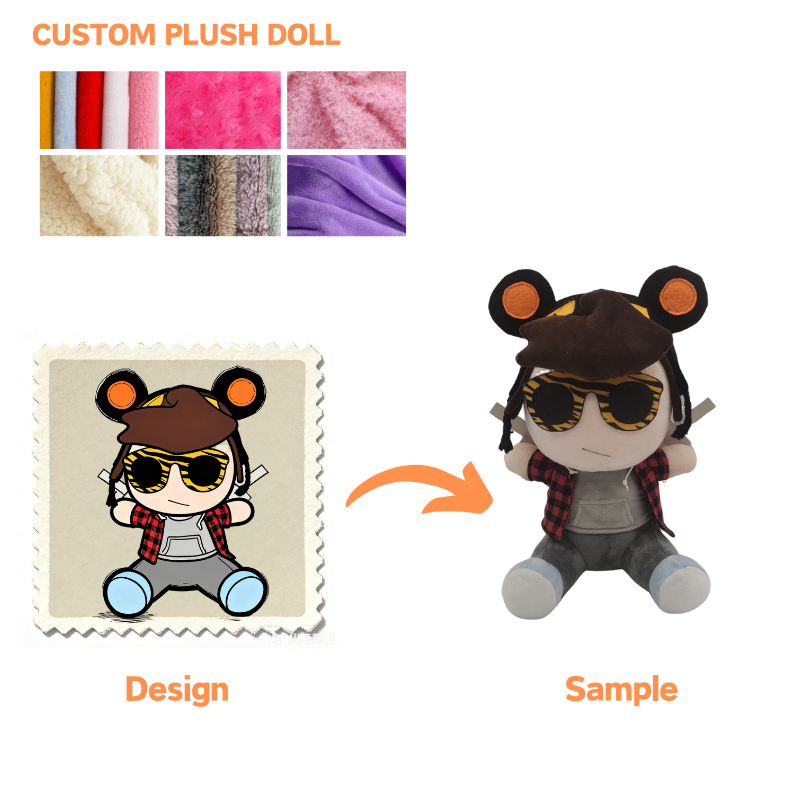
The durability of a plush toy keyring depends significantly on the materials used in its construction, making material selection a crucial factor for manufacturers and consumers alike. Understanding which materials offer the best longevity can help businesses make informed decisions when sourcing promotional items or retail products. Quality materials not only ensure customer satisfaction but also protect brand reputation by delivering products that withstand daily wear and tear.
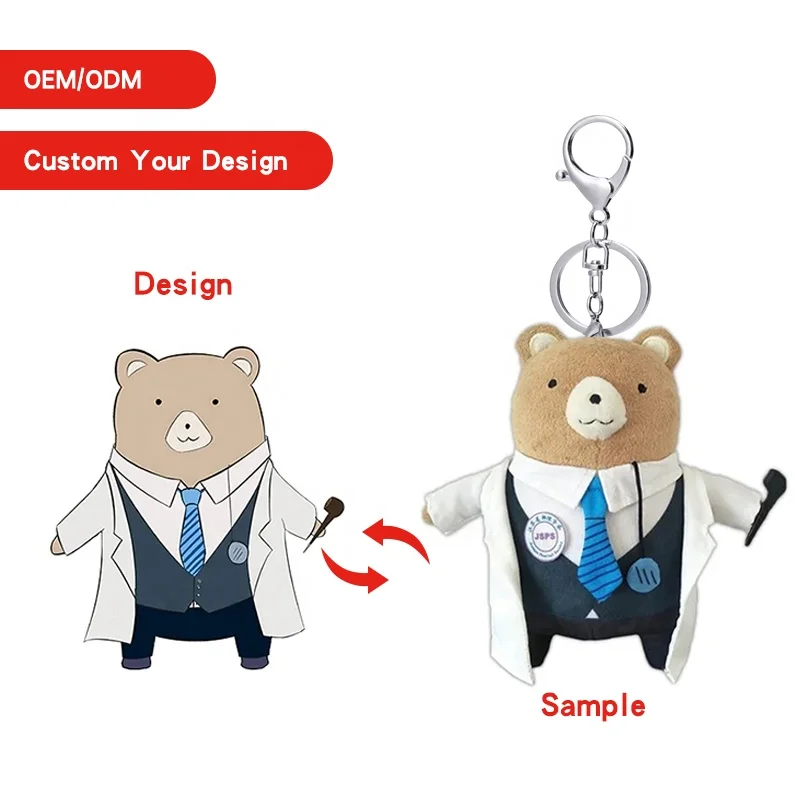
The market for plush toy keyring accessories has grown substantially, with consumers expecting products that maintain their appearance and functionality over extended periods. Different fabric types, stuffing materials, and hardware components all contribute to the overall lifespan of these popular accessories. Manufacturing processes and quality control measures further influence how well a plush toy keyring performs in real-world conditions.
Premium Fabric Materials for Maximum Durability
Polyester Plush Advantages
Polyester remains the gold standard for plush toy keyring construction due to its exceptional resistance to wear, fading, and moisture damage. This synthetic material maintains its texture and color integrity even after prolonged exposure to handling, making it ideal for accessories that experience frequent use. The fiber structure of quality polyester plush creates a dense, resilient surface that resists matting and maintains its original appearance for months or even years.
Manufacturing quality polyester plush involves careful selection of yarn weight and pile density to achieve optimal durability without sacrificing softness. The best polyester fabrics undergo specialized treatments that enhance their resistance to static electricity and dust accumulation, factors that significantly impact the long-term appeal of a plush toy keyring. These treatments also improve the fabric's ability to withstand repeated cleaning cycles without degradation.
Cotton Blend Performance
Cotton-polyester blends offer a balanced approach to plush toy keyring durability, combining the natural softness of cotton with polyester's strength characteristics. These hybrid materials typically contain 70-80% polyester and 20-30% cotton, providing enhanced breathability while maintaining structural integrity. The cotton component adds a premium feel that appeals to consumers seeking authentic texture experiences.
The key advantage of cotton blend materials lies in their ability to age gracefully, developing a pleasant patina over time rather than showing obvious wear patterns. However, the durability of cotton blend plush toy keyring products depends heavily on the quality of the cotton used and the precision of the blending process. Premium cotton blends undergo mercerization treatments that strengthen the fibers and improve their resistance to pilling and color fading.
Internal Structure Components That Enhance Longevity
High-Grade Polyester Fiberfill
The stuffing material inside a plush toy keyring plays a crucial role in maintaining shape and structural integrity over time. High-grade polyester fiberfill offers superior resilience compared to traditional cotton or foam alternatives, bouncing back to its original form even after compression. This material resists moisture absorption, preventing the development of odors or mold that could compromise the product's usability.
Quality polyester fiberfill maintains consistent density throughout the plush toy keyring, preventing the formation of lumps or hollow areas that diminish aesthetic appeal. The best manufacturing processes involve careful layering and distribution of fiberfill to create uniform density while avoiding overstuffing that could stress seams. This balanced approach ensures the product maintains its intended proportions and tactile characteristics throughout its lifespan.
Reinforced Seaming Techniques
Professional-grade seaming significantly impacts the durability of any plush toy keyring, with double-stitched seams providing superior resistance to separation under stress. French seam construction, where raw edges are enclosed within the seam itself, prevents fraying and extends product life considerably. These advanced seaming techniques require skilled craftsmanship but deliver substantial improvements in longevity.
The thread quality used in seaming operations directly affects durability outcomes, with polyester threads offering better resistance to UV degradation and mechanical stress than cotton alternatives. Premium manufacturers use color-matched threads that maintain their integrity even when exposed to repeated washing or handling. Strategic reinforcement at high-stress points, such as keyring attachment areas, prevents premature failure at these critical junctions.
Hardware Components and Attachment Systems
Metal Keyring Quality Standards
The metal components of a plush toy keyring often determine the overall product lifespan, making hardware selection critically important for durability. Stainless steel keyrings resist corrosion and maintain their strength characteristics even in challenging environmental conditions. The spring mechanism within quality keyrings maintains consistent tension over thousands of opening and closing cycles without fatigue failure.
Nickel-plated brass represents another excellent option for plush toy keyring hardware, offering superior corrosion resistance while maintaining cost-effectiveness. The plating process must meet specific thickness standards to ensure long-term protection against wear and environmental exposure. Quality control testing should include salt spray testing to verify corrosion resistance and mechanical cycling tests to confirm spring durability.
Connection Point Reinforcement
The junction between the plush component and metal hardware represents the most vulnerable point in any plush toy keyring design. Reinforcement techniques such as bartacking, metal grommets, or reinforcement patches distribute stress across a wider area, preventing concentrated loading that could cause tear-out failures. These reinforcement methods require precise placement and proper sizing to achieve maximum effectiveness.
Professional manufacturers often employ multiple reinforcement strategies simultaneously, combining fabric reinforcement patches with specialized stitching patterns that distribute loads effectively. The selection of reinforcement materials should complement the base fabric characteristics, ensuring compatibility in terms of flexibility and durability. Testing protocols should simulate real-world usage patterns to verify the effectiveness of chosen reinforcement strategies.
Manufacturing Process Impact on Durability
Quality Control Protocols
Comprehensive quality control measures during plush toy keyring production significantly influence final product durability and consistency. Incoming material inspection ensures that fabrics, stuffing, and hardware components meet established specifications before entering the production line. Dimensional stability testing verifies that materials maintain their properties throughout the manufacturing process and under normal use conditions.
In-process monitoring during assembly operations catches potential defects before they become permanent product flaws. Critical control points include seaming tension verification, stuffing density measurement, and hardware attachment torque specifications. Statistical sampling protocols ensure consistent quality across production runs while maintaining cost-effective manufacturing operations.
Environmental Testing Standards
Rigorous environmental testing protocols evaluate how plush toy keyring materials perform under various stress conditions that simulate real-world usage scenarios. Temperature cycling tests verify material stability across seasonal temperature variations, while humidity exposure testing identifies potential degradation mechanisms. UV exposure testing determines colorfastness characteristics and material integrity under sunlight exposure.
Abrasion resistance testing simulates the wear patterns that occur during normal handling and pocket storage of plush toy keyring products. Tensile strength testing evaluates the maximum stress levels that materials can withstand before failure occurs. These comprehensive testing protocols provide manufacturers with data-driven insights into expected product lifespans and performance characteristics.
Maintenance and Care for Extended Lifespan
Proper Cleaning Techniques
Regular maintenance significantly extends the functional life of any plush toy keyring, with proper cleaning techniques preventing the accumulation of dirt and oils that accelerate material degradation. Surface cleaning with mild detergents removes contaminants without saturating the internal stuffing materials. Gentle brushing with soft-bristled brushes restores pile texture and removes embedded particles that could cause abrasive wear.
Air drying represents the safest approach for maintaining plush toy keyring integrity, avoiding the high temperatures and mechanical stress associated with machine drying. Proper storage in clean, dry environments prevents moisture-related damage and reduces exposure to dust and contaminants. Regular inspection allows early detection of wear patterns or damage that could be addressed through preventive maintenance.
Storage Best Practices
Optimal storage conditions preserve plush toy keyring materials and extend their functional lifespan considerably. Temperature-controlled environments prevent thermal cycling damage that could weaken fabric fibers or cause adhesive failures in bonded components. Humidity control prevents moisture-related issues such as mildew development or metal component corrosion.
Protective storage containers shield plush toy keyring products from dust accumulation and accidental damage during periods of non-use. Proper positioning prevents compression deformation that could permanently alter product shape or texture characteristics. These simple storage practices can significantly extend product life while maintaining aesthetic appeal and functional performance.
FAQ
What fabric type offers the best durability for plush toy keyrings
High-quality polyester plush provides the best durability for plush toy keyring applications due to its resistance to wear, fading, and moisture damage. Polyester maintains its texture and color integrity over extended periods of use, making it ideal for accessories that experience frequent handling. The synthetic nature of polyester also provides better resistance to environmental factors compared to natural fiber alternatives.
How important is the quality of internal stuffing materials
Internal stuffing quality plays a crucial role in maintaining the shape and structural integrity of plush toy keyring products over time. High-grade polyester fiberfill offers superior resilience and moisture resistance compared to cotton or foam alternatives. Quality stuffing materials prevent the formation of lumps or hollow areas that could diminish the product's aesthetic appeal and tactile characteristics.
What hardware specifications should buyers look for in durable keyrings
Buyers should prioritize stainless steel or nickel-plated brass hardware for maximum durability in plush toy keyring applications. These materials resist corrosion and maintain their strength characteristics under normal use conditions. The spring mechanism should be designed to withstand thousands of opening and closing cycles without fatigue failure, ensuring long-term functionality.
How can proper maintenance extend the lifespan of plush toy keyrings
Regular surface cleaning with mild detergents and gentle brushing helps remove contaminants that could cause accelerated wear in plush toy keyring materials. Proper storage in clean, dry environments prevents moisture-related damage and reduces exposure to harmful environmental factors. Air drying and temperature-controlled storage conditions significantly extend the functional life of these accessories while maintaining their original appearance and performance characteristics.