Professional Plush Doll Manufacturers - Custom Design & Quality Production Services

Get a Free Quote

Our representative will contact you soon.
Email
Name
Company Name
Message
0/1000
Attachment
Please upload at least an attachment
Up to 3 files,more 30mb,suppor jpg、jpeg、png、pdf、doc、docx、xls、xlsx、csv、txt

plush doll manufacturers

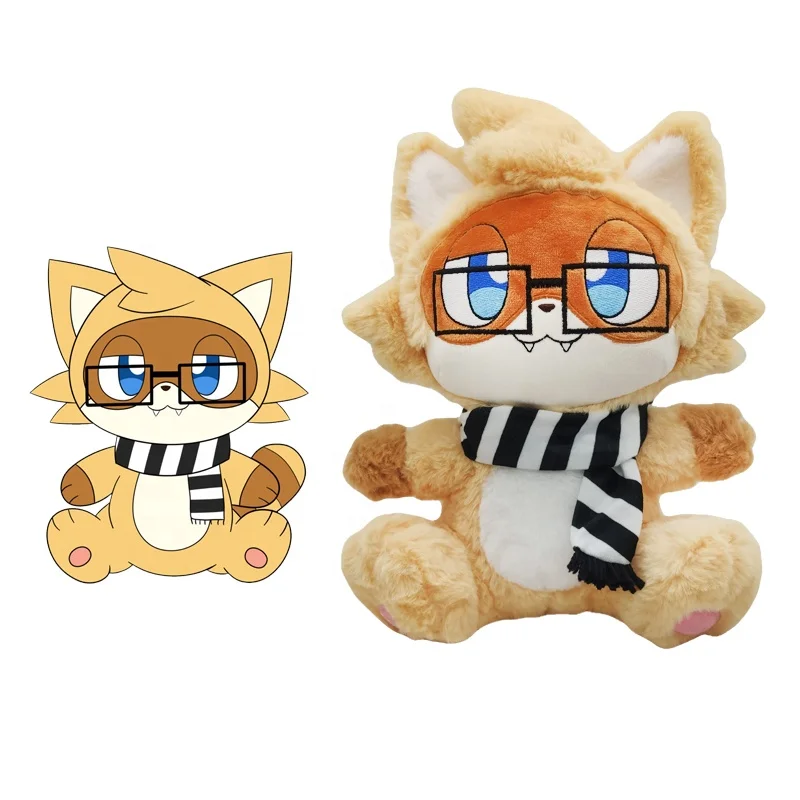
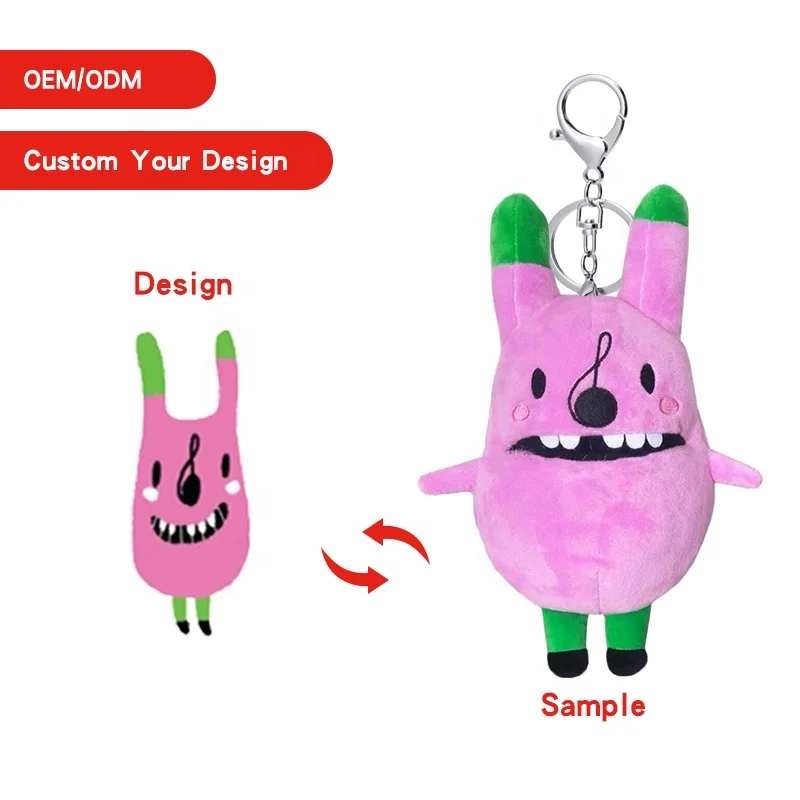
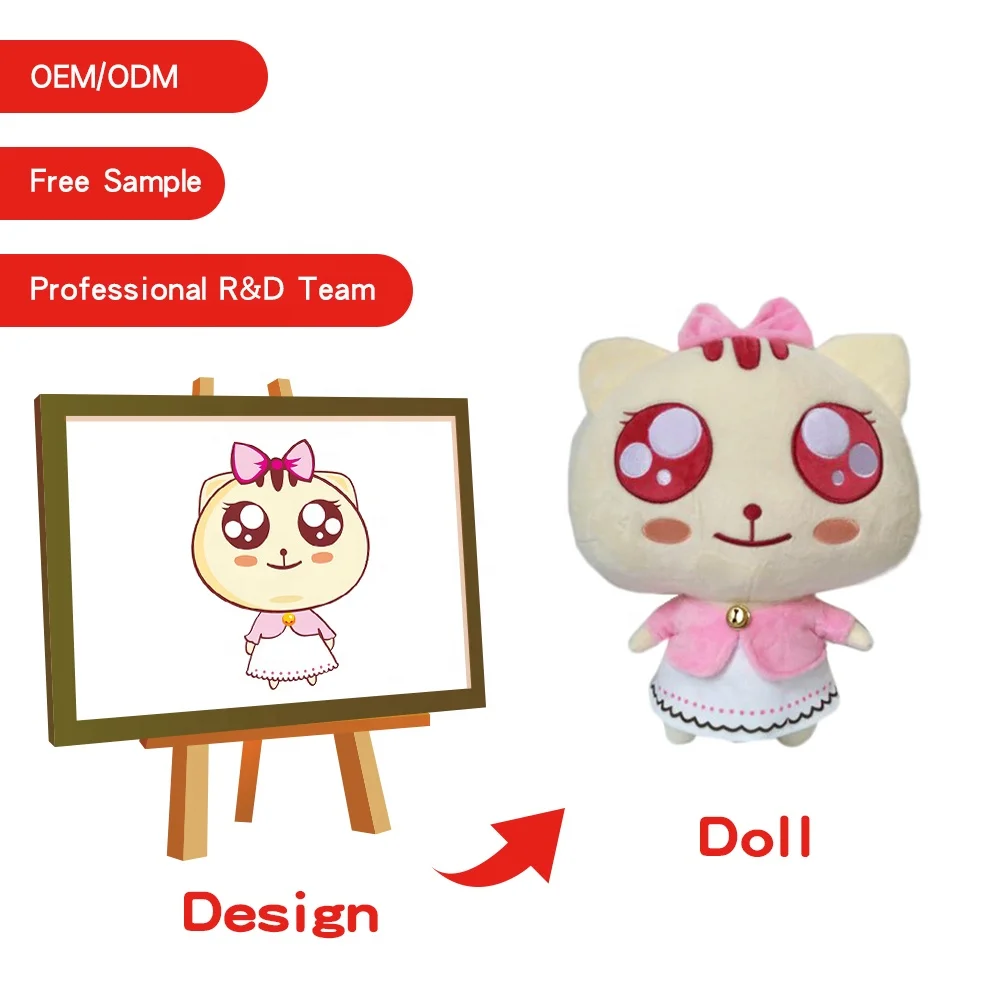
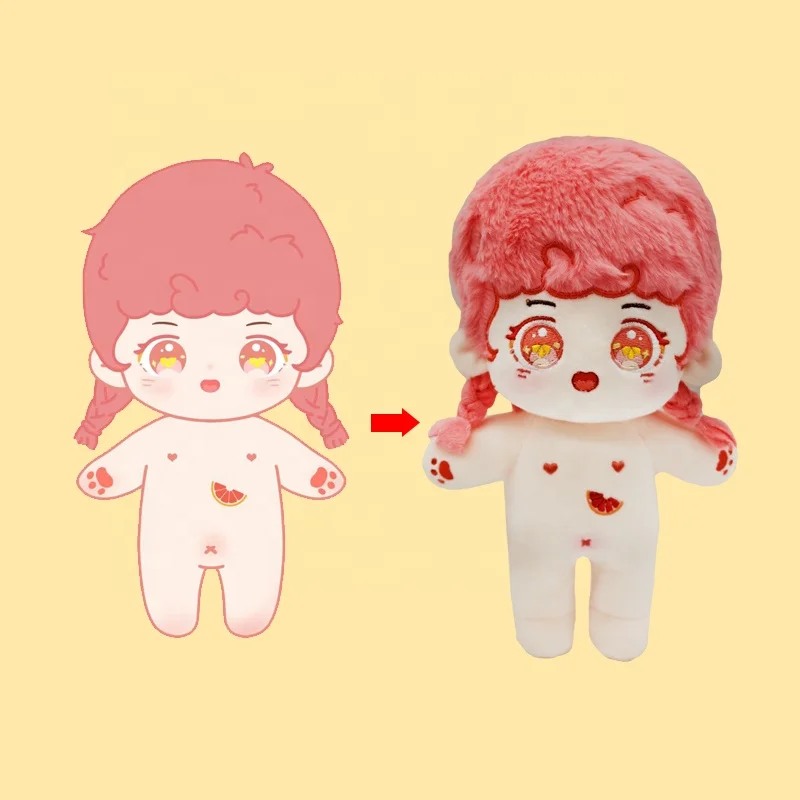
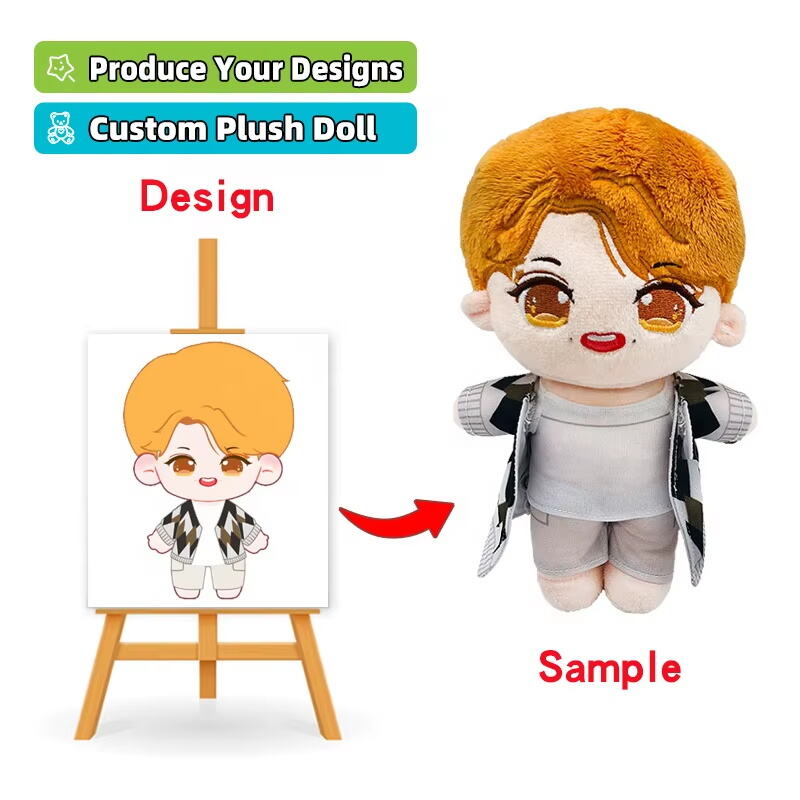
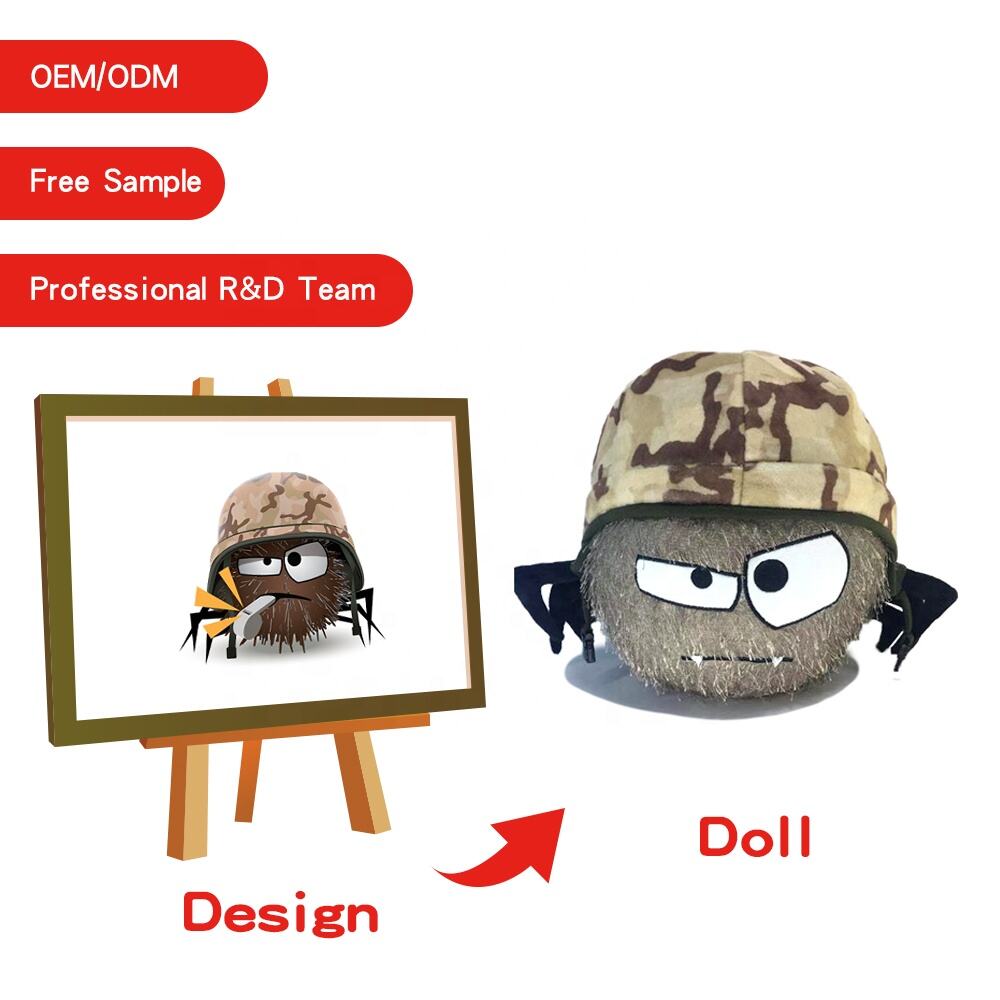
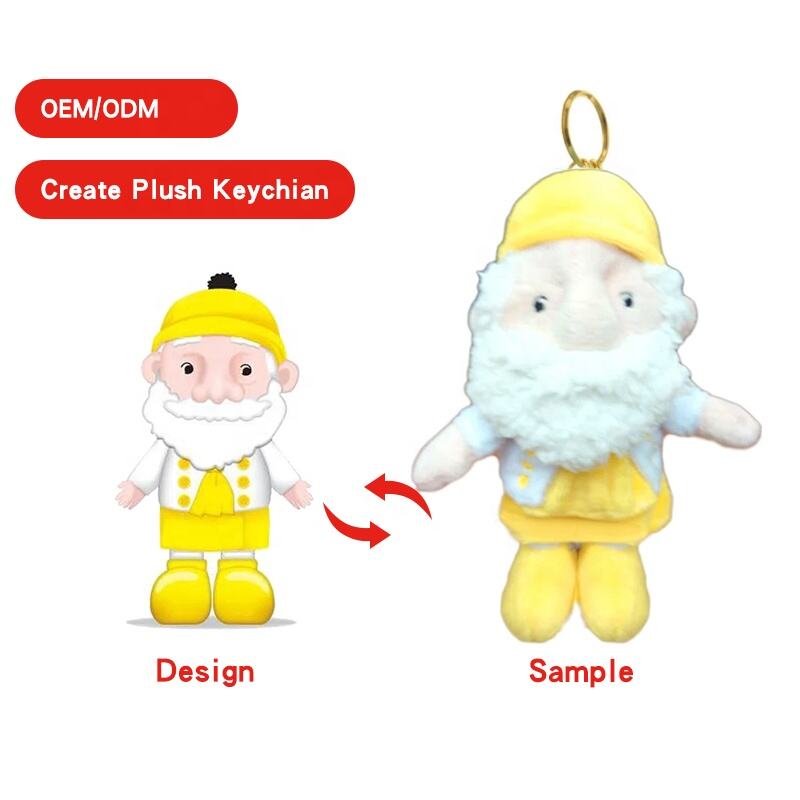
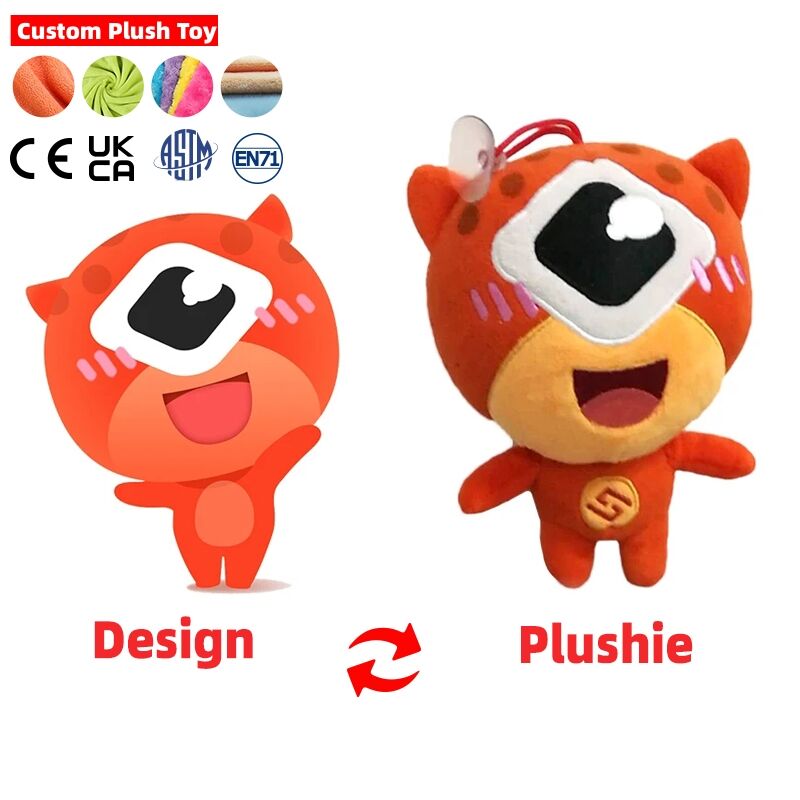
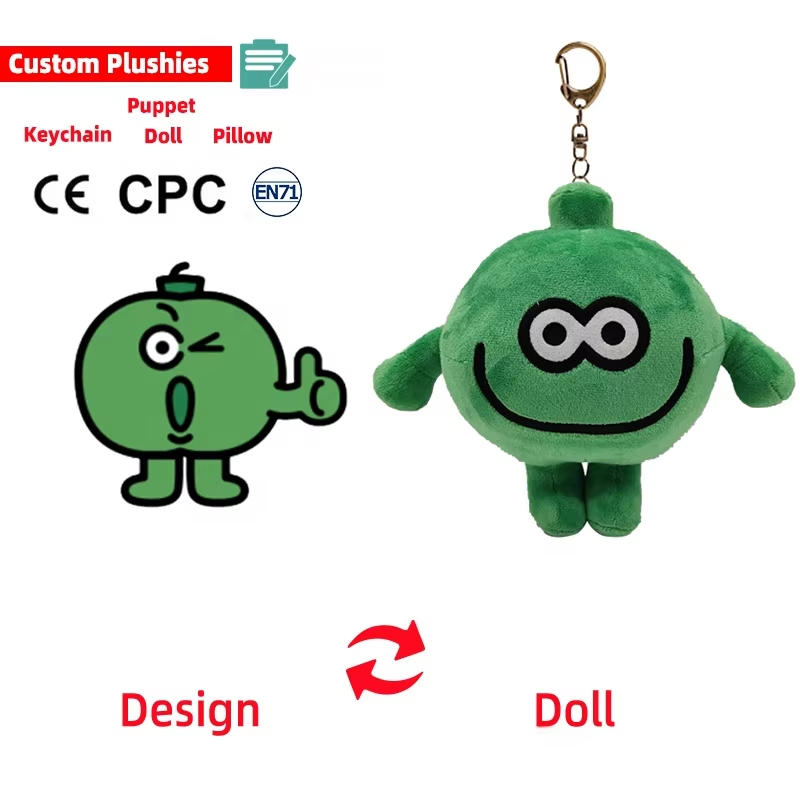
Plush doll manufacturers represent a specialized sector within the global toy and collectibles industry, focusing on the design, production, and distribution of soft-bodied figurines that appeal to consumers across all age demographics. These manufacturing enterprises combine traditional craftsmanship with modern production technologies to create high-quality stuffed toys, character collectibles, and promotional merchandise. The primary functions of plush doll manufacturers encompass conceptual design development, material sourcing, pattern creation, cutting and sewing operations, stuffing procedures, quality control testing, and final packaging processes. Contemporary plush doll manufacturers utilize advanced technological features including computer-aided design software for pattern optimization, automated cutting machinery for precision fabric preparation, programmable sewing equipment for consistent stitching quality, and specialized filling systems that ensure uniform density distribution throughout each product. Digital embroidery machines enable intricate detailing and custom branding options, while heat-pressing technology allows for durable logo application and character face creation. Quality assurance systems incorporate material testing protocols, safety compliance verification, and batch tracking mechanisms to maintain production standards. The applications for products from plush doll manufacturers span numerous markets including retail toy stores, promotional marketing campaigns, entertainment licensing partnerships, educational institutions, healthcare facilities, and direct-to-consumer e-commerce platforms. These manufacturers serve diverse client needs ranging from small boutique orders to large-scale commercial contracts, providing custom character development, licensed property reproduction, and private label manufacturing services. Modern plush doll manufacturers increasingly focus on sustainable production practices, incorporating eco-friendly materials, reducing waste through efficient cutting patterns, and implementing energy-efficient manufacturing processes. The integration of digital technologies enables real-time production monitoring, inventory management, and quality tracking systems that enhance operational efficiency and customer satisfaction levels throughout the manufacturing pipeline.

New Product Releases

Plush doll manufacturers offer significant competitive advantages that directly benefit businesses and individual customers seeking high-quality soft toy products. Cost efficiency represents a primary advantage, as established manufacturers leverage economies of scale to reduce per-unit production costs while maintaining superior quality standards. These savings translate into competitive pricing for customers without compromising material quality or craftsmanship excellence. Customization capabilities provide another substantial benefit, allowing clients to specify unique designs, colors, sizes, and branding elements that align with specific marketing objectives or personal preferences. Professional plush doll manufacturers maintain extensive libraries of patterns and templates that accelerate custom product development while reducing initial design costs. Quality assurance protocols ensure consistent product reliability, with manufacturers implementing rigorous testing procedures that verify safety standards, durability benchmarks, and aesthetic consistency across production runs. This systematic approach minimizes defect rates and reduces customer return frequencies, protecting brand reputation and customer satisfaction levels. Production scalability enables manufacturers to accommodate orders ranging from small prototype quantities to large commercial volumes, providing flexibility for businesses at various growth stages. Advanced scheduling systems allow for predictable delivery timelines, supporting inventory planning and marketing campaign coordination requirements. Technical expertise within manufacturing teams ensures optimal material selection, construction techniques, and finishing processes that maximize product longevity and consumer appeal. Many plush doll manufacturers maintain strategic partnerships with fabric suppliers, accessory providers, and logistics companies that streamline the entire production pipeline from raw materials to final delivery. Compliance management represents another crucial advantage, as established manufacturers maintain current certifications for toy safety regulations, environmental standards, and international trade requirements. This expertise protects customers from regulatory complications and ensures market access across multiple geographic regions. Innovation capabilities enable manufacturers to incorporate emerging trends, new materials, and technological enhancements that keep product offerings current with market demands. Comprehensive customer support services including design consultation, prototype development, and post-production assistance create added value that extends beyond the manufacturing transaction itself.

Tips And Tricks

How can I choose a high-quality plush doll?

10

Sep

How can I choose a high-quality plush doll?

Essential Elements of Premium Stuffed Companions Selecting the perfect plush doll involves more than just picking the cutest face on the shelf. These cherished companions hold a special place in both children's toy boxes and adult collectors' display...
View More
How to Ensure the Perfect Realization of AI Plush Toy Design Drafts

05

Sep

How to Ensure the Perfect Realization of AI Plush Toy Design Drafts

With the rapid development of AI technology, more and more creators are using AI-generated designs for the mass production of plush toys. However, when these designs are transformed into physical samples, there often exists a gap between the actual p...
View More
Plush Card Holders: The Next Big Thing in Functional Fashion?

10

Oct

Plush Card Holders: The Next Big Thing in Functional Fashion?

What Exactly Is a Plush Card Holder? A plush card holder is more than just a card carrier – it’s a stylish, functional accessory designed to bring joy and practicality to your everyday life. Made from soft materials like velour, plush, or...
View More
Top Brands Making Adorable Mini Plush Toys

27

Nov

Top Brands Making Adorable Mini Plush Toys

The world of mini plush toys has experienced remarkable growth in recent years, captivating consumers of all ages with their irresistible charm and compact design. These delightful collectibles have transformed from simple children's toys into sophis...
View More

Get a Free Quote

Our representative will contact you soon.
Email
Name
Company Name
Message
0/1000
Attachment
Please upload at least an attachment
Up to 3 files,more 30mb,suppor jpg、jpeg、png、pdf、doc、docx、xls、xlsx、csv、txt

plush doll manufacturers

Advanced Manufacturing Technology Integration

Advanced Manufacturing Technology Integration

Modern plush doll manufacturers distinguish themselves through sophisticated technology integration that revolutionizes traditional soft toy production methodologies. Computer-aided design systems enable precise pattern development and modification capabilities that significantly reduce prototype development timeframes while ensuring dimensional accuracy across all product variations. These digital design platforms allow manufacturers to create detailed three-dimensional models before physical production begins, identifying potential construction challenges and optimizing material utilization rates. Automated cutting machinery equipped with laser precision technology ensures consistent fabric pieces that eliminate human error variables and minimize material waste through optimized nesting algorithms. Programmable sewing equipment maintains uniform stitch density and tension levels throughout production runs, creating products with consistent structural integrity and professional finishing quality. Digital embroidery systems provide intricate detailing capabilities that were previously impossible through manual processes, enabling complex character features, brand logos, and decorative elements with photographic precision. Quality monitoring sensors integrated throughout production lines continuously assess dimensional tolerances, filling density, and construction quality parameters, automatically flagging products that fall outside specified parameters for immediate correction. Advanced inventory management systems track raw materials, work-in-progress items, and finished goods through radio-frequency identification technology, providing real-time visibility into production status and inventory levels. Climate-controlled manufacturing environments maintain optimal temperature and humidity conditions that preserve material properties and ensure consistent production quality regardless of external weather conditions. Automated packaging systems reduce handling damage risks while maintaining hygiene standards essential for consumer products. These technological advantages enable plush doll manufacturers to deliver superior products with shorter lead times, reduced costs, and enhanced customization options that traditional manual production methods cannot match effectively.
Comprehensive Quality Assurance Systems

Comprehensive Quality Assurance Systems

Leading plush doll manufacturers implement comprehensive quality assurance frameworks that guarantee product safety, durability, and aesthetic excellence through systematic testing protocols and continuous improvement processes. Multi-stage inspection procedures begin with incoming material verification, where fabric quality, filling materials, and accessory components undergo rigorous testing for compliance with international safety standards including CPSIA, EN71, and ASTM F963 regulations. Physical testing laboratories within manufacturing facilities conduct tensile strength evaluations, seam integrity assessments, and small parts safety verification to ensure products withstand normal use conditions without presenting safety hazards. Chemical testing protocols verify that all materials meet strict requirements for heavy metals, formaldehyde levels, and flame retardancy standards essential for consumer safety. Batch tracking systems maintain detailed records of material sources, production dates, and quality test results, enabling rapid identification and isolation of any quality issues that may emerge. Statistical process control methodologies monitor production variations and identify trends that could indicate equipment maintenance needs or process optimization opportunities. Customer feedback integration systems capture post-delivery quality assessments and incorporate improvement suggestions into future production planning cycles. Third-party certification partnerships with internationally recognized testing organizations provide independent verification of quality standards and regulatory compliance, building customer confidence and market credibility. Continuous improvement programs regularly evaluate production processes, material specifications, and quality standards to identify enhancement opportunities that maintain competitive advantages. Employee training programs ensure all production team members understand quality requirements and proper implementation procedures for maintaining standards throughout manufacturing operations. Documentation systems maintain comprehensive quality records that support product liability protection and enable continuous improvement analysis. These quality assurance systems provide customers with confidence in product reliability while protecting manufacturer reputation through consistent delivery of superior products that exceed market expectations.
Sustainable Manufacturing Practices

Sustainable Manufacturing Practices

Progressive plush doll manufacturers prioritize environmental responsibility through comprehensive sustainable manufacturing practices that benefit both customers and the global community while maintaining product quality and cost competitiveness. Eco-friendly material sourcing initiatives focus on organic cotton fabrics, recycled polyester filling materials, and biodegradable packaging components that reduce environmental impact throughout product lifecycles. Sustainable fiber suppliers provide certified organic materials that eliminate harmful pesticides and chemicals from production processes while supporting environmentally responsible agricultural practices. Energy-efficient manufacturing equipment reduces power consumption through advanced motor technologies, optimized heating systems, and intelligent automation that minimizes energy waste during production operations. Waste reduction programs implement precise cutting algorithms that maximize fabric utilization rates, reducing textile waste by up to forty percent compared to traditional cutting methods. Material recycling systems capture production scraps and convert them into useful filling materials or donate them to local craft organizations for educational purposes. Water conservation initiatives include closed-loop systems that recycle process water and reduce overall water consumption through efficient cleaning procedures and equipment maintenance protocols. Carbon footprint reduction strategies encompass local supplier partnerships that minimize transportation distances, renewable energy integration for facility operations, and packaging optimization that reduces shipping volumes. Life cycle assessment protocols evaluate environmental impact from raw material extraction through final product disposal, identifying opportunities for continuous improvement in sustainability performance. Certification programs with recognized environmental organizations provide third-party verification of sustainable practices and enable customers to make environmentally conscious purchasing decisions. Employee education programs promote environmental awareness and encourage sustainable practices throughout all organizational levels. Transparency reporting systems provide customers with detailed information about environmental initiatives, progress measurements, and future sustainability goals. These sustainable manufacturing practices appeal to environmentally conscious consumers while reducing operational costs and supporting long-term business viability in an increasingly eco-aware marketplace.